




A Superhighway with No Rules
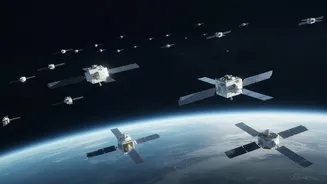
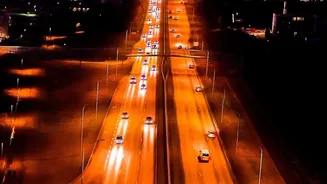
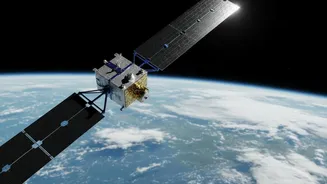
Imagine a highway with thousands of cars speeding in multiple directions, with no traffic lights, lane markings, or air traffic control. That's increasingly what Earth's orbit looks like. With the rise of satellite mega-constellations for internet and communication,
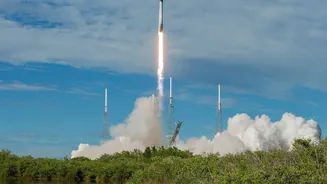
plus debris from old missions, the risk of collision is higher than ever. According to reports released during SMOPS-2026, 2025 saw a record 315 successful launches placing nearly 4,200 new satellites in orbit. This rapid increase in objects, both active and defunct, creates a hazardous environment for critical space assets that provide everything from GPS navigation and weather forecasting to national security intelligence. As of March 2026, India itself has 129 trackable pieces of space junk in orbit from past missions. Managing this celestial traffic jam has become one of the most pressing issues for the global space community.
Enter SMOPS-2026: A Global Huddle in India's Space City
The second edition of the International Conference on Spacecraft Mission Operations (SMOPS), held from April 8-10 in Bengaluru, placed this challenge front and centre. Jointly organised by the Indian Space Research Organisation (ISRO), the Astronautical Society of India (ASI), and the International Academy of Astronautics (IAA), the conference's theme was "Innovative Operations for Smart and Sustainable Space Mission Management". It brought together experts from NASA, the European Space Agency (ESA), and Japan's JAXA, alongside industry leaders, startups, and academics. One of the central themes was navigating the growing complexity of space operations due to congested orbits and the advent of large constellations. ISRO Chairman V. Narayanan emphasised the critical need for global collaboration to find innovative solutions for these evolving challenges.
India's Drive for Cleaner Skies
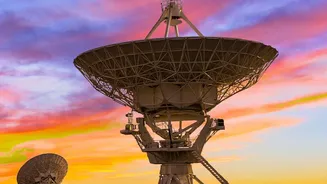
India is not just hosting the conversation; it is actively building capabilities to address the problem. ISRO's Project NETRA (Network for Space Object Tracking and Analysis) is a key initiative to monitor debris and protect the country's space assets. This early warning system, with its network of radars and optical telescopes, is designed to provide Space Situational Awareness (SSA), predicting and avoiding potential collisions. In 2022, ISRO established a dedicated centre, IS4OM (ISRO System for Safe and Sustainable Space Operations Management), to coordinate these efforts. The government has also announced a 'Debris Free Space Mission' (DFSM) initiative, which aims to ensure no new debris is created by any Indian space actor, public or private, by 2030. These efforts demonstrate a proactive approach to ensuring the long-term sustainability of space activities.
Bengaluru: The Natural Command Centre
Hosting SMOPS-2026 in Bengaluru was a natural choice. Often called India's 'Space Capital', the city is the heart of the nation's space ecosystem. It hosts the headquarters of ISRO, its key command centre ISTRAC, and has become a thriving hub for private space-tech startups. In fiscal year 2023-24, Bengaluru led the country in space-tech funding, securing a significant majority of the total investment. Further cementing its role, Karnataka recently launched India's first state-led Centre of Excellence for Space Technology in the city, aiming to foster innovation and help the state contribute significantly to India's growing space economy. This powerful concentration of talent, industry, and research makes Bengaluru the ideal location for shaping the future of global space policy and technology.