



The Art of Breath in Tai Chi
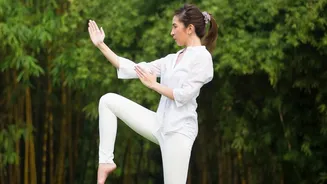
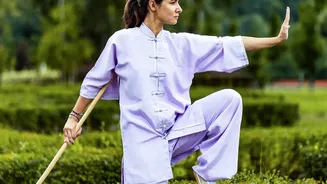
Tai Chi is often called “meditation in motion,” and for good reason. In this practice, breath is not a byproduct of exertion; it is a central pillar of the exercise itself. The technique revolves around deep, slow, and diaphragmatic breathing, where each
inhale and exhale is consciously synchronized with the gentle, flowing movements. Practitioners are taught to breathe from their abdomen, not their chest, a method that helps calm the nervous system and promote a state of relaxed focus. The goal is to make the breath quiet, even, and natural, perfectly matching the pace of the body's motion. This deliberate control turns the physical act of exercise into a profound mind-body experience, where the rhythm of respiration guides the entire session. The emphasis is on quality and awareness over quantity and intensity.
The Engine of Effort in Cycling
In cycling, breathing serves a more functional, performance-oriented role. It is the engine that supplies oxygen to hard-working muscles, and its rate is dictated almost entirely by the intensity of the ride. While you are cruising on a flat road, your breathing might be steady and calm. But as you tackle a steep hill, your respiratory rate naturally skyrockets to meet the increased oxygen demand. Unlike Tai Chi, breathing in cycling is largely an autonomic response. However, that doesn't mean it can't be trained. Elite cyclists and coaches focus on breathing efficiency to enhance performance, using techniques like nasal breathing on easier rides to improve carbon dioxide tolerance or synchronizing their breath with their pedalling cadence. But for the average rider, breathing is a consequence of the effort, not the focus of it. The primary goal is to get enough air in to keep the legs turning.
Mindful Calm vs. Aerobic Power
The fundamental difference lies in intent. Tai Chi uses breathwork to actively engage the parasympathetic nervous system, our body's “rest and digest” mode. Slow, controlled exhalations, like those in the 4-7-8 technique often used in yoga and meditation, can lower heart rate and blood pressure, reducing stress and anxiety. This makes Tai Chi an exceptionally restorative practice. Cycling, on the other hand, is a masterclass in sympathetic nervous system activation—the “fight or flight” response that primes the body for intense physical activity. Efficient breathing in cycling is about maximizing oxygen uptake (VO2 max) and managing the physiological stress of high-intensity effort. While trained cyclists can use diaphragmatic breathing for post-ride recovery to activate the parasympathetic system, the core activity is about fuelling aerobic power, not cultivating meditative calm.
Beyond the Breath: Complementary Strengths
Of course, both activities offer benefits far beyond breathwork. Tai Chi is a low-impact exercise celebrated for its ability to improve balance, flexibility, and joint health, making it accessible to people of all fitness levels, including older adults or those recovering from injury. Its slow, deliberate movements help build muscular control and body awareness. Cycling is a cardiovascular powerhouse. It excels at building lower-body strength and muscular endurance while providing a high-calorie-burning workout that strengthens the heart and lungs. It's an excellent choice for anyone looking to significantly boost their aerobic fitness and stamina. One builds internal harmony and gentle strength; the other builds raw power and endurance.
Which Path Is Right for You?
So, which should you choose? The answer depends entirely on your personal wellness goals. If your primary aim is to reduce stress, improve your mind-body connection, enhance balance, and engage in a gentle, joint-friendly activity, Tai Chi is an unparalleled choice. The focus on controlled breathing is a direct path to mental and physical tranquility. If, however, your goal is to push your cardiovascular limits, build powerful leg muscles, and experience the thrill of speed and endurance, cycling is the clear winner. You will still need to breathe, of course, but your focus will be on the road ahead and the power in your pedal stroke. The two aren't mutually exclusive; in fact, they can complement each other wonderfully. Using Tai Chi's breathing principles can aid recovery after a hard ride, while the cardiovascular fitness from cycling can support overall health.