

From Sightseeing to Story-Living
Not long ago, a successful trip was measured by the number of destinations covered and landmarks photographed. Today, that metric is changing. A growing number of Indian travellers are prioritising immersive journeys over packed itineraries. Instead of a whirlwind
tour of European capitals, they might choose a week-long culinary course in Italy or a farm stay in the French countryside. This represents a fundamental shift from being a passive tourist to an active participant. The new goal isn't just to see the world, but to engage with it, whether that means learning a local craft, attending a traditional festival, or participating in a community-led heritage walk. The question is no longer just “Where should we go?” but “What should we experience?”
The Rise of the Unconventional Destination
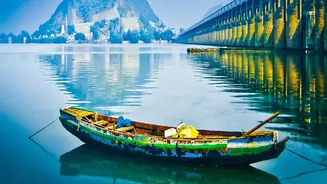
This desire for authentic experiences is also redrawing the map. While classic destinations like Switzerland and Singapore still hold appeal, there is a booming interest in places that offer unique cultural encounters. Domestically, travellers are venturing beyond the usual circuits to explore the cultural richness of Tier II and Tier III towns. Destinations like Jorhat in Assam, which serves as a gateway to Majuli island, have seen a massive spike in interest. Internationally, countries like Vietnam, with its rich food culture and scenic landscapes, and Eastern European nations like Hungary and the Czech Republic, are gaining popularity for their blend of history and affordability. This adventurous spirit shows a growing confidence among Indian travellers to look beyond the obvious and forge their own paths.
Wellness and Self-Discovery Take Centre Stage
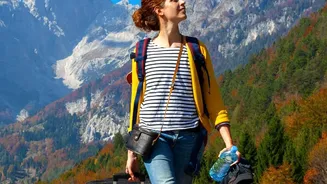
The holiday is no longer just an escape; it's an opportunity for personal growth and rejuvenation. Wellness tourism is a significant trend, with travellers seeking out yoga retreats, meditation centres, and Ayurvedic treatments in serene locations like Rishikesh and Kerala. This focus on mental and physical well-being has only intensified in recent years. Furthermore, solo travel is on the rise, with a significant number of Indians planning trips for self-discovery and to reconnect with themselves. These journeys, which balance urban exploration with nature-focused retreats, reflect a deeper need for mindfulness and personal enrichment in a fast-paced world.
What's Driving the Change?
Several factors are fuelling this evolution. Rising disposable incomes and better global connectivity are making more ambitious travel possible for a larger segment of the population. Social media has also played a democratising role, exposing people to a world of experiences beyond glossy brochures and inspiring them to seek out unique, story-worthy moments. The rise of remote work has introduced 'workations' and 'bleisure' trips, blending professional life with leisure and allowing for longer, more immersive stays. Finally, there's a generational shift at play. Younger travellers, particularly Gen Z, are reported to value experiences over possessions, and they are driving the demand for personalised, activity-based journeys that offer more than just a pretty picture.