




A Leap of Imagination
The flight may have been short, but its importance was immense. It was the world's first successful launch of a liquid-fueled rocket, an achievement by physics professor Robert H. Goddard that was as significant as the Wright brothers' first flight. At
the time, rockets were simple, solid-fuel fireworks. Goddard, inspired by science fiction, envisioned something far more sophisticated. He theorized that liquid propellants—in his first successful case, gasoline and liquid oxygen—offered the control and power needed for high-altitude flight. This was a revolutionary concept, and proving it worked, even for a moment, changed everything.
The Blueprint for Modern Rockets
Goddard's genius wasn't limited to just one idea; he held over 200 patents that essentially wrote the instruction manual for modern rocketry. He patented the concept of a multi-stage rocket in 1914, understanding that shedding weight was crucial to reaching higher altitudes. He developed gyroscopes for stabilization and vanes in the rocket’s exhaust for steering—foundational principles of guidance and control still in use. He also invented fuel pumps and engine cooling techniques that were critical to making larger, more powerful engines feasible. Virtually every rocket that launches today, from commercial satellites to deep space missions, relies on the basic architectural principles that Goddard pioneered.
From Ridicule to Recognition
Despite the revolutionary nature of his work, Goddard received little support and was often ridiculed by the press for his futuristic ideas, including the notion of a rocket reaching the moon. He was a quiet, private inventor who funded much of his early work himself, with modest grants from institutions like the Smithsonian. It wasn't until after his death in 1945 that his contributions were fully appreciated. German engineers had studied his patents to develop the V-2 missile, and after World War II, American scientists realized they were building on foundations Goddard had laid decades earlier.
The Goddard DNA in Today's Space Race
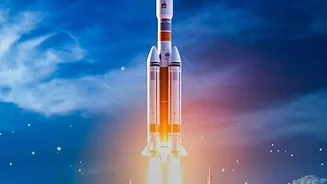
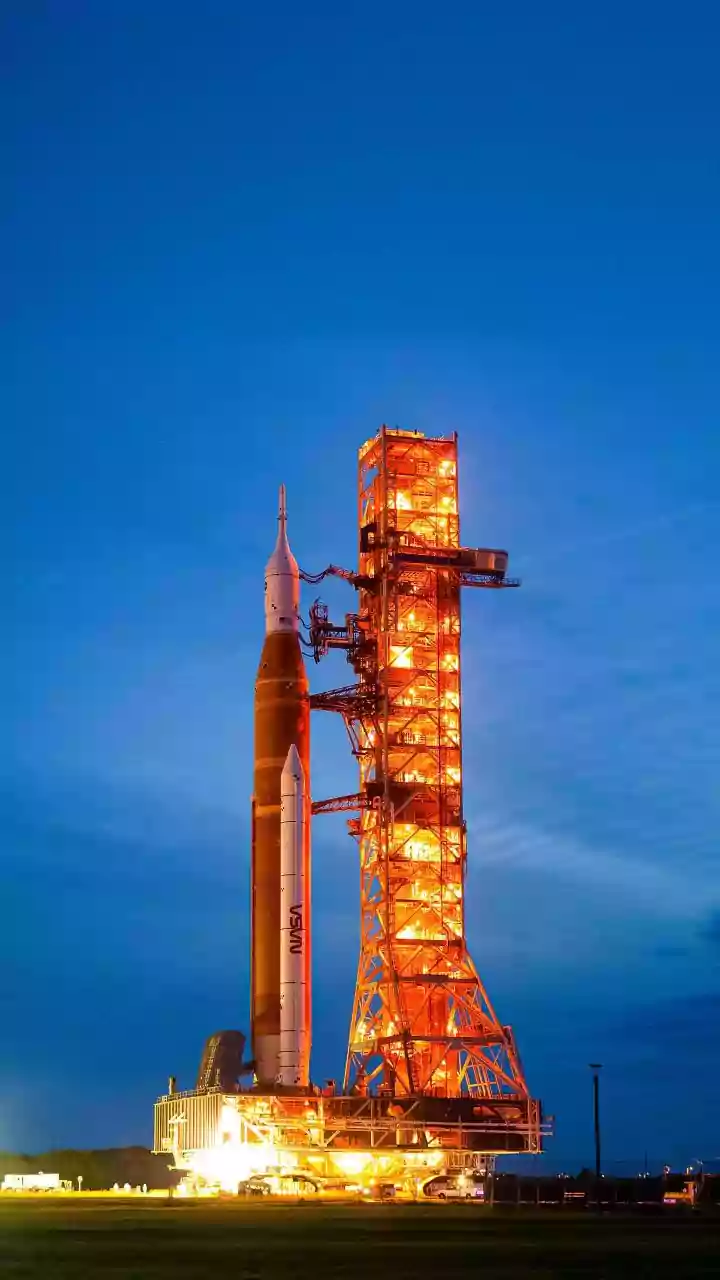
Today, the legacy of that short flight is more visible than ever. NASA’s Space Launch System (SLS), the colossal rocket designed for the Artemis program to return humans to the moon, uses liquid hydrogen and liquid oxygen as propellant. Commercial rockets from companies like SpaceX and Blue Origin rely on the same fundamental principles of liquid propulsion and gimbaled thrust (a modern evolution of Goddard's steering vanes) to deliver payloads and people to orbit. The journey to Mars, a dream that once sparked in Goddard's mind, is now a tangible goal for space agencies around the world, all made possible by the controlled power he first unleashed.