




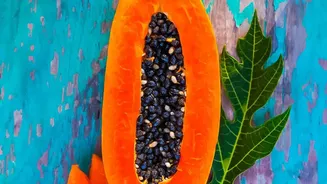
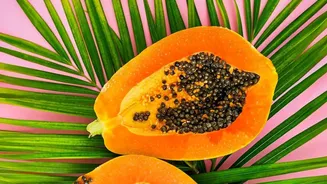

The Appeal: A Nutritional Powerhouse
Papaya's popularity isn't just about its sweet, buttery flavour. It is a treasure trove of nutrients. Rich in vitamins C and A, it's a potent immunity booster, which is especially welcome during the monsoon when infections are common. The fruit is also
packed with fibre and a unique enzyme called papain, which aids digestion, helping to prevent common seasonal issues like bloating and constipation. Furthermore, its antioxidants, including lycopene, may reduce the risk of heart disease and play a protective role in eye health. With a high water content and low calorie count, it seems like the perfect, healthy indulgence.
The Risk: Monsoon-Specific Concerns
Despite its benefits, caution surrounding papaya during the monsoon is not entirely unfounded. The primary issue isn't the fruit itself, but the environmental conditions. High humidity and ambient moisture create a perfect breeding ground for bacteria and fungi. Any fruit with high water content, like papaya, can spoil quickly and become contaminated if not handled properly. The risk is magnified by the increased prevalence of waterborne diseases during this season; contaminated water used for washing fruits or unhygienic handling can transfer pathogens onto the fruit's surface. This is why pre-cut fruits from street vendors are considered particularly risky. From an Ayurvedic perspective, papaya is also considered a 'heating' (ushna) food, and some practitioners advise moderation.
Freshness: Your First Line of Defence
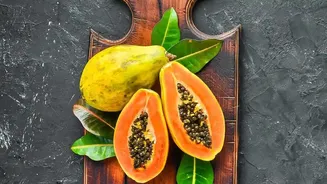
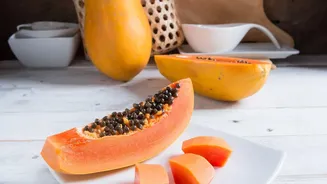
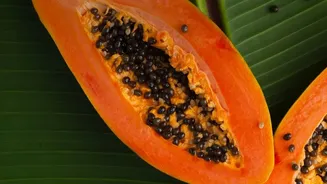
The headline gets it right: freshness is the key that unlocks papaya's benefits while mitigating its risks. A fresh, intact papaya has a natural defence against contamination. The problems begin when the fruit is bruised, overripe, or cut and left exposed for long periods. During the monsoon, it's crucial to buy whole papayas and avoid any with black spots, blemishes, or overly soft areas, as these can be signs of decay or fungal infestation. A perfectly ripe papaya for immediate consumption will have mostly yellow or golden skin and should yield slightly to gentle pressure, similar to an avocado. It should also have a subtly sweet aroma near the stem.
A Practical Guide to Choosing and Preparing
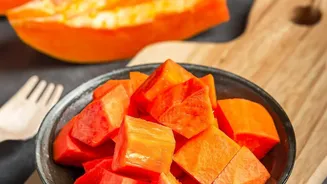
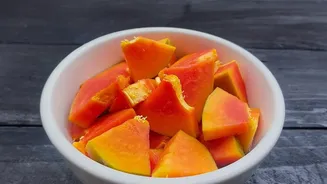
Enjoying papaya safely during the monsoon is about smart selection and preparation. First, always buy whole fruits from a reputable source. When you bring it home, wash the unopened fruit thoroughly under clean, running water. You can even scrub the peel with a soft brush to remove any lingering dirt or microbes. It's essential to wash your hands with soap and water before and after handling the fruit. Use a clean knife and cutting board, and consume the papaya immediately after cutting it. Avoid storing cut papaya, even in the refrigerator, for extended periods during this season, as bacteria can still multiply in humid conditions.
Who Should Be Extra Cautious?
While ripe papaya is safe for most people, some individuals should exercise more caution. People with a latex allergy may also be allergic to papaya and should avoid it. Because unripe or semi-ripe papaya contains enzymes that could potentially stimulate uterine contractions, pregnant women, especially in the first trimester, are often advised to avoid it or consume only fully ripe fruit in moderation. Additionally, those with kidney issues should be mindful, as papaya's high Vitamin C content, if consumed in very large amounts, could theoretically contribute to kidney stone formation in susceptible individuals.