




The Simple Science of the Puff
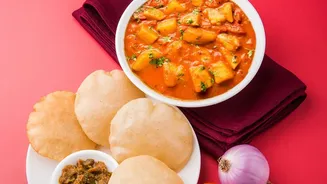
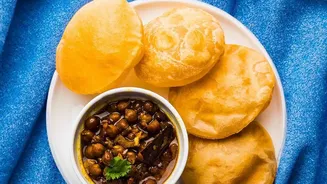
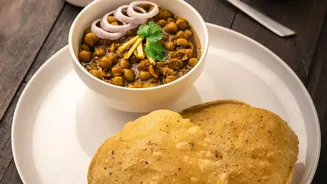
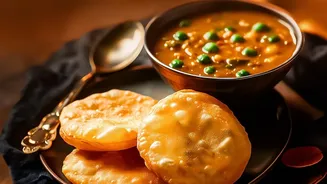
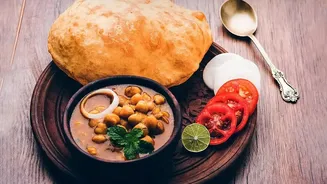
The magic of a puffed-up poori is simple physics. When the rolled-out dough hits hot oil, the moisture trapped within the dough quickly turns into steam. The outer layers of the poori cook and seal almost instantly, creating an airtight pocket. This trapped steam has
nowhere to go, so it exerts pressure from the inside, forcing the two layers of the poori apart and causing it to inflate like a balloon. Understanding this mechanism is the first step to mastering the poori, as it highlights why every stage of the process—from kneading to frying—is so important for trapping that steam effectively.
It All Begins with the Dough
The foundation of a perfect poori is a dough with the right consistency. It must be firm and stiff—noticeably tighter than a soft chapati dough. A dough that is too soft will absorb excess oil, making the poori greasy and preventing it from holding its structure long enough to puff properly. Use whole wheat flour (atta), salt, and just enough water to bring it all together. Knead it well until it is smooth and pliable, but still firm to the touch. Once kneaded, let the dough rest for about 10 to 15 minutes. This short rest allows the gluten to relax just enough to make rolling easier without making the dough too soft.
The Art of Uniform Rolling
How you roll the poori is perhaps the most critical step. The goal is a perfectly even disc. If your poori has thick and thin patches, the steam will escape through the thin spots, and it simply won't puff. Aim for a uniform thickness of about 1-2 millimetres. A common mistake is to use dry flour for dusting, like you would for a roti. This flour burns in the hot oil, leaving behind dark specks and an unpleasant taste. The better technique is to lightly grease your dough balls and rolling surface with a few drops of oil to prevent sticking. This keeps the frying oil clean and ensures a beautifully golden poori.
Perfecting the Final Fry
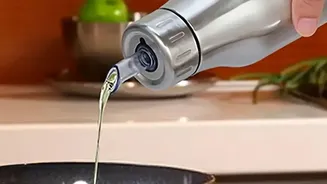
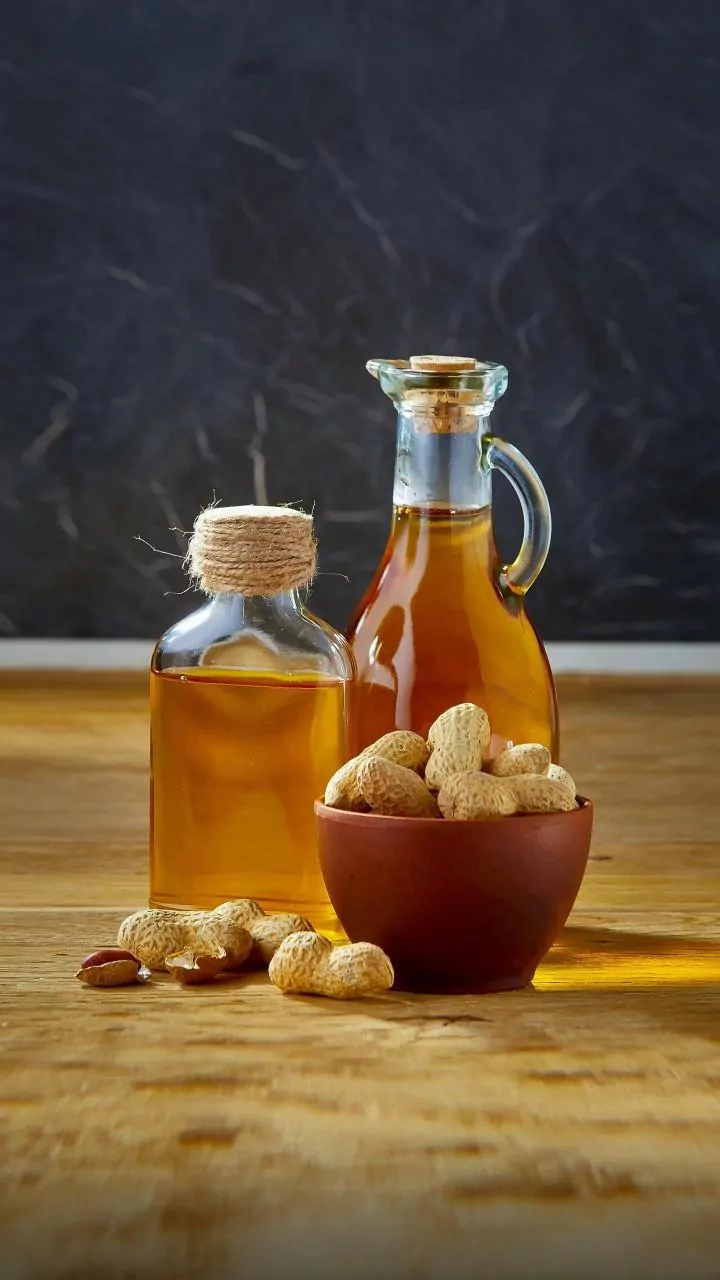
The final step is the fry, and oil temperature is everything. The oil needs to be hot, but not smoking—around 190°C to 200°C is ideal. If the oil isn't hot enough, the poori will soak up grease and become flat and dense. If it's too hot, it will burn before it has a chance to cook through. To test it, drop a tiny piece of dough into the oil; if it sizzles and rises to the surface immediately, the oil is ready. Slide the poori in and as it starts to float, gently press it down with a slotted spoon. This gentle pressure helps trap the steam and encourages the poori to puff up beautifully. Once puffed, flip it and cook for another few seconds until both sides are golden brown.
So, What If It Doesn't Puff?
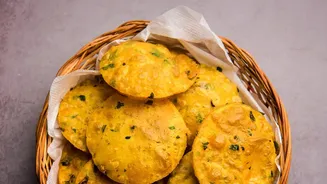
Here is the most important takeaway: a flat poori is not necessarily an uncooked poori. As long as it was fried in properly hot oil for an adequate amount of time (usually less than a minute), it is completely cooked through. The puff is a textural and aesthetic bonus, a sign that your technique was spot on. But a flat, crispier poori—sometimes affectionately called a 'papad poori'—is still delicious and perfectly edible. It simply means the steam escaped due to a small imperfection, perhaps a slightly uneven roll or a dough that was a touch too soft. Don't be discouraged. Every poori you make is practice for the next.