


A Catastrophic, Localised Event
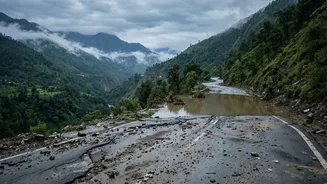
On August 26, 2026, a catastrophic flash flood, believed to have been triggered by a glacial collapse on the Nepal-Tibet border, surged down the Bhote Koshi and Trishuli river systems. The disaster caused immense damage to infrastructure and communities
in several districts, including Rasuwa, Nuwakot, and Dhading. Roads, bridges, and hydropower facilities were destroyed, with active search and rescue operations still underway. This was a severe and tragic event, but tourism officials and travel experts are emphasizing that its impact, while profound, is concentrated within specific river corridors. For prospective travelers, the key is to distinguish between the affected zones and the vast majority of the country that remains safe and accessible.
Which Areas Are Directly Affected?
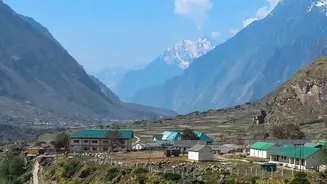
The government has declared a crisis in the most impacted areas and advises against all non-essential travel there. The primary disaster zone is along the Bhote Koshi–Trishuli River corridor, from the Nepal-China border at Rasuwagadhi down through districts like Rasuwa and Nuwakot. The overland route to the Langtang trekking region has been severed, making access impossible for now. Governments like Australia and the UK are advising citizens to reconsider travel to areas near the Trishuli River in several districts due to significant infrastructure damage and the risk of further flooding. The Nepal Tourism Board has established an information desk to provide updates on missing and rescued tourists, as hundreds of foreign nationals were initially unaccounted for in the disaster zone.
Are Major Trekking Regions Open?
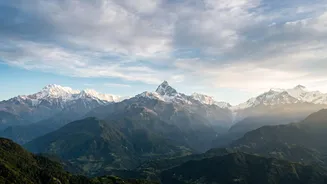
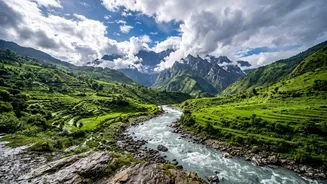
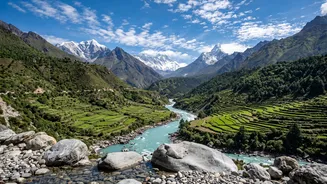
Yes, most of Nepal's premier trekking regions were not in the flood's path and remain open for the autumn season. According to the Trekking Agencies' Association of Nepal (TAAN), the popular Everest and Annapurna regions are safe and fully operational. These areas utilize different river systems and access points. For instance, flights to Lukla for the Everest Base Camp trek are operating normally. The Annapurna region, including the Annapurna Circuit and Base Camp treks, is also listed as unaffected. While the Langtang Valley itself is considered safe, the road closure means trekkers must wait or use a much longer alternative route. Responsible travel to these open areas can play a vital role in supporting the livelihoods of local communities dependent on tourism.
Is It Safe to Visit Kathmandu and Pokhara?
Kathmandu and Pokhara, the country's main tourist hubs, were not directly impacted by the flash flood. Tribhuvan International Airport in Kathmandu and all other domestic airports are operating normally. Hotels, restaurants, and heritage sites in the Kathmandu Valley are open. Likewise, overland travel between Kathmandu and Pokhara, and from Kathmandu to Chitwan National Park, is functioning as usual. While the disaster's psychological impact is felt nationwide, the day-to-day functions and safety of these major cities are unchanged for tourists. However, the monsoon season is still transitioning, and travelers should be prepared for potential weather-related disruptions anywhere in the country.
Precautions for September Travellers
With the tail end of the monsoon still active, anyone travelling to Nepal in September should prioritize safety and flexibility. First and foremost, book with a licensed, reputable local agency that has real-time, on-the-ground knowledge of trail and road conditions. Before starting any journey, confirm that both your destination and the route to get there are safe and open. Build contingency days into your itinerary to account for potential weather delays or transportation disruptions. Ensure you have comprehensive travel insurance that covers medical evacuation, and register with your country's embassy in Kathmandu. Finally, always follow the guidance of local authorities; if they advise an area is closed or dangerous, do not attempt to enter it.