






The Tyranny of the Top Ten
Every year, as the scent of shiuli flowers fills the air, the pressure mounts. Pandal-hopping, the beloved tradition of visiting elaborate temporary structures (pandals) housing the idol of Goddess Durga, can quickly feel like a competitive sport. Social
media feeds and news reports create a definitive list of award-winning, theme-based, and celebrity-frequented pujas. The fear of missing out is real. This often leads to a frantic, checklist-driven itinerary that involves crisscrossing Kolkata, spending more time in traffic or queues than actually experiencing the festival. While the artistry of these grand pandals is undeniable, a schedule packed with only the 'big names' can ironically lead to a superficial experience, turning a spiritual and cultural carnival into a mere photo opportunity.
Discovering the Soul of the 'Para' Puja
The antidote to this frenzy is the humble 'para' puja, or neighbourhood celebration. These are the smaller, community-organised pujas found in the narrow lanes and residential blocks across the city. While they may lack the colossal structures or intricate themes of their famous counterparts, they are the true heartbeats of the festival. Here, Durga is less a spectacle and more a beloved daughter returning home. The atmosphere is intimate and inclusive. You'll find neighbours gathered for evening 'adda' (chat sessions), children playing freely, and the soul-stirring rhythm of the 'dhaak' (traditional drum) echoing in a more personal way. It's in these paras that the community spirit of Puja, a key reason for its UNESCO Intangible Cultural Heritage status, truly shines.
Let Your Senses Be the Guide
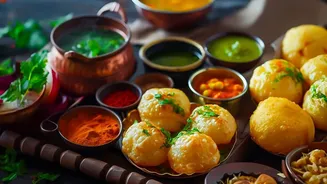
Embracing spontaneity doesn't mean having no plan; it means having a flexible one. Instead of a list of pandals, try choosing a neighbourhood. Pick North Kolkata for its 'bonedi bari' (aristocratic family) pujas steeped in centuries-old tradition, or explore the winding lanes of South Kolkata. Once there, put the map away. Follow the sound of the dhaak, the smell of frying luchis and telebhaja, or the sight of a beautifully illuminated alleyway. You might stumble upon a local musical performance, a family distributing delicious bhog, or a small idol crafted with more love than money. These unplanned detours often become the most cherished memories, offering an authentic slice of life that no guided tour can replicate. The street food, from puchkas to kathi rolls, is an essential part of this sensory exploration.
A Balanced Approach to Pandal Hopping
The argument isn't to completely shun the famous pandals. The creativity and scale of pujas like Suruchi Sangha, Ekdalia Evergreen, or College Square are a testament to the city's artistic soul and are worth seeing. The key is balance. Dedicate one evening to hitting a couple of major pujas—preferably using the Metro to avoid traffic—but reserve another day entirely for aimless wandering. Plan to visit the big attractions early in the morning or later in the night when crowds might be thinner. This hybrid approach allows you to witness the grand spectacle without letting it consume your entire festival experience. It lets you appreciate both the headline acts and the intimate acoustic sessions that give the festival its depth and character.
More Than Just an Idol
Ultimately, the spirit of Durga Puja is about connection—with family, with community, and with the city itself. It's about soaking in the unique atmosphere, the 'Pujo Pujo' feeling that descends upon Kolkata for five days. Rushing from one pandal to the next in a blur of crowds and traffic leaves little room for this connection. By slowing down and allowing for spontaneity, you give yourself the time to observe, to participate, and to feel. You can linger, listen to the stories of the people who built the pandal, and share in their joy. This is the difference between simply seeing the Puja and truly experiencing it. The most memorable itineraries are those that have space for the unexpected, for the magic that lies just around the corner.