






The age of battling crowds at tourist hotspots may be fading. A landmark survey from digital travel platform Agoda shows a massive shift in how we travel, and Indian explorers are leading the charge into the unknown.
The End of the Beaten Path
Forget the usual suspects. The next
big thing in travel is skipping the main event altogether. According to Agoda's '2027 Asia Travel Pulse' report, a significant trend is emerging: travellers are increasingly choosing hidden gems over crowded hotspots. The headline figure is striking: 55% of Indian travellers surveyed said they are likely to visit a lesser-known destination in 2027. This isn't just a minor preference; it represents the highest proportion of any country in the 11 Asian markets surveyed, putting India at the forefront of this movement. Compared to the Asia-wide average of just 36%, it's clear that Indian tourists have a stronger-than-ever desire for unique and undiscovered experiences. This marks a deliberate pivot away from traditional, often over-touristed locations towards places that offer more authentic and personal journeys.
Why Indians Are Leading the Pack
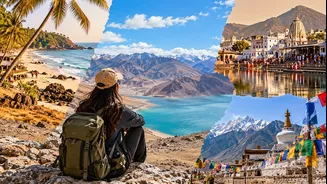
So, what's driving this adventurous spirit? The Agoda report points to several motivations that set Indian travellers apart. A key driver is the quest for outdoor adventure, with 42% of Indians citing it as a primary reason for travel—placing the nation among the highest in Asia for adventure-led trips. Another uniquely strong motivator is the desire for spiritual journeys. A remarkable 14% of Indian travellers list this as a reason for their trips, a figure that is three and a half times the Asian average of 4%. This interest is reflected in booking data, which shows massive search increases for spiritual destinations like Pushkar (up 195% during Holi), Dharamshala (up 154%), and Leh (up 143%). Gaurav Malik, Agoda's Country Director, notes that Indian travellers are becoming more 'intentional', seeking out these distinct experiences while still keeping value and convenience in mind.
From Over-Tourism to Authentic Exploration
This trend isn't happening in a vacuum. For years, popular destinations like Goa, Manali, and Jaipur have been the default choices for domestic travellers. However, a growing fatigue with overcrowding, combined with a desire for more meaningful experiences, is pushing people to explore deeper. This shift is also powered by technology. Other industry surveys show that a vast majority of Indians, around 72%, now discover new and offbeat destinations through social media platforms like Instagram. The rise of AI in travel planning, used by over half of Asian travellers, also makes it easier to create personalised itineraries for these less-travelled roads. The goal is no longer just to see a place, but to experience it—its unique landscapes, local culture, and quieter surroundings, far from the bustling tourist circuits.
What This Means for Travel in 2027
The implications of this shift are huge for the travel industry. The move towards offbeat locations signals a growing demand for sustainable and responsible tourism. It creates opportunities for emerging destinations within India and abroad to develop their infrastructure and attract a new wave of curious travellers. The survey also found that Indians are planning longer trips, with 26% intending to take holidays lasting between 8 and 12 days, well above the Asian average of 15%. This preference for longer, more immersive stays allows for deeper exploration and a greater economic benefit to local communities. As travellers become more adventurous and intentional, the industry will need to adapt, offering curated packages that combine transport, unique accommodation, and authentic local activities to meet the demands of this new era of exploration.