
The Underwater Blast That Shook the World
The eruption of Hunga Tonga-Hunga Ha'apai in January 2022 was an event unlike any other in the modern era. Located in the South Pacific, this underwater volcano produced the largest atmospheric explosion ever recorded by modern instruments. The blast
was so immense that its sonic boom was heard thousands of kilometres away in Alaska, and its atmospheric pressure wave was detected circling the entire planet multiple times. The eruption column of ash and water vapour rocketed an astonishing 58 kilometres into the sky, punching through the stratosphere and into the mesosphere, marking it as the tallest plume ever documented. Because the volcano is submerged, it superheated seawater, injecting an unprecedented amount of water vapour into the upper atmosphere, with potential long-term effects on global temperatures. The event, rated at least a VEI-5 (Volcanic Explosivity Index), triggered tsunamis that devastated parts of Tonga and reached shores as distant as Japan and Peru, causing fatalities thousands of miles away.
The Ash Cloud That Grounded Europe
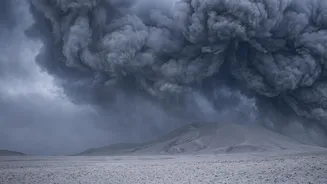
While not the largest in explosive force, the 2010 eruption of Eyjafjallajökull in Iceland demonstrated a different kind of power: the ability to bring the modern world to a standstill. With a VEI of 4, this eruption's power lay in its unfortunate timing and location. The interaction of magma with glacial ice created a plume of fine, abrasive volcanic ash. This ash cloud was then carried by the jet stream directly into some of the world's busiest airspace over Northern Europe. Fearing that the glass-like particles would damage and stall jet engines, aviation authorities initiated the largest air-traffic shutdown since World War II. Over an eight-day period, more than 100,000 flights were cancelled, stranding an estimated 10 million passengers and costing the airline industry over a billion dollars. The event served as a stark reminder of modern society's vulnerability to natural phenomena, forcing a complete re-evaluation of aviation risk management concerning volcanic ash.
The Decade's Most Destructive Eruption
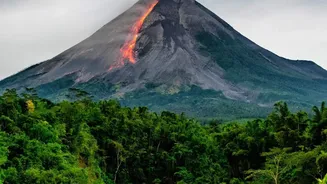
Mount Merapi in Indonesia is one of the most active and dangerous volcanoes in the world, situated in a densely populated region. Its eruption in late 2010 was the volcano's most violent in over a century and a tragic illustration of a volcano's deadly potential. Over several weeks, Merapi unleashed a series of powerful explosions, spewing hot gas and volcanic debris in devastating pyroclastic flows. These fast-moving currents of scorching material swept down the volcano's flanks, engulfing entire villages. Despite evacuation efforts, the eruption claimed the lives of more than 350 people and forced the displacement of over 350,000 residents from their homes. The sheer scale of the humanitarian impact made it one of the deadliest eruptions of the 21st century. The event highlighted the immense challenges of managing volcanic risk in areas where large populations live in the shadow of an active peak.
The Blast That Circled the Southern Globe
In June 2011, the Puyehue-Cordón Caulle volcanic complex in Chile awoke after five decades of inactivity, producing one of the century's largest eruptions with a VEI of 5. The event was so powerful it ejected an estimated one hundred million tons of ash, sand, and pumice into the atmosphere. What made this eruption particularly notable was its impact on the Southern Hemisphere. The vast ash cloud was blown across the Pacific, disrupting life and travel across multiple continents. Major cities in Argentina, Uruguay, and Brazil experienced ashfall, but the cloud's journey didn't stop there. It circled the entire globe in about two weeks, forcing widespread flight cancellations in South America, South Africa, Australia, and New Zealand. The event mirrored the disruption caused by Eyjafjallajökull a year earlier, but this time it was the Southern Hemisphere's turn to grapple with the chaos of a planet-circling ash plume.