






The Divine Nectar: Panchamrit
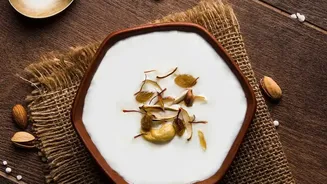
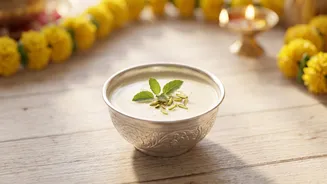
Panchamrit, whose name literally translates to "five nectars," is perhaps the most spiritually significant offering during Janmashtami. This sacred concoction is not merely a recipe but a core part of the puja itself, used in the abhishek, or the ritual bathing
of the infant Krishna idol at midnight. It is made from five core ingredients, each carrying a profound meaning. Milk represents purity and piousness. Curd, or dahi, symbolizes prosperity and fertility. Ghee stands for strength and victory. Honey embodies unity and the sweetness of speech, reflecting the cooperative effort of bees. Finally, sugar or mishri represents bliss and joy. Together, these five elements create a divine elixir believed to purify the body and soul, connecting the devotee to the divine through its sacred blend. After being offered to the deity, it is distributed as prasad, allowing everyone to share in the blessings.
A Taste of Childhood: Makhan Mishri
No Janmashtami offering is more personally connected to Lord Krishna than Makhan Mishri. The stories of his childhood are filled with his playful love for butter, earning him the affectionate title of "Makhan Chor" or the butter thief. This simple, no-cook preparation of fresh, unsalted white butter mixed with the crunchy sweetness of rock sugar (mishri) is a direct homage to Krishna's playful and innocent nature. Preparing it is an act of love, often made at home by churning cream to get the freshest butter, just as Mother Yashoda would have done. Unlike store-bought butter, this homemade version is free from salt and additives, representing a pure, sattvic offering. By presenting this dish, devotees connect with the endearing, human side of the deity, celebrating the simple joys that he cherished. It’s a tribute not just to a god, but to a beloved child.
Nourishment for Devotees: Dhania Panjiri
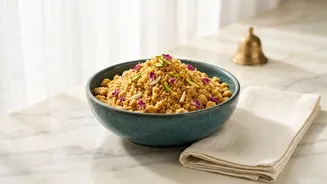
While Panchamrit is for ritual and Makhan Mishri is for love, Dhania Panjiri serves a practical and symbolic purpose for the devotees themselves. On Janmashtami, many people observe a fast, often avoiding all grains until midnight. Regular panjiri is made with wheat flour, but the Janmashtami version cleverly substitutes it with roasted coriander (dhania) powder. This makes the prasad falahari, or suitable for those fasting, without sacrificing the familiar, crumbly texture. Coriander is also known for its digestive properties and cooling effect on the body, which is particularly beneficial after a day of fasting. The roasted coriander powder is mixed with ghee, powdered sugar, and an assortment of dry fruits and nuts. This nutritious sweet is offered to Krishna after his birth at midnight and then distributed as the prasad used to break the fast, providing nourishment and warmth. It symbolizes the community's well-being and the sustenance provided by divine grace.