


The Crisp, Earthy Crunch of Raw Beetroot
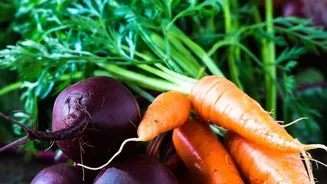
When you grate a beetroot raw, you're embracing its most natural state. The flavour is distinctly earthy with a subtle, crisp sweetness. This preparation method preserves its firm, crunchy texture, making it a fantastic addition to salads, slaws, and
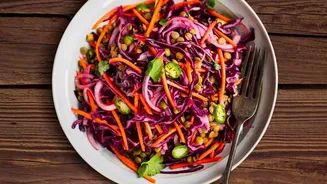
sandwiches where it can provide a vibrant splash of colour and a satisfying bite. Preparing raw beetroot is incredibly fast; simply peel the root, grate it, and it's ready to use. Many people who are not fond of cooked beetroot's softer texture find the crispness of raw grated beet to be a pleasant surprise. It's perfect for when you need a quick, no-cook ingredient that adds freshness and crunch. Popular uses include topping a wrap with hummus, adding it to a grain bowl, or mixing it into a vibrant slaw with carrots and a citrusy dressing.
Roasting: Sweet, Tender, and Deeply Flavoured
Roasting completely transforms the beetroot. The high, dry heat of the oven works like magic, caramelizing the natural sugars within the vegetable. This process mellows its earthy flavour and intensifies its sweetness, resulting in a tender, melt-in-your-mouth texture that is rich and complex. While it takes more time—typically 40 to 60 minutes in the oven—the process is mostly hands-off. Simply wrap the beets in foil with a bit of olive oil and let them roast until fork-tender. Once cooled, the skins slide off easily. Roasted beets are brilliant as a warm side dish, perhaps drizzled with balsamic vinegar, or as a substantial ingredient in heartier salads with goat cheese and walnuts. They can also be pureed into vibrant dips like hummus or added to soups for depth and colour.
A Nutritional Showdown: Raw vs. Roasted
From a nutritional standpoint, both raw and cooked beets offer significant benefits, but there are key differences. Raw beets retain higher levels of certain heat-sensitive nutrients like vitamin C and folate. Cooking, especially boiling, can cause some of these water-soluble vitamins to leach out. However, roasting has its own advantages. The cooking process breaks down the tough cell walls, which can make some nutrients easier for the body to absorb. For individuals sensitive to oxalates, which can contribute to kidney stones, cooking helps reduce these compounds, making the beets easier on the system. While raw beets deliver more dietary nitrate, which helps improve blood flow, cooked beets are still an excellent source of minerals like potassium and manganese. Ultimately, both forms are incredibly healthy, and the best choice may depend on your specific health goals.
Your Guide to Choosing the Right Method
Deciding between raw and roasted beetroot comes down to what you want to achieve in your dish. Choose grated raw beetroot when: - You're short on time and need a quick, healthy ingredient. - You want to add a crunchy texture and fresh, earthy flavour to salads, wraps, or slaws. - You desire the most vibrant, jewel-toned colour as a garnish or main component. Opt for roasted beetroot when: - You have more time and want a comforting, deeply flavourful vegetable. - You prefer a sweet, tender texture over a crunchy one. - You're making a warm side dish, a hearty salad, a creamy soup, or a flavourful dip like beet hummus. - You want to mellow the beet's characteristic earthy taste, which some find too strong when raw.