





The Spiritual Essence of Sawan
Sawan, or Shravan, is a sacred month in the Hindu calendar dedicated to Lord Shiva. For millions of devotees, it is a time of heightened spiritual activity, marked by prayers, penance, and fasting, especially on Mondays (Somwar). The core principle of Sawan fasting is to adopt
a Sattvic diet—a regimen based on foods that are considered pure, light, and calming to the mind and body. This diet is intended to support a state of mental clarity and self-control, which is central to the month's spiritual observances. Ingredients like onion, garlic, regular salt, and alcohol are avoided because they are classified as Rajasic or Tamasic, believed to stimulate restlessness or lethargy.
Ayurveda and the Monsoon Connection
The dietary rules of Sawan are not just rooted in spiritual philosophy but are also deeply intertwined with the principles of Ayurveda, India’s ancient system of medicine. Sawan coincides with the peak of the monsoon season, or Varsha Ritu. According to Ayurveda, the digestive fire, known as 'Agni,' naturally becomes weaker during this time due to high humidity and a damp environment. This sluggish digestion makes the body more susceptible to issues like bloating, indigestion, and acidity. The traditional Sawan diet, therefore, acts as a seasonal guide, favouring foods that are easy to digest and help balance the body's doshas, particularly Vata and Pitta, which are prone to aggravation during the rains.
The Case Against Fermented Foods
This brings us to fermented foods. Items like dosa, idli, dhokla, and even curd (dahi) are staples in many Indian diets, celebrated for their probiotic benefits. However, during Sawan, they are often limited for two key reasons. Firstly, from an Ayurvedic perspective, many fermented foods are considered to be heavy and can increase Pitta (heat) or Kapha (congestion) in the body. With a weakened digestive fire, consuming these foods can lead to discomfort, bloating, or acidity. Secondly, there's a practical food safety concern. The warm and humid monsoon climate creates the perfect breeding ground for bacteria and mold. This accelerates the fermentation process, increasing the risk of over-fermentation or contamination with harmful microbes if not prepared and stored with extreme care. Before modern refrigeration, avoiding these foods was a practical way to prevent foodborne illnesses.
A Modern Nutritional Viewpoint
While traditional wisdom advises caution, modern nutrition highlights the immense benefits of fermented foods. They are excellent sources of probiotics, the beneficial bacteria that support a healthy gut microbiome, which is crucial for both digestion and overall immunity. The key takeaway is not that fermented foods are inherently bad during monsoon, but that they require careful handling. If you choose to include them, it is best to prepare them fresh at home where you can control the hygiene. For example, consuming freshly prepared buttermilk (chaas) during the day is often considered safer than having heavy, overnight-set curd. Experts suggest that people with weakened immunity, pregnant women, and the elderly should be particularly cautious and stick to freshly made fermented items.
What to Eat Instead: Sawan-Friendly Choices
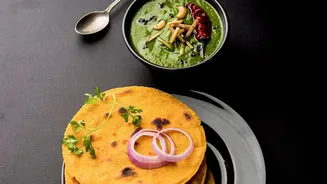
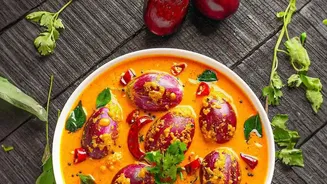
For those observing the fast, there is a wide array of delicious and nourishing Sawan-friendly foods. The emphasis is on light, easily digestible options. Vrat-approved flours like buckwheat (kuttu), water chestnut (singhara), and amaranth (rajgira) are popular choices for making rotis and puris. Sabudana (tapioca pearls) is another versatile ingredient used in khichdi and kheer. For vegetables, gourds like lauki, potatoes, and pumpkins are preferred, while leafy greens are often avoided due to the higher risk of contamination from pests during the monsoon. Fruits, milk, paneer, and nuts are also widely consumed, providing sustained energy throughout the day. The key is to eat mindfully, opting for steamed, boiled, or lightly sautéed preparations over heavy, fried meals.