

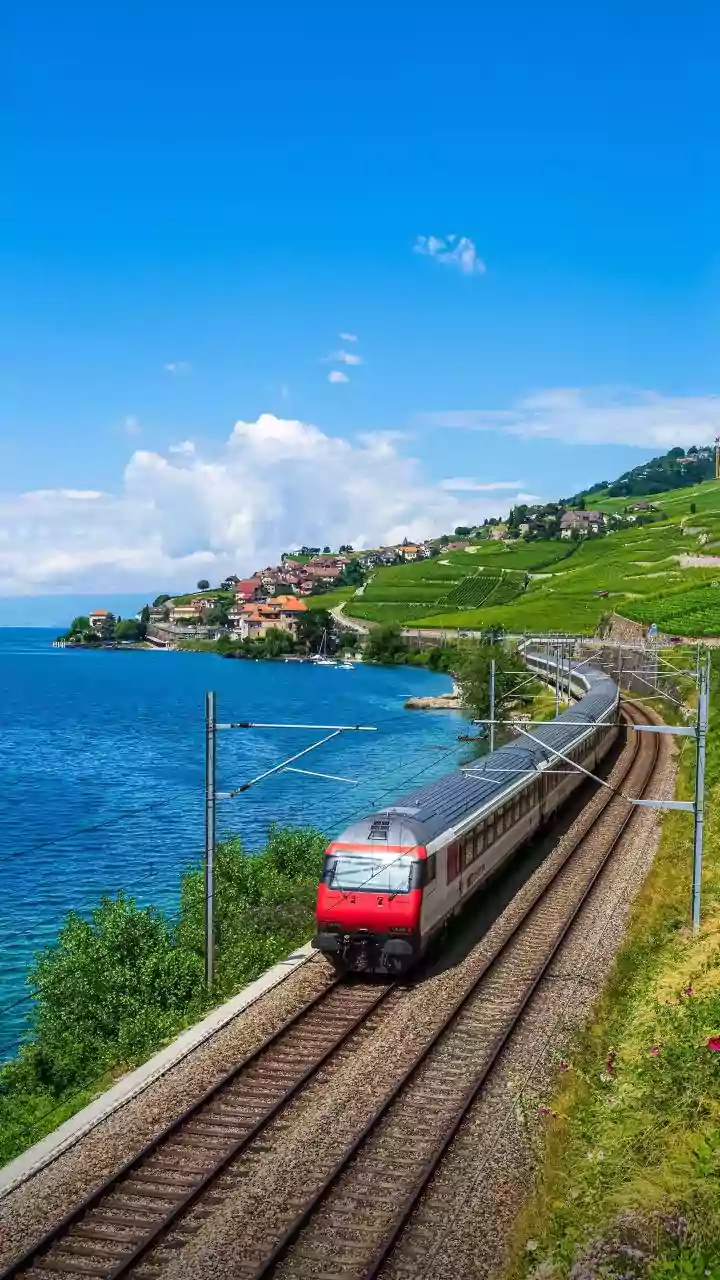
Meet the 'Sprite' Tejas Express
For the first time in Indian history, a passenger train will be officially co-branded with a commercial product. From August 19 to November 11, 2026, the Lucknow-Delhi-Lucknow Tejas Express will be known as the 'Sprite' Tejas Express. This pioneering
deal, made between the Indian Railway Catering and Tourism Corporation (IRCTC) and the beverage brand, goes beyond simple advertising. Station announcements at originating, en-route, and destination stations will refer to the train by its temporary branded name. While companies have long used train exteriors for vinyl wraps and advertisements, this is the first instance where the very identity and name of the service are being shared with a corporate partner, marking a significant new step in commercial partnerships for Indian Railways.
The Quest for Non-Fare Revenue
This branding deal is not a random experiment; it's a calculated move in Indian Railways' broader strategy to boost its income from non-fare sources. For years, the national transporter has been exploring ways to monetize its vast assets—from stations to rolling stock—to reduce its heavy reliance on ticket and freight charges. Policies have been formulated to encourage advertising, including the Rail Display Network (RDN) for digital screens and the Out-of-Home Advertising (OOHA) policy for station premises. In the five years leading up to December 2025, these efforts generated over Rs 1,313 crore in revenue. The Tejas deal represents the next frontier in this push: turning the train itself into a premium, moving billboard that a brand will pay to be associated with. By awarding these rights, IRCTC is tapping into a new, potentially lucrative revenue stream that could be replicated across its network.
Is This a New Idea?
The concept of branding trains is not entirely new to Indian Railways. The South Western Railway proposed a 'Brand Train' scheme as far back as 2008, which involved naming trains after brands and selling comprehensive advertising packages. However, the initiative faced hurdles, particularly concerning the sensitive issue of renaming trains that held cultural or historical significance, such as those named after states or important figures. The Tejas Express, however, presents a different case. Operated by IRCTC rather than directly by Indian Railways, it is already perceived as a modern, premium, and distinct service, making it a more suitable candidate for such a corporate partnership. While it's often called a 'private train,' IRCTC simply pays haulage charges to Indian Railways to use its tracks and infrastructure. This unique operational model provides the flexibility to pilot innovative commercial strategies like the Sprite deal.
What Does It Mean for Passengers?
For the daily passenger, the immediate changes will be cosmetic. The train will feature exterior branding, and its name will be announced differently. The core service of the Tejas Express—a fully air-conditioned, high-speed train with on-board catering and infotainment—will remain unchanged. However, the long-term implications are what's drawing attention. Proponents argue that a successful non-fare revenue model could help subsidize operations and potentially delay future fare hikes, all while funding service improvements. The attention-grabbing nature of a branded train could also highlight the premium services on offer. On the other hand, there's an ongoing debate about the increasing commercialization of public spaces. Critics may question whether lending the name of a national asset to a commercial entity, even temporarily, cheapens its identity. The success or failure of this three-month experiment will likely determine how far and how fast Indian Railways proceeds with similar branding ventures on other premium services.