




Shinjuku Gyoen, Tokyo
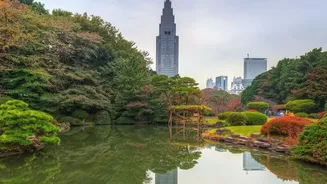
In the heart of Tokyo's most bustling district, Shinjuku Gyoen National Garden is a sprawling 144-acre sanctuary. A short walk from the world's busiest train station, the noise of the city melts away as you step inside. The park is divided into three
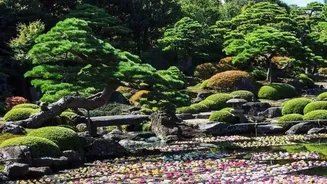
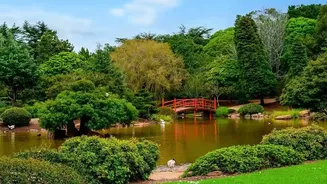
distinct styles: a traditional Japanese Garden with teahouses and koi ponds, a formal French garden with symmetrical rose beds, and an English landscape garden with wide-open lawns. This variety ensures that you can always find a quiet corner, even during the popular cherry blossom and autumn foliage seasons. The Japanese garden, in particular, offers a profound sense of peace with its carefully placed stones, arched bridges, and serene water features. An admission fee is required, and alcohol is prohibited, which helps maintain the park's calm and family-friendly atmosphere.
Kenrokuen Garden, Kanazawa
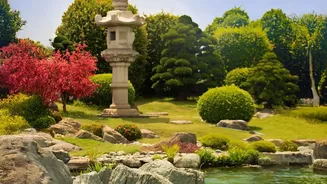
Often hailed as one of Japan's three most beautiful landscape gardens, Kenrokuen in Kanazawa is a masterpiece of horticultural art. The name itself means "Garden of the Six Sublimities," referring to the six essential attributes of a perfect garden: spaciousness, seclusion, artifice, antiquity, water sources, and magnificent views. Constructed over two centuries by the ruling Maeda clan, the garden was opened to the public in 1871. Its features include the iconic Kotojitoro Lantern, which stands on two legs by Kasumigaike Pond, ancient pine trees, and charming teahouses. For an especially tranquil experience, take advantage of the free early morning admission, when you can wander the paths as mist rises from the ponds, often with the garden almost to yourself. It provides a powerful contrast to the tour groups that arrive later in the day.
The Gardens of Kyoto
Kyoto, a city of temples and tradition, is filled with countless gardens, each offering a different flavour of tranquility. Instead of one single park, the city invites you to explore numerous temple gardens. Ryoan-ji Temple is world-famous for its mysterious Zen rock garden, where 15 stones are arranged in a sea of white sand, encouraging quiet contemplation. At Nanzen-ji Temple, you can find several gardens, including the Hojo Garden, another classic dry rock garden, and even enjoy matcha while overlooking a small waterfall. For a different experience, Tenryu-ji Temple in Arashiyama, a World Heritage site, features the Sogenchi Garden, which has survived fires over 700 years and was Japan's first designated Site of Special Historic and Scenic Importance. These temple gardens often require a small entrance fee but reward visitors with profound peace.
Arashiyama Bamboo Grove, Kyoto
While the main path of the Arashiyama Bamboo Grove can become incredibly crowded, it remains a must-see, and tranquility is achievable with the right strategy. The key is to go early—very early. Arriving before 8:30 AM allows you to experience the otherworldly atmosphere as the morning light filters through the towering green stalks without the throngs of tourists. The path is not long, but the feeling of being enveloped by the dense bamboo is a unique and meditative experience. For a guaranteed peaceful moment, consider visiting the gardens of nearby temples that have their own, quieter bamboo groves, such as Okochi Sanso Garden or Adashino Nenbutsu-ji Temple, which offer a similar atmosphere with a fraction of the visitors.
Ueno Park's Quieter Corners, Tokyo
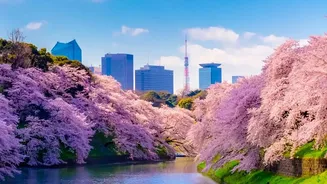
Ueno Park is a massive cultural hub in Tokyo, home to major museums, a zoo, and popular shrines. While the main thoroughfares can be busy, the park has several peaceful escapes. The Shinobazu Pond, divided into sections for lotus plants and boating, offers serene walking paths. It's especially beautiful in the summer when the lotus flowers are in full bloom. Tucked away within the park are smaller, less-visited temples like Kiyomizu Kannon Temple, which provides a quiet spot to reflect. While the Tokyo National Museum at the park's edge can be busy, the museum grounds themselves can offer a surprisingly calm space away from the main park crowds.