
The Classic: Turmeric and Gram Flour
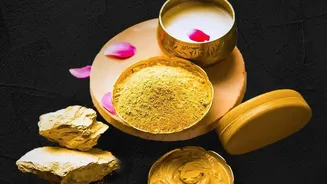
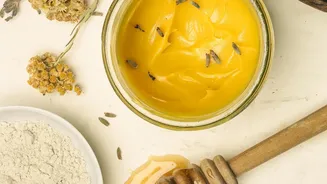
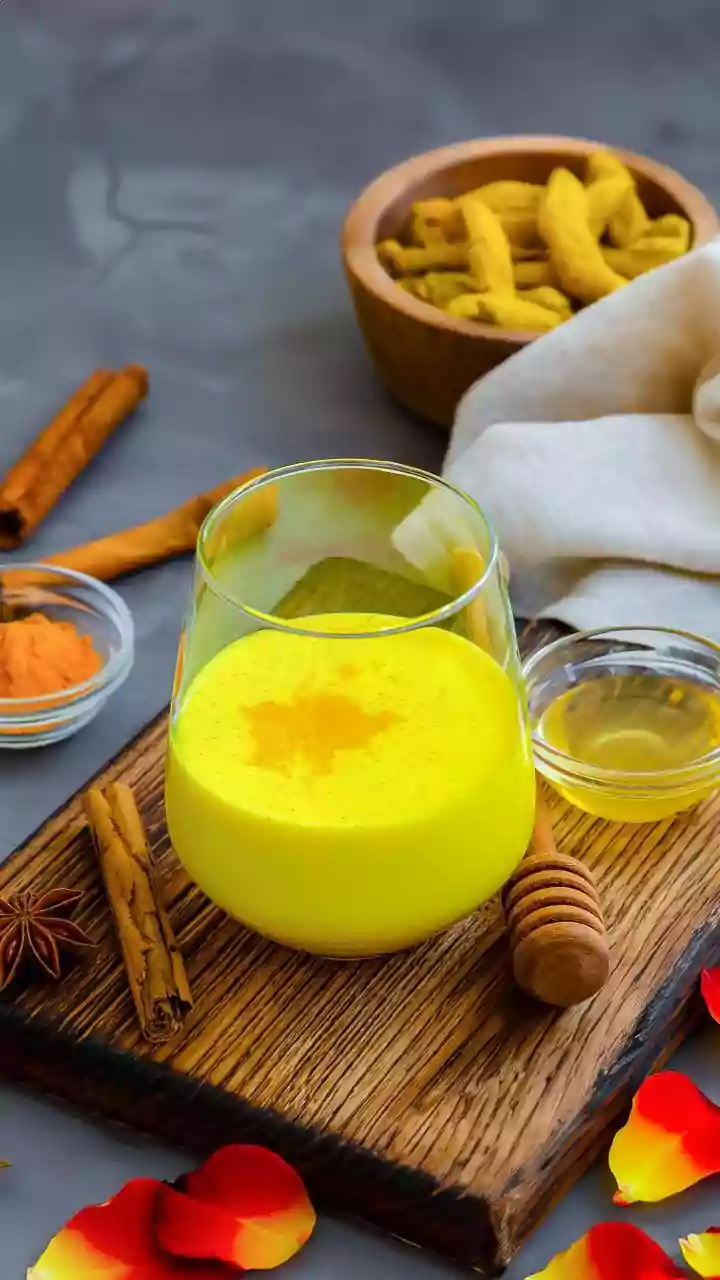
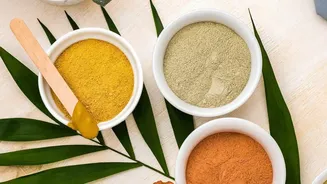
This timeless combination is a staple in Indian households for a reason. Gram flour (besan) acts as a gentle exfoliant, lifting away dead cells without being harsh. Turmeric (haldi) contains curcumin, which has anti-inflammatory and antioxidant properties
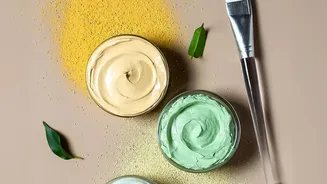
that can help even out skin tone over time. Together, they work to control excess oil and impart a subtle radiance. To create a paste, mix two tablespoons of gram flour with a pinch of turmeric. Add enough yogurt or milk to form a smooth consistency. Apply the pack to your face and neck, leave it on for 15-20 minutes until it dries, and then rinse with cool water. Used once or twice a week, this pack can help reduce dullness and promote a healthy glow with consistent application.
The Gentle Exfoliator: Yogurt and Honey
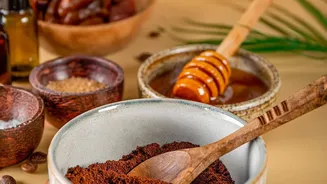
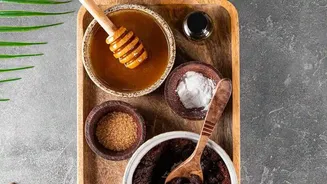
For those seeking brightness without scrubbing, yogurt is an excellent choice. It contains lactic acid, a natural alpha-hydroxy acid (AHA) that gently dissolves dead skin cells, helping to reduce the appearance of dark spots and improve skin texture. Honey is a natural humectant, which means it draws moisture into the skin, and it also has antibacterial properties. This combination offers a hydrating and mildly exfoliating treatment. Mix two tablespoons of plain, unflavoured yogurt with one tablespoon of honey. Apply a thin layer to your skin, let it sit for about 15 minutes, and wash it off. This mask is gentle enough for most skin types and helps to reveal smoother, more luminous skin with regular use.
The Enzyme Powerhouse: Papaya Pulp
Papaya is more than just a delicious fruit; it's a natural source of papain, a proteolytic enzyme that works wonders for your skin. Papain acts as a chemical exfoliant, breaking down the proteins that hold dead skin cells together. This process helps to unclog pores, smooth rough patches, and reveal a brighter complexion without the need for abrasive scrubbing. Simply mash a few ripe pieces of papaya into a pulp and apply it directly to your face. Let the enzymes work their magic for about 15-20 minutes before rinsing. Using a papaya mask once a week can help fade tan and mild pigmentation over several weeks, leading to clearer, more radiant skin.
The Soothing Brightener: Sandalwood and Rose Water
A traditional remedy for calming irritated skin, sandalwood (chandan) also has mild brightening properties. It is known for its ability to soothe inflammation and help reduce the appearance of blemishes and tans. Rose water complements it perfectly, acting as a gentle toner that helps hydrate and refresh the skin. This combination is particularly good for soothing skin after sun exposure. To make the pack, mix one tablespoon of sandalwood powder with enough rose water to form a smooth, spreadable paste. Apply it evenly on your face, allowing it to dry for about 15 minutes. Rinse with cool water. This calming mask helps soothe redness and promotes a clearer, more even-toned complexion over time.
The Vitamin C Boost: Orange Peel Powder
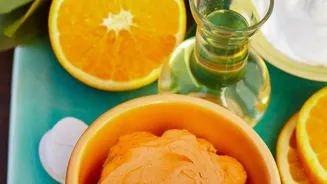
Instead of reaching for lemons, which can be overly acidic and cause photosensitivity, consider using dried orange peel powder. Orange peels are a potent source of Vitamin C and antioxidants that help protect the skin from damage, stimulate collagen, and brighten the complexion naturally. The powder also has a fine texture that provides gentle exfoliation. You can make your own by sun-drying orange peels and grinding them into a fine powder. Mix one tablespoon of the powder with yogurt or honey to create a thick paste. Apply it to your face, leave for 15 minutes, and wash off. This pack helps reduce pigmentation and adds a healthy glow when used consistently.
The Gentle Scrub: Oatmeal and Milk
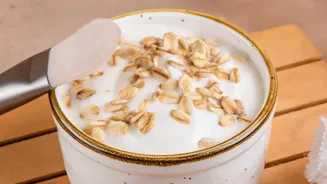
For a physical exfoliant that won't irritate your skin, oatmeal is a fantastic option. When ground into a fine powder, it gently buffs away dead skin cells, absorbing excess oil and calming inflammation. Milk contains lactic acid for a very mild chemical exfoliation and provides hydration. To prepare this gentle scrub, grind half a cup of plain rolled oats into a powder. Take two tablespoons and mix with enough milk to form a paste. Gently massage it onto damp skin in circular motions for a minute, then leave it on for another 5-10 minutes before rinsing. Using this 1-2 times a week can help improve skin texture and leave it feeling soft and smooth.
A Word on Lemon Juice: Use With Extreme Caution
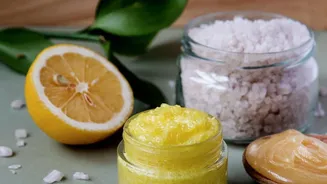
Lemon juice often appears in DIY skincare recipes for its lightening effects, attributed to its citric acid and Vitamin C content. However, it is highly acidic (pH of 2-3) and can disrupt your skin's natural barrier, leading to irritation, dryness, and redness. It also makes your skin highly sensitive to the sun, which can ironically lead to more dark spots, a condition known as phytophotodermatitis. If you choose to use it, never apply it undiluted. Always mix a few drops with a buffer like honey or yogurt, perform a patch test on your arm first, and never leave it on for more than 10-15 minutes. Most importantly, only use it at night and be diligent with sunscreen the next day.