





An Offer Too Good to Refuse
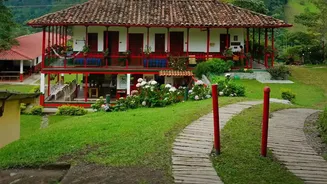
In the heart of Soria, a sparsely populated province in northern Spain, the village of Arenillas made global headlines with an extraordinary proposal. With its population dwindling to just over 40 residents, the town council decided to act decisively.
They offered one family a fully renovated, rent-free house, a permanent job contract for one person as a municipal mason, and the opportunity to manage the village's only bar, the social heart of the community. The primary condition was that the family have school-age children, a crucial element in the village's fight for survival. The goal was not just to fill an empty house, but to inject new life into a community on the brink.
The Reality of 'Empty Spain'
Arenillas is a microcosm of a much larger national issue known as 'España Vaciada' or "Emptied Spain". Since the mid-20th century, vast swathes of the country's interior have been systematically losing residents to large coastal cities, leaving behind ageing populations and ghost villages. With fewer young people, essential services like schools, shops, and medical clinics disappear, accelerating the decline. The school in Arenillas itself closed three decades ago; children now take a free 20-kilometre bus ride to a neighbouring town for their education. The offer of a house and job was a desperate, yet innovative, attempt to reverse this trend and ensure the village had a future.
A Global Deluge of Hope
The village's offer struck a chord far beyond Spain. Within the first week, over 100 applications flooded in. Soon, that number swelled into the thousands, with inquiries arriving from across Europe and as far away as Latin America and the United States. The overwhelming response highlighted a widespread, latent desire for a different way of life—one with a slower pace, a stronger sense of community, and a deeper connection to place. For many, the prospect of escaping high urban living costs and the stresses of city life for a guaranteed home and employment was an irresistible dream. However, there was a significant catch: applicants had to already possess the legal right to live and work in Spain, a detail that immediately disqualified many international dreamers.
The Chosen Ones and the Path Forward
After sifting through the mountain of applications, the Arenillas council made its choice. The selection process prioritized families with skills that would benefit the village, such as construction experience for the mason's job and a willingness to integrate into the tight-knit community. The initiative was never about a simple giveaway; it was a strategic investment in social infrastructure. The bar, for instance, is not seen as a profitable business but as an essential community centre where the few remaining neighbours can gather. This project wasn't the village's first attempt at survival; since the 1980s, the council has been renovating abandoned buildings into social housing, creating a small but vital stock of affordable homes that has helped slow the demographic bleed.