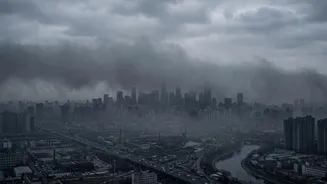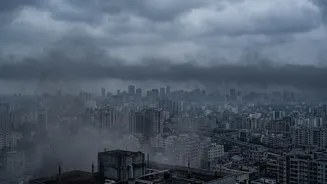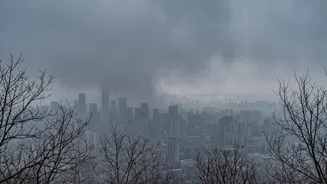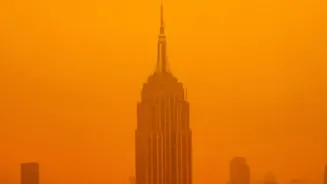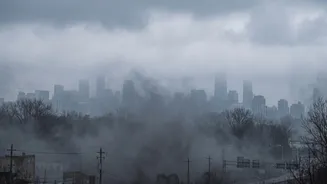






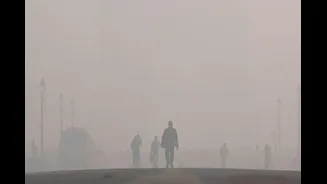

As winter approaches, Delhi is once again enveloped in a thick, hazardous smog. While the risks to children, the elderly, and those with existing conditions are well-known, many healthy adults are surprised to find themselves affected.
A Perfect Storm of Pollutants
Every year, the
arrival of winter in Delhi creates a perfect storm for air pollution. A combination of factors is to blame. Smoke from stubble burning in neighbouring agricultural states like Punjab and Haryana drifts towards the capital. This combines with emissions from vehicles, industry, and construction dust that plague the city year-round. The situation is then made much worse by the weather. A phenomenon known as temperature inversion occurs in colder months, where a layer of warm air traps cooler, denser air near the ground. This acts like a lid, preventing pollutants from dispersing and concentrating them at the level where people breathe.
The Invisible Threat: What You’re Breathing
The smog that blankets the city is a complex cocktail of harmful substances. The most dangerous are fine particulate matter known as PM2.5—particles so tiny they are about 30 times smaller than a human hair. These particles come from vehicle exhaust, industrial processes, and burning waste. Also present are other toxic gases like nitrogen dioxide (NO2) and sulfur dioxide (SO2), primarily from fuel combustion, and ground-level ozone (O3), which forms when sunlight reacts with pollutants from traffic. This mix of microscopic particles and gases is what causes the immediate, irritating effects many residents feel.
Why Even Healthy Bodies Suffer
A healthy body has natural defences, but they are easily overwhelmed by the sheer concentration and nature of these pollutants. The irritation felt in the eyes, nose, and throat is the body's immediate inflammatory response. PM2.5 particles are small enough to bypass the defenses of the upper respiratory tract and penetrate deep into the lungs. From there, they can even enter the bloodstream, triggering systemic inflammation throughout the body. This is not an allergic reaction, but a direct physical and chemical assault. Even for someone who exercises regularly and has no pre-existing conditions, the body is forced to work harder to function amidst this toxic load, leading to symptoms like fatigue and headaches.
From Itchy Eyes to Internal Damage
The most common symptoms are often dismissed as minor annoyances: itchy or burning eyes, a sore or scratchy throat, a persistent dry cough, and a runny nose. The pollutants directly irritate the mucous membranes in your eyes and airways. However, these are just the surface_level signs. Internally, the pollution is causing inflammation that can constrict blood vessels, raise blood pressure, and strain the cardiovascular system. For healthy individuals, these effects might be temporary at first, but repeated, prolonged exposure year after year can lead to more serious, long_term health consequences.
The Unseen Long–Term Risks
While a healthy adult may recover quickly from a few days of bad air, the cumulative effect of seasonal exposure is a serious concern. Chronic exposure to high levels of PM2.5 is linked to a gradual reduction in lung capacity, even in non–smokers. Studies have linked long–term exposure to an increased risk of developing chronic respiratory diseases like asthma and COPD, cardiovascular problems including heart attacks and strokes, and even certain types of cancer. Some research also points to negative impacts on cognitive function and mental health, with links to anxiety and depression.
How to Protect Yourself
While individual actions cannot solve the crisis, they are crucial for personal protection. The most effective step is to limit exposure. Stay indoors as much as possible when the Air Quality Index (AQI) is 'Severe' or 'Hazardous'. When you must go out, wear a well–fitting N95 or FFP2 mask, as simple cloth masks do not filter out PM2.5 particles. At home, using an air purifier with a HEPA filter can significantly improve indoor air quality. It's also wise to avoid strenuous outdoor exercise, as heavy breathing increases the intake of pollutants. Staying hydrated and eating a diet rich in antioxidants can also help support your body's defence mechanisms.