





The Scale of the Restructuring
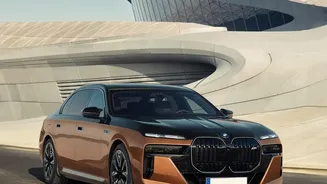
The Munich-based automaker aims to cut approximately 8,000 jobs, which represents about 5% of its global workforce of roughly 154,000 employees. The plan will be implemented through a voluntary severance program, which was agreed upon with employee representatives
after weeks of negotiations. This program is scheduled to begin in October 2026 and run through the end of 2027. Crucially, the reductions are not targeting factory-floor workers. Instead, the focus is on white-collar roles within administration, research, and development departments, primarily in Germany. The company plans to offer buyouts to nearly half of its permanent German staff in these desk-based roles.
Forces Driving the Decision
Several powerful forces are compelling BMW to streamline its operations. A primary driver is the costly and complex transition to electric vehicles (EVs). While necessary for the future, developing and producing EVs carries slimmer profit margins in the short term. At the same time, BMW is facing intense competition, particularly from Chinese EV manufacturers who have aggressively captured market share and initiated a fierce price war in what has historically been a lucrative market for German brands. BMW's sales in China have seen a significant drop, falling 30% year-on-year in the second quarter of 2026. A spokesperson noted that the company is proactively shaping its future amid technological transformation, geopolitical uncertainties, and changing market conditions, especially in China.
A Reshuffle, Not Just a Reduction
While the headline figure is about job cuts, the strategy is also a fundamental workforce reshuffle. The automotive industry is undergoing a massive skills transformation. Traditional mechanical engineering roles are declining, while demand for software developers, battery engineers, and data scientists is surging. By reducing headcount in some areas, BMW can free up resources to invest in the talent needed for a future of software-defined and electric vehicles. The decision to spare production workers from the cuts signals the company's commitment to safeguarding its manufacturing output and retooling its plants for new electric models. This move is part of a broader effort to reduce costs and improve profitability from 2028 onwards.
An Industry-Wide Trend
BMW is not alone in making these difficult decisions. The challenges it faces are systemic across the German and wider European auto industry. Volkswagen recently confirmed plans to potentially cut as many as 100,000 jobs across its brands. Mercedes-Benz and Porsche have also initiated their own workforce reduction programs. These coordinated moves underscore a massive, industry-wide realignment as legacy automakers grapple with the same cocktail of pressures: the high cost of the EV transition, intense competition, and softening demand in key markets like China. For these giants of the industrial era, becoming leaner and more agile is not just a choice but a necessity for survival in the new automotive landscape.