






The Mileage Question: Acknowledging the Dip
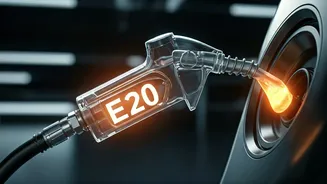
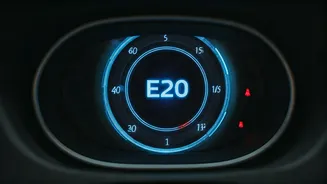
Let's get the big question out of the way first: yes, using E20 fuel can lead to a slight decrease in mileage. This isn't a sign of a faulty fuel or a problem with your car; it's basic chemistry. Ethanol, which makes up 20% of E20 fuel, has a lower energy
density than petrol. This means your engine needs to burn slightly more fuel to produce the same amount of power. Official studies from government bodies like the Automotive Research Association of India (ARAI) and industry groups suggest a drop in fuel efficiency of around 2-6%. However, real-world experiences can vary. Some drivers, particularly those with older vehicles not originally designed for E20, have reported a more noticeable dip. Factors like your driving style, vehicle maintenance, and traffic conditions also play a significant role in your overall mileage, as acknowledged by government officials.
The Reliability Promise: Built to Last
While a minor mileage drop is a known trade-off, the primary concern for many has been engine health. Fears of E20 causing engine damage have circulated widely, but extensive testing and official statements tell a different story. The Society of Indian Automobile Manufacturers (SIAM) and ARAI have been clear: for compliant vehicles, E20 does not pose a risk to engine reliability. Automakers have been preparing for this transition for years. Most cars manufactured since 2023, coinciding with the implementation of BS6 Phase 2 norms, are E20-compliant. These vehicles feature updated materials in their fuel systems—such as fuel lines, gaskets, and seals—that are designed to withstand the properties of ethanol without degrading. Concerns about ethanol's corrosive nature are valid for incompatible materials, but modern cars are specifically engineered to prevent this. The government has stated that no widespread engine failures attributable to E20 have been reported since its rollout.
Is Your Vehicle E20-Ready?
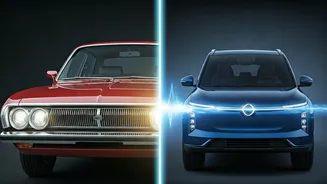
The key to a smooth experience with E20 is vehicle compatibility. Most vehicles manufactured after April 2023 are designed to be fully E20 compliant. Many manufacturers started even earlier; for example, some brands confirm all their BS6 models sold since 2018 have been material-compatible with E20. The easiest way to check is to look for a sticker on your car's fuel filler cap or consult the owner's manual. For owners of older, non-compliant vehicles, there have been reports of increased wear on certain rubber and plastic components. However, industry bodies have assured the public that warranties for existing vehicles will be honoured, even if the manual specifies E10 fuel. This assurance from SIAM aims to ease the concerns of owners of slightly older cars who now only have E20 as an option at the pump.
The Bigger Picture: Why India is Switching
The nationwide shift to E20 isn't just about changing what's at the pump; it's part of a larger national strategy. The Ethanol Blending Programme (EBP) has several major goals. Primarily, it aims to reduce India's heavy reliance on imported crude oil, which can save the country billions in foreign exchange annually. Environmentally, ethanol burns cleaner than pure petrol, leading to lower carbon monoxide and other harmful emissions, contributing to better air quality and helping India meet its climate targets. Furthermore, since ethanol in India is primarily produced from sugarcane and other grains, the program provides a significant boost to the agricultural sector, increasing income for farmers. While drivers see a new fuel at the station, the government sees a step towards greater energy security, a cleaner environment, and a stronger rural economy.