




Debunking the Monsoon Myth
A common belief in many Indian households is to be wary of fruits during the monsoon. The logic seems sound on the surface: the high humidity and increased risk of waterborne contaminants can make raw foods a potential hazard. People worry about fruits causing
stomach infections or that the body's digestive fire (agni) is weaker, making fruit harder to process. Papaya sometimes gets caught in this net of suspicion, with concerns that it might upset a sensitive monsoon stomach. However, when you look at the science behind this fruit, avoiding it is not only unnecessary but also means missing out on crucial seasonal health benefits. The key isn't avoiding fruit, but handling it correctly: buying whole, washing thoroughly, and cutting it fresh at home.
A Natural Digestive Aid
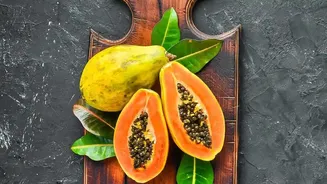
Far from causing digestive trouble, papaya is a champion of gut health. Its secret weapon is a unique enzyme called papain. This powerful enzyme specifically helps break down proteins, making them easier for your body to digest and absorb. During the monsoon, when many people report feeling bloated or experiencing sluggish digestion, papaya can be a perfect natural remedy. Its high fibre and water content also work together to prevent constipation and promote regular bowel movements, ensuring your digestive system runs smoothly when it's most vulnerable. Think of it not as a risk, but as a tool to keep your gut happy and healthy through the damp weather.
Your Immunity Guardian for the Rains
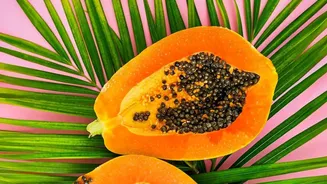
The monsoon is notorious for bringing a wave of colds, flu, and other infections. This is where papaya proves its worth as an outstanding immune-booster. It is loaded with Vitamin C; a single medium-sized papaya can provide more than 200% of your daily required intake. Vitamin C is essential for the production and function of white blood cells, which are your body's primary soldiers in the fight against infection. Beyond Vitamin C, papaya is also a rich source of Vitamin A and other antioxidants, which further strengthen your immune system and protect your cells from damage. Including papaya in your diet is a delicious and effective way to fortify your body's natural defences against seasonal illnesses.
More Than Just a Monsoon Fruit
While its benefits are especially welcome during the rains, papaya is a year-round nutritional superstar. It's relatively low in calories and high in soluble dietary fibre, making it a great, satisfying snack for those managing their weight. The fruit is also an excellent source of nutrients like Vitamin A and flavonoids like beta-carotene, which are vital for maintaining healthy vision and skin. Furthermore, it provides essential minerals such as potassium and magnesium. Potassium is crucial for heart health as it helps regulate blood pressure. These combined benefits make papaya a wise choice for anyone looking to maintain their overall health, regardless of the season.
Tips for Safe Consumption
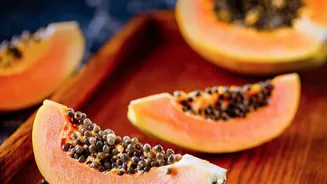
To enjoy papaya safely during the monsoon, a few simple precautions are all you need. Always choose whole fruits and avoid pre-cut pieces from street vendors, as these are more susceptible to contamination. Look for a papaya with reddish-orange skin that is slightly soft to the touch, but not mushy. Before cutting, wash the exterior of the fruit thoroughly under clean, running water. Cut it yourself right before you plan to eat it. Storing cut fruit, even in the refrigerator, can encourage bacterial growth in the humid environment. By following these simple hygiene practices, you can confidently enjoy all the delicious and healthful benefits this tropical gem has to offer.