




The World's Most Important Chokepoint
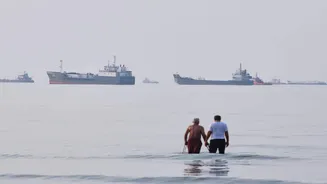
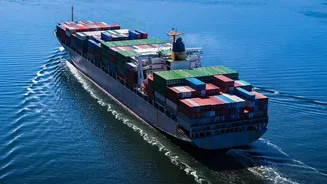
The Strait of Hormuz is a narrow waterway connecting the Persian Gulf with the Gulf of Oman and the open Arabian Sea. At its narrowest point, it is only about 33 kilometres wide, with shipping lanes just a few kilometres across in each direction. Despite
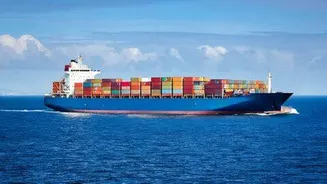
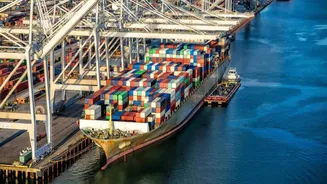
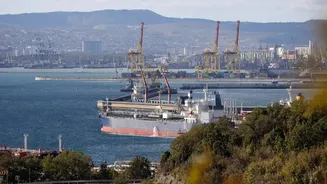
its small size, it is arguably the most important maritime chokepoint in the world for the global energy supply. Around 20% of the world's total oil consumption and about a third of global liquefied natural gas (LNG) trade passes through this strait every day. Major oil and gas producers, including Saudi Arabia, the UAE, Qatar, Kuwait, and Iraq, depend on this route to get their products to international markets, with a significant portion destined for Asia.
India's High-Stakes Dependency
For India, the world's third-largest oil importer, the free passage of tankers through Hormuz is not just a matter of international trade—it is a cornerstone of national energy security. Approximately 40% of India’s crude oil imports transit this volatile waterway. The dependency is even more stark for other forms of energy. Over half of India's imported LNG, primarily from Qatar, and a staggering 90% of its liquefied petroleum gas (LPG) imports come through the strait. This LPG is crucial, as it directly fuels the kitchens of over 330 million households across the country. Any disruption, therefore, has immediate and widespread consequences, affecting everything from transport fuel and electricity generation to fertilizer production and household cooking gas.
A Constant Source of Geopolitical Tension
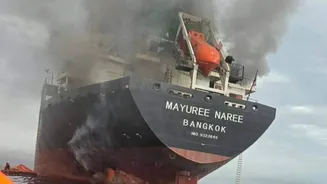
The strait's strategic importance is matched by its geopolitical instability. Bordered by Iran to the north and Oman and the UAE to the south, the waterway is frequently at the center of regional and international conflicts. Tensions in West Asia often lead to threats of the strait's closure, which can cause crude oil prices to spike dramatically. The presence of international naval forces, attacks on commercial vessels, and political disputes create a high-risk environment. Even the threat of disruption can send shockwaves through global markets, increasing insurance costs for tankers and forcing nations to scramble for alternative supplies, as seen during the regional conflicts of early 2026.
The Economic Ripple Effect of Disruption
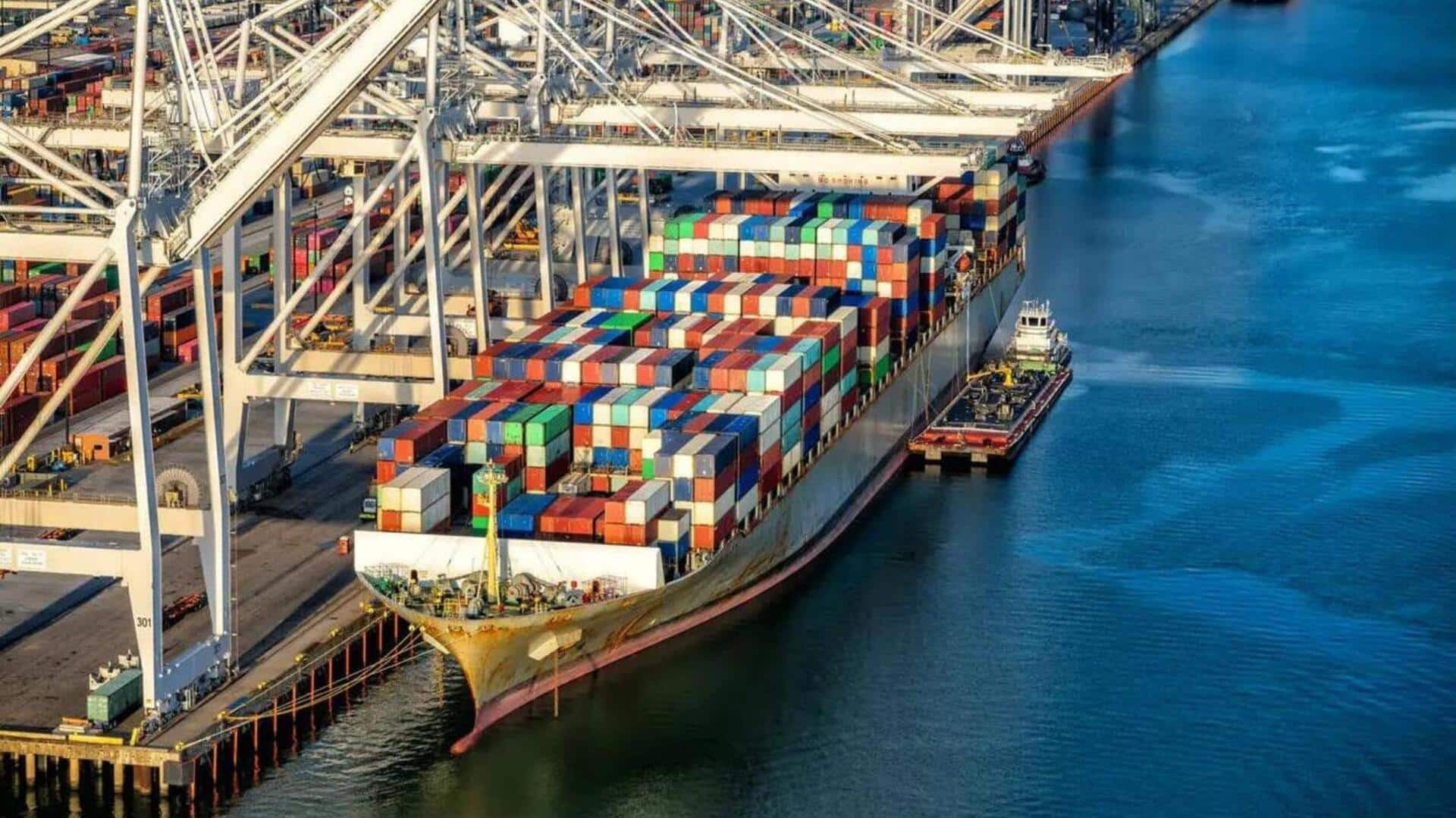
If the Strait of Hormuz were to be closed for a prolonged period, the impact on the Indian economy would be severe. The immediate effect would be a sharp surge in the price of crude oil and LNG, as seen when prices have previously jumped over $100 per barrel amid regional tensions. This would translate to higher prices for petrol, diesel, and ATF at home, driving up transportation costs and contributing to broad-based inflation. India's import bill would swell, putting pressure on the current account deficit and weakening the rupee. Key industries like fertilizers, which rely on natural gas feedstock, would face disruptions, potentially impacting the agricultural sector and food security. While large companies might absorb some costs, smaller businesses and the average citizen would bear the brunt of the economic fallout.
De-Risking the Future: India's Strategy
Recognising this vulnerability, India has been actively pursuing a multi-pronged strategy to mitigate the risks. A key element is the diversification of energy sources, with increased crude imports from Russia and the Americas to reduce reliance on Gulf supplies passing through the strait. Another crucial step is bolstering the nation's Strategic Petroleum Reserves (SPR)—underground rock caverns that store crude oil for emergencies. Current SPRs provide a buffer of about 9.5 days, and the government has approved a second phase to expand this capacity further. Furthermore, India is exploring alternative routes, such as using ports like Fujairah in the UAE, which lies outside the strait, and investing in pipeline projects like the proposed undersea gas pipeline from Oman to Gujarat. The Indian Navy's 'Operation Sankalp' also provides escorts to Indian-flagged vessels in the region, adding a layer of security.