A Historic Homecoming
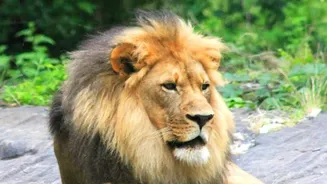
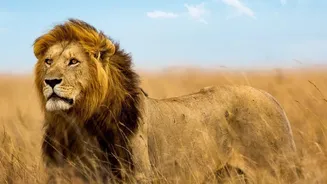
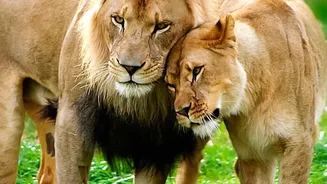
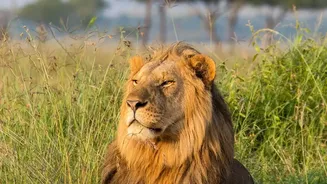
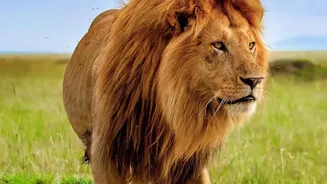
For the first time since 1879, a viable population of Asiatic lions is thriving in the Barda Wildlife Sanctuary, about 100 kilometres from their primary stronghold in Gir National Park. This remarkable return began in January 2023, when a lone male lion naturally
migrated into the sanctuary. Following this pioneering move, the Gujarat Forest Department introduced five females to help establish a new population. The pride has since grown, and as of late 2025, the sanctuary supports a population of 17 lions, including six adults and eleven cubs. This isn't just a relocation; it's the blossoming of a second home, a crucial step in securing the future of this majestic species.
Why Barda Was Chosen
The choice of Barda as a second sanctuary is no accident. Spread across 192 square kilometres in the Porbandar and Devbhumi Dwarka districts, the sanctuary was identified by the Wildlife Institute of India as capable of supporting around 40 lions. Years of dedicated habitat restoration have made the area suitable once again. Efforts have focused on increasing the prey base, a critical component for sustaining predators. To that end, 441 chitals (spotted deer) were translocated from Gir to Barda in 2025-26 to ensure a healthy food supply for the growing lion population. Recent studies confirm that Barda provides the right habitat, prey, and ecological conditions to support a lion population long-term, making it an ideal buffer for the main population at Gir.
The Risk of a Single Home
While the story of the Asiatic lion's recovery from near-extinction is a celebrated success—growing from just a few dozen in the early 20th century to 891 by 2025—concentrating the entire global wild population in one area carries immense risks. A single outbreak of disease, like the Canine Distemper Virus that killed at least 23 lions in 2018, or a natural disaster could be catastrophic for the species. This vulnerability has made establishing a second, geographically separate population a long-standing goal of 'Project Lion', India's ambitious conservation initiative. By creating a new pride in Barda, conservationists are building an essential 'ecological insurance policy' to safeguard the lions from potential calamities.
The Road Ahead
The success in Barda is a significant milestone, but the work is far from over. The expanding lion population, with over half now living outside the core Gir protected area, increases the chances of human-wildlife conflict. To manage this, the government is focusing on landscape-level conservation, which includes securing wildlife corridors and working with local communities. In Barda, this has involved a scheme to voluntarily and financially support the relocation of Maldhari pastoralist families living within the sanctuary to reduce potential friction and ensure both people and lions can thrive. Furthermore, the forest department has deployed full-time trackers and rapid response teams to monitor the lions' health and movements, using radio collars to gather crucial data on how they are adapting to their new environment.