




The Tit-for-Tat Tariff Tale
To understand the fruit's role, we need to look at a classic trade standoff. It often begins with one country imposing tariffs (taxes on imported goods) to protect its domestic industries. In 2018, the US government placed tariffs on steel and aluminum
imports from several countries, including India. New Delhi, arguing the move was unfair, didn't just accept it. Instead, it responded with a strategy known as retaliatory tariffs. India announced it would impose its own new tariffs on a list of 28 American products. This is a common tactic in trade disputes: if you tax our goods, we'll tax yours. The goal is to create economic pressure that brings the other side back to the negotiating table.
Enter the Apple
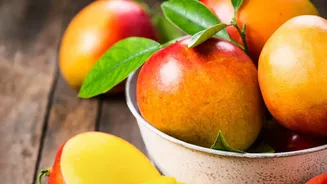
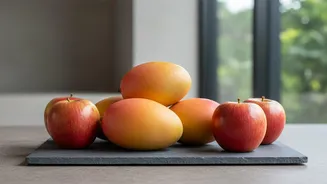
Among the American products on India's tariff list were almonds, walnuts, and, most notably, apples. This wasn't a random choice. Agricultural goods are frequently targeted in trade wars because they represent a politically sensitive sector. A tariff on US apples directly impacts farmers in states like Washington, creating a powerful domestic lobby that can pressure lawmakers to resolve the dispute. The move demonstrated that India was prepared to hit back in a way that would be felt by American exporters. The apple, a simple everyday product, suddenly became a potent symbol of the escalating economic friction between the two nations.
Mango Diplomacy to the Rescue
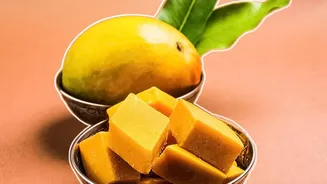
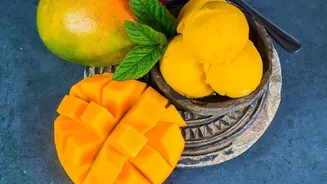
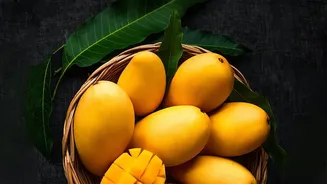
On the other side of the equation is India’s beloved “king of fruits”—the mango. For decades, Indian officials have used mangoes as a tool of soft power, a practice dubbed “mango diplomacy.” For many years, Indian mangoes were effectively banned from the US market due to pest concerns. A breakthrough came in 2007, when a deal was struck: India would allow imports of iconic American Harley-Davidson motorcycles, and in return, the US would open its market to Indian mangoes. This established a precedent for using high-profile, culturally significant products to resolve trade blockages. More recently, in early 2022, a similar agreement was reached where India agreed to allow imports of US pork, while the US restored market access for Indian mangoes and pomegranates which had been disrupted by the pandemic.
A Lesson in Reciprocity
These fruity negotiations are a perfect illustration of a core principle in international trade: reciprocity. The deals weren't just about one side giving in; they were about a balanced exchange. India gets to export its prized mangoes, a point of national pride and a valuable agricultural product. In return, the US gains access to India's vast market for its own goods, whether it's motorcycles, pork, or cherries. This tit-for-tat approach allows both governments to show their domestic audiences that they secured a “win.” The mango acts as a sweetener, both literally and figuratively, making a tough compromise more palatable for everyone involved. It turns an abstract negotiation over percentages and regulations into a tangible outcome that people can easily understand: we can now buy their mangoes, and they can now buy our pork.