






The World's Maritime Superhighways
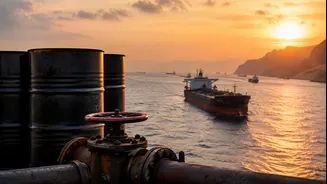
Imagine the world’s oil and gas supply flowing through just a few key arteries. The Strait of Hormuz, connecting the Persian Gulf to the open ocean, and the Bab el-Mandeb, linking the Red Sea to the Indian Ocean, are two of the most critical. Before the current
conflicts, Hormuz alone handled about a fifth of the world's oil. Together, these straits are the primary route for a massive portion of global merchandise and energy trade, including an estimated one-third of India's total trade. A significant share of India's crude oil, LNG, and LPG imports from the Gulf region must pass through Hormuz, making it a vital lifeline for the nation's energy security and economy.
A Tale of Two Crises
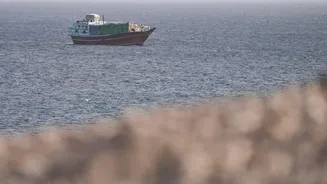
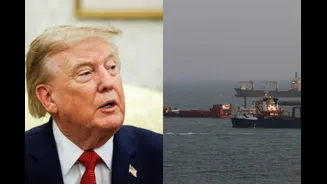
The current situation is a double blow. In the Strait of Hormuz, tensions between the U.S. and Iran have led to an effective closure of the waterway to most commercial traffic. Iran has stated the strait will remain closed until its conditions are met, including the lifting of a U.S. naval blockade and sanctions. Traffic has plummeted to a fraction of its normal volume. Simultaneously, in the Bab el-Mandeb strait, Iran-backed Houthi rebels in Yemen have escalated attacks on commercial shipping. A recent missile strike on a commercial vessel on August 11, 2026, resulted in the first known fatalities from such attacks in the latest round of fighting, killing six people. This has made the alternative route to the Suez Canal increasingly perilous.
The Global Supply Chain Shock
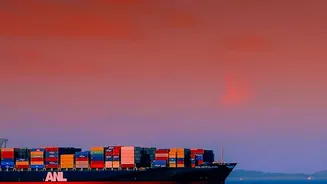
When these chokepoints are disrupted, the ripple effects are immediate and global. Shipping companies are forced to reroute vessels around the Cape of Good Hope in Africa, a journey that can add 10 to 14 days and thousands of kilometres to a voyage. This extended travel time burns more fuel and, crucially, ties up ships, removing an estimated 5-7% of the global container fleet from the market. The consequences are higher freight rates, soaring war-risk insurance premiums which have spiked dramatically, and significant delivery delays. This logistical nightmare affects everything from electronics and car parts to raw materials, causing a widespread shock to supply chains that were just recovering from previous disruptions.
The Impact on Indian Businesses
For Indian businesses, this double disruption is a major challenge. Exporters of engineering goods, textiles, pharmaceuticals, and other products face higher shipping costs and longer delivery times to key markets in Europe and North America. This makes Indian goods less competitive. On the import side, companies dependent on raw materials and components face potential shortages and inflated costs. According to CareEdge Ratings, Indian firms in affected sectors are likely to experience pressure on their profit margins due to these elevated logistics expenses and increased working capital needs. Sectors like petrochemicals, plastics, and even basmati rice exports are feeling the strain.
What This Means for Your Household
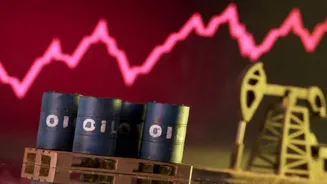
The turmoil in these distant waters translates directly to the costs you face every day. The most immediate impact is on energy prices. With the Strait of Hormuz largely blocked and global supply routes threatened, crude oil prices have remained elevated. This means higher prices at the petrol pump, which in turn increases transportation costs for everything from groceries to consumer goods. Disruptions also affect the price of imported items, including electronics, cooking oils, and fertilisers. Higher fertiliser costs can lead to increased food prices. In essence, the instability in these chokepoints fuels domestic inflation, putting a squeeze on household budgets across India.