




First, What Is a 'Whole Grain'?
Before we can talk about oats, we need to understand what makes a grain 'whole'. A whole grain is a kernel that contains all three of its original parts: the bran, the germ, and the endosperm. The bran is the fibre-rich outer layer packed with B vitamins
and antioxidants. The germ is the core, which contains healthy fats, vitamins, and minerals. The endosperm is the starchy middle layer that provides energy. When a grain is refined, like in white flour or white rice, the bran and germ are stripped away, removing most of the fibre and nutrients. Keeping all three parts intact is what gives whole grains their health benefits, including supporting heart health and providing sustained energy.
Enter Steel-Cut Oats: The Whole Grain in Action
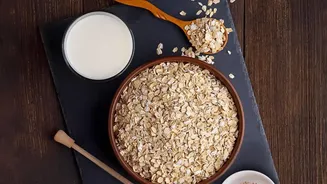
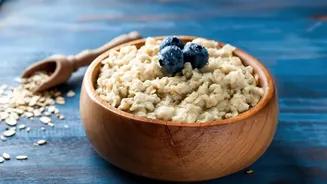
So, where do steel-cut oats fit in? They are a perfect example of a whole grain in its most minimally processed form. Steel-cut oats, sometimes called Irish oats, are made by taking the whole oat kernel (or 'groat') and simply chopping it into two or three pieces with steel blades. That's it. Because they undergo so little processing, they retain their bran, germ, and endosperm. This simple preparation preserves the grain's complete nutritional package, making them a dense source of fibre, protein, and essential nutrients. Think of them as the oat in its most rugged, natural state before it gets flattened or pre-cooked.
The Oat Family: A Quick Comparison
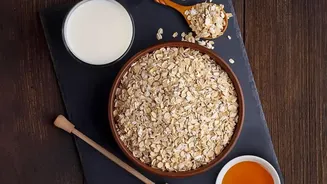
Not all oats are created equal, and the differences come down to processing. While steel-cut, rolled, and instant oats all start as whole oat groats, the journey to your bowl changes their texture and how your body uses them. Steel-Cut Oats: Minimally processed by chopping. They have a firm, chewy texture and take the longest to cook, about 20-30 minutes. Rolled Oats: Also known as old-fashioned oats, these are oat groats that have been steamed and flattened by rollers. This process gives them a softer texture and a shorter cooking time of 5-10 minutes. * Instant Oats: These are the most processed. They are pre-cooked, dried, and rolled very thin. This allows them to 'cook' in minutes just by adding hot water, but it also changes their nutritional impact significantly.
Why Processing Matters: The Glycemic Index
The level of processing directly affects a food's glycemic index (GI), which measures how quickly it raises your blood sugar. Because steel-cut oats are so dense and minimally processed, your body digests them slowly. This gives them a low GI, typically around 53. Rolled oats are slightly more processed and have a slightly higher GI, around 57. Instant oats, however, are broken down so much that your body digests them very quickly, giving them a high GI of around 80—similar to white bread. A lower GI means you get a slower, more sustained release of energy, which keeps you feeling full for longer and helps avoid a mid-morning energy crash. This makes steel-cut oats an excellent choice for stable energy throughout the morning.
Building a Truly Balanced Breakfast Bowl
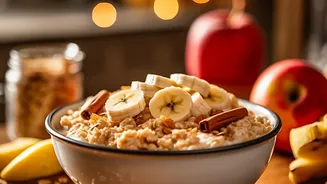
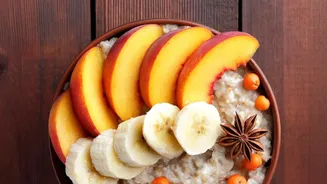
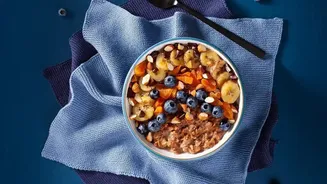
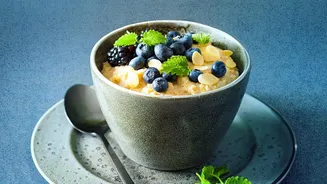
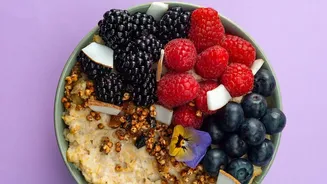
Choosing steel-cut oats is a great start, but a truly balanced breakfast needs more than just a great carbohydrate source. To make your oatmeal bowl a complete meal, think about adding components from other food groups. This not only boosts the nutritional value but also enhances the flavour and texture. Consider stirring in a source of protein like Greek yogurt, nuts, or seeds such as chia or flax. These also add healthy fats, which contribute to feeling full and satisfied. Finally, top your bowl with fresh or frozen fruits like berries or sliced banana for added vitamins, natural sweetness, and fibre. This combination of complex carbs, protein, and healthy fats provides lasting energy and a wide range of nutrients to start your day strong.