






The New King of International Travel
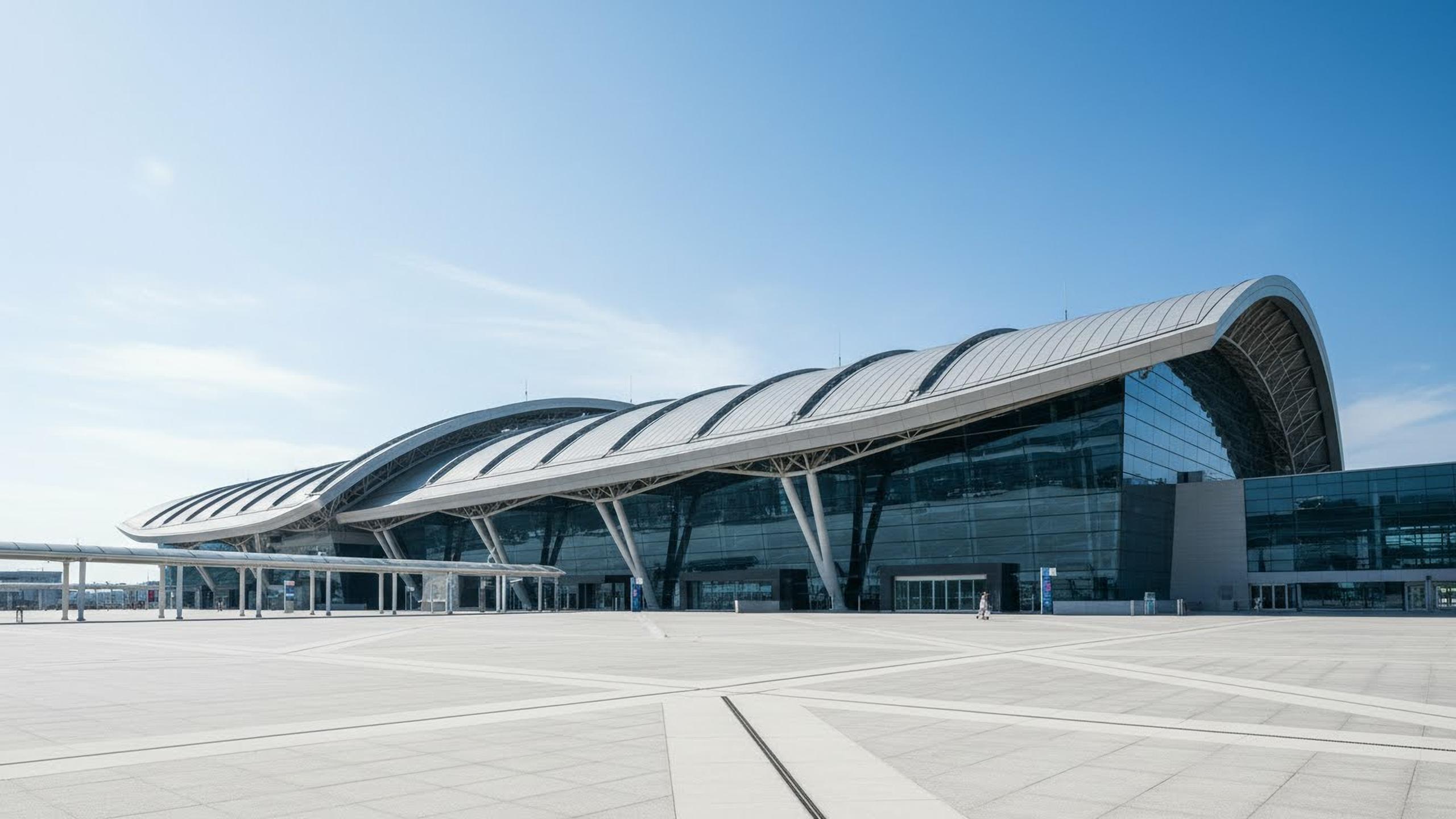
In a significant shift for global aviation, Seoul’s Incheon International Airport (ICN) has officially become the world's number one hub for international passengers. According to preliminary data from Airports Council International (ACI) for the first
half of 2026, Incheon handled an impressive 38.4 million international travelers. This figure places it ahead of London's Heathrow, which saw 37.8 million passengers, and Singapore's Changi Airport with 34.5 million. The former long-time champion, Dubai International Airport (DXB), fell out of the top rankings following significant regional disruptions. This achievement marks a historic first for Incheon since its opening in 2001 and signals a major realignment in global travel patterns.
A Perfect Storm of Opportunity
Incheon's ascent to the top was driven by a combination of strategic planning and unforeseen geopolitical events. A key factor was the disruption in the Middle East, which impacted traffic through hubs like Dubai. As airlines and passengers sought alternative routes between Europe and Asia, Incheon emerged as a prime beneficiary. The airport saw its numbers for transfer passengers surge by over 18% compared to the previous year, with traffic from European routes alone jumping by a massive 63%. This influx of connecting travelers, combined with a booming inbound tourism market from nearby countries like China and Japan, created the perfect conditions for Incheon's rise. Foreign nationals accounted for a record 44.4% of all passengers in the second quarter of 2026.
Built for Growth and Passenger Experience
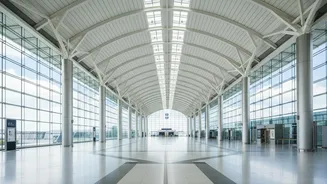
The airport’s success is not accidental; it's the result of decades of meticulous planning and investment. Incheon has consistently been recognized for its world-class passenger experience, winning awards for service quality for 12 consecutive years. The airport is known for its incredible efficiency, cleanliness, and a host of passenger-friendly amenities, from cultural performances and museums to nap zones and indoor gardens. Crucially, Incheon has been built for growth. A multi-phase expansion project, with the fourth phase completed in late 2024, has boosted its annual capacity to 106 million passengers. This makes it the third-largest in the world by capacity, ensuring it can handle the increasing demand without compromising the quality of its service.
A Hub for the Future
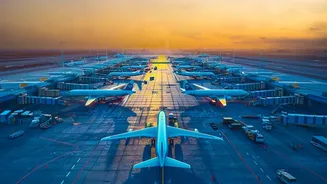
Incheon's extensive network has also been a critical component of its strategy. The airport now connects 183 cities in 53 countries via 101 different airlines, giving it a broader reach than regional competitors like Hong Kong, Shanghai, and Tokyo. Major carriers have taken note; Delta Air Lines, for example, shifted its primary Asian hub from Tokyo's Narita to Incheon in 2024. This ability to attract airlines and offer a vast array of connections solidifies its position as a central node in the global aviation network. The airport authority is now looking to the future, investing in artificial intelligence and other advanced technologies to further streamline operations and enhance the travel experience.
What This Means for India and the World
The shift in the world's busiest airport from the Middle East to East Asia is more than just a numbers game; it reflects a broader change in the global economy's center of gravity. For Indian travelers, it could mean more competitive flight options and new, efficient routes for travel to North America and other parts of Asia via Seoul. As Incheon continues to expand its network, it may offer compelling alternatives to traditional transit hubs. The airport's rise underscores the growing importance of the Asia-Pacific region in both business and leisure travel, a trend that is expected to continue. Incheon’s success story serves as a blueprint for how strategic investment in infrastructure and a relentless focus on passenger experience can propel an airport to the top of the world.