



What is the New Yamuna River Cruise?
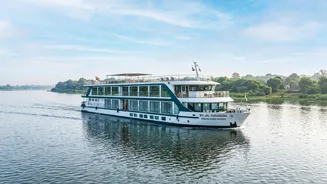
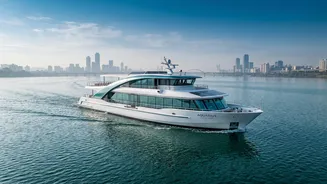
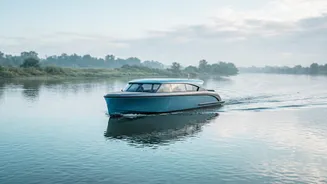
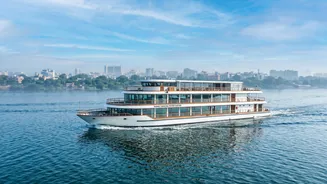
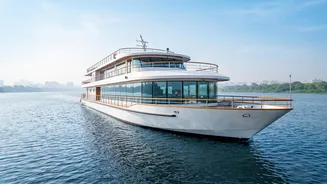
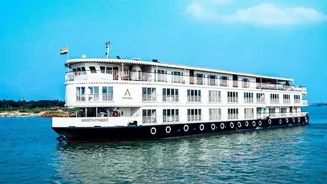
Delhi has officially launched its first recreational river cruise, the 'Namo Yamuna River Safari', on November 10, 2026. This new attraction features a 30-seater, eco-friendly electric vessel that takes passengers on a scenic six-kilometre round trip
between Sonia Vihar and Jagatpur in North-East Delhi. The journey lasts approximately 40 to 45 minutes. The cruise operates from an integrated hub at Sonia Vihar that includes a food court, children's play area, and facilities for adventure sports, aiming to be a complete family outing destination. The vessel itself is air-conditioned and equipped with bio-toilets to prevent river pollution. Officials have highlighted that this initiative is a step towards developing the Yamuna as National Waterway-110, unlocking its potential for sustainable tourism.
A New Weekend Getaway for Delhi Families
For countless families in Delhi, the options for weekend recreation that are both accessible and engaging can feel limited. The Yamuna cruise, and the recreational area developed around it, directly addresses this need. It provides a clean, organised, and novel experience away from the city's traffic and crowded malls. The project was designed not just for a boat ride but to create a space where families can have a picnic-like experience, with attractions like a musical fountain and light-and-sound show that narrates the river's mythological stories. The potential to book the vessel for private celebrations like birthdays and anniversaries also adds another layer of appeal, offering a unique venue for special occasions. It’s an invitation for Delhiites to spend quality time together by the river, something that was almost unimaginable just a few years ago.
Reconnecting a City With Its Lifeline
Perhaps the most significant aspect of the Yamuna cruise is its potential to fundamentally reshape Delhi’s relationship with its river. For a long time, the Yamuna has been treated as the city's backyard drain, a recipient of industrial effluents and untreated sewage. This tourism project is part of a broader ambition to bring the river back to the centre of public life. By creating a positive, enjoyable experience on the water, the government hopes to foster a greater sense of public ownership and engagement with the Yamuna. When people see the river as a place for leisure and beauty, they are more likely to care about its health and support efforts to protect it. This initiative is a step toward reviving not just the river's ecology but also its place in the cultural and social fabric of the capital.
The Elephant in the Room: Pollution
While the launch of a cruise is a positive development, the monumental challenge of the Yamuna's pollution cannot be ignored. The 22-kilometre stretch of the river flowing through Delhi is notoriously toxic, accounting for over 75% of the river's total pollution load. Critics have pointed out the irony of launching a tourism project on a river that remains heavily polluted, arguing that the primary focus should be on cleaning it first. However, the government frames the cruise as part of a larger, integrated strategy. The use of an electric, zero-emission vessel is a deliberate choice to promote sustainable practices. Furthermore, the project launch coincides with massive investments in new and upgraded sewage treatment plants, with authorities setting a target to clean the river in the coming years. The success of the cruise is intrinsically linked to the success of these cleanup efforts; a cleaner river will naturally make for a more pleasant journey.
A Symbol of Broader Development
The Yamuna riverfront development is more than an isolated project; it's a model for urban rejuvenation across India. Inspired by projects like the Sabarmati Riverfront, the plan for the Yamuna involves creating biodiversity parks, walkways, and cycle tracks along its banks, restoring wetlands, and extensive reforestation. The cruise is the most visible component of this larger vision. Its success could pave the way for more eco-tourism initiatives and bolster the local economy. However, this development has not been without controversy, particularly concerning the eviction of communities and farmers who have lived and worked on the floodplains for generations. Balancing the goals of ecological restoration and public recreation with the livelihoods of existing communities remains a critical challenge. The cruise, therefore, also stands as a symbol of the complex negotiations involved in reshaping a modern megacity.