



Crispy on the outside, soft on the inside, and bursting with flavour—the vada is a cornerstone of Indian breakfast and snacks. But this humble fritter is far from uniform, boasting a unique identity in every region it calls home.
The Southern Superstar: Medu Vada
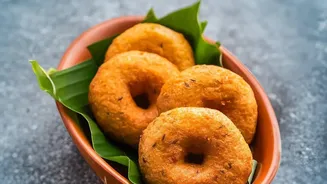
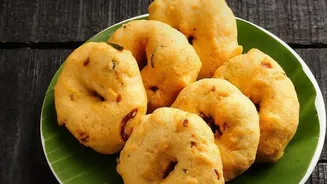
Perhaps the most iconic
of them all, the Medu Vada is a breakfast staple across South India. Its name, derived from the Kannada word 'Medu' for soft, perfectly describes its pillowy interior, which contrasts beautifully with its golden, crispy shell. These savoury doughnut-shaped fritters are made from a batter of urad dal (black lentils), often seasoned with ginger, green chillies, curry leaves, and sometimes whole black peppercorns. The process involves soaking the lentils, grinding them into a thick, fluffy paste, and then deep-frying the distinctively shaped patties. Typically served piping hot alongside sambar and coconut chutney, it’s a comforting and delicious start to any day.
The Crunchy Cousin: Masala Vada
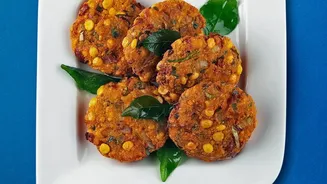
Also hailing from the South, particularly popular in Kerala and Tamil Nadu, is the Masala Vada or Parippu Vada. Unlike the soft Medu Vada, this version is celebrated for its rugged, crunchy texture. It's made from a coarse paste of chana dal (Bengal gram) and sometimes toor dal, mixed with finely chopped onions, fennel seeds, and an assortment of spices that give it a robust flavour. The mixture is formed into rustic, uneven patties and deep-fried to a deep golden brown. This vada is less about fluffiness and more about a satisfying crunch with every bite, making it a beloved tea-time snack.
The Pride of Maharashtra: Batata Vada
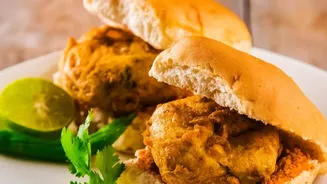
Travel west to Maharashtra, and you'll find the beloved Batata Vada, the heart and soul of Mumbai's street food scene. In Marathi, 'batata' means potato, and this vada is essentially a flavourful potato dumpling. Boiled and mashed potatoes are mixed with a tempering of mustard seeds, curry leaves, ginger, garlic, and green chillies. This spicy potato mixture is rolled into balls, dipped in a thick gram flour (besan) batter, and deep-fried until crisp and golden. While delicious on its own with chutney, the Batata Vada is most famously served stuffed inside a pav (bread roll) to create the iconic Vada Pav.
The Double-Fried Delight: Kalmi Vada
From the royal state of Rajasthan comes Kalmi Vada, a snack known for its exceptional crispiness. The secret to its texture lies in a unique double-frying process. A coarse batter is made from soaked chana dal (and sometimes other dals like moong), seasoned with spices like fennel and coriander seeds. This batter is first shaped into large logs or patties and fried until cooked through. After cooling, these are sliced into thin, stick-like pieces ('Kalmi') and fried again until they are incredibly crunchy. It’s a perfect snack for those who love a serious crunch, often enjoyed with a zesty green chutney.
The Cool Classic: Thayir Vadai
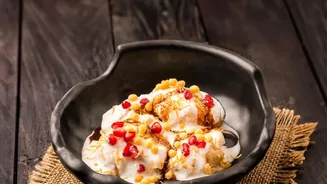
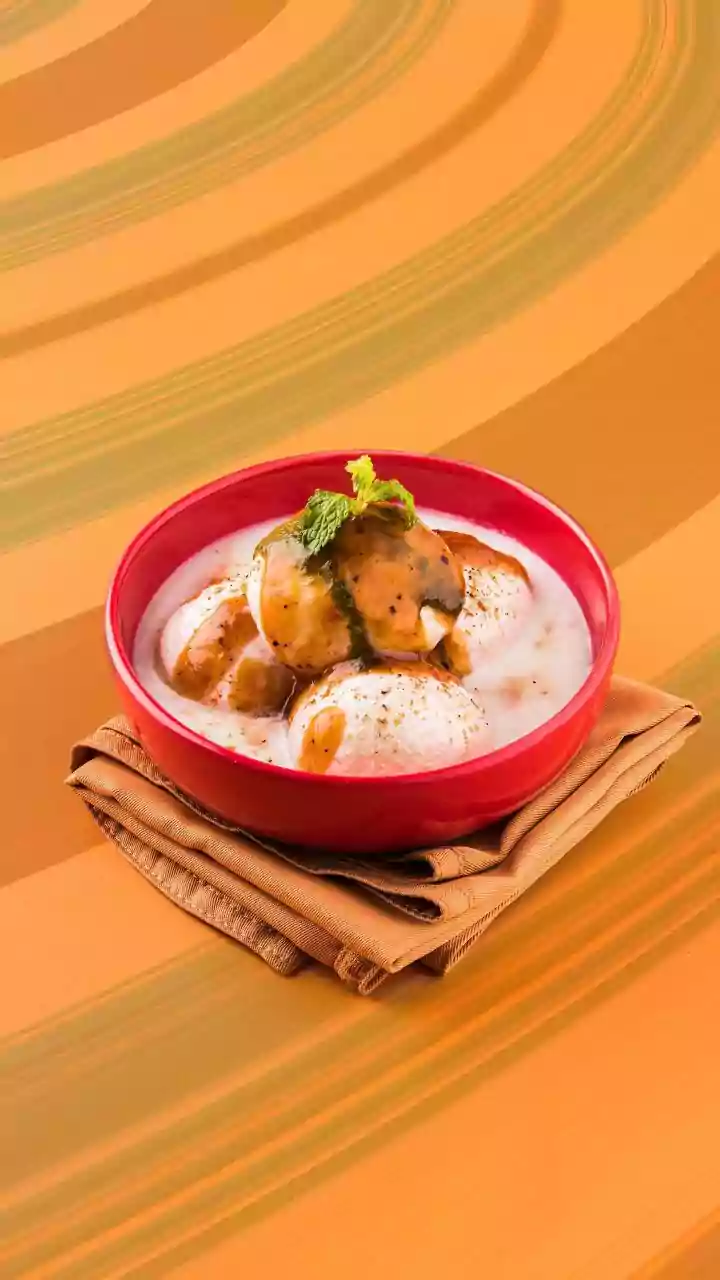
While most vadas are served hot and crispy, Thayir Vadai is a cooling, refreshing preparation popular in Tamil Nadu and other parts of South India. This dish is the South Indian counterpart to the North's Dahi Vada. It typically uses Medu Vadas, which are first soaked in water to soften them. They are then immersed in a seasoned, savoury yoghurt (curd) mixture. The curd is often flavoured with a tempering of mustard seeds, curry leaves, and a paste of coconut and green chillies, giving it a distinct taste that is savoury and tangy rather than sweet. Garnished with grated carrot or crispy boondi, it’s a perfect dish for a warm day.
Delhi's Deceptive Snack: Ram Ladoo
Don't let the name fool you; Ram Ladoo is not a sweet dessert but a savoury street food specialty from Delhi. These small, fluffy fritters are made from a batter of moong dal and sometimes chana dal, which is whisked to incorporate air before being deep-fried into golden balls. What truly sets Ram Ladoo apart is its garnish. The hot vadas are generously topped with a heap of grated radish (mooli) and drizzled with tangy green chutney, often made with radish leaves. The combination of the warm, soft ladoo and the sharp, fresh radish creates a unique and unforgettable flavour experience, especially popular during Delhi's winters.