

The Foundation: Perfecting Hung Curd
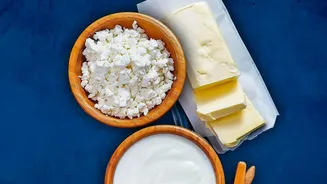
The single most crucial element for successful Dahi Kebabs is properly prepared hung curd. This is non-negotiable. Regular curd contains too much whey, which will make your kebab mixture impossibly wet and cause it to disintegrate during frying. To make hung curd,
take fresh, thick, full-fat curd—ensure it isn't sour, as that will dominate the final flavour. Place the curd in a muslin or cheesecloth set over a strainer, which in turn is placed over a deep bowl to collect the whey. Gather the cloth, tie it securely, and place a heavy weight on top to press out the moisture. Refrigerate this setup for at least 4 to 6 hours, or even overnight. The goal is a thick, creamy mass with a consistency similar to cream cheese, with no dripping whey. If you're short on time, store-bought Greek yogurt can be a good substitute.
Building the Flavourful, Soft Filling
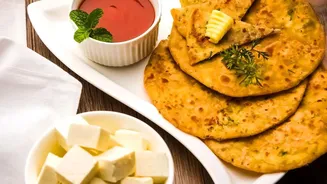
Once your hung curd is ready, transfer it to a mixing bowl. The magic of a Dahi Kebab comes from the balance of textures and flavours within the filling itself. Crumbled paneer is a popular addition, not just for bulk, but for contributing to the soft, melt-in-the-mouth texture. Finely chopped aromatics are essential for flavour. Add finely chopped onions, green chillies, fresh coriander, and a bit of grated ginger. For an added layer of texture and richness, many recipes call for finely chopped roasted cashews. The spice mix is simple but important. Typically, a combination of roasted cumin powder, garam masala, and black pepper is used to complement the tang of the curd without overpowering it. Some recipes also add a pinch of sugar to balance the flavours perfectly.
The Secret to a Kebab That Holds Its Shape
Because hung curd is so delicate, a binding agent is necessary to help the kebabs hold their shape. The most traditional and flavourful choice is roasted besan (gram flour). Roasting the besan in a dry pan over low heat for a few minutes until it's aromatic is a key step; using raw besan will impart an unpleasant, uncooked flavour to the final dish. Start by adding a few tablespoons of the roasted besan to your mixture. Other popular binders include breadcrumbs or even powdered oats. The key is to add just enough to make the mixture manageable and shapeable. If it's still too sticky to form patties, you can add a little more binder, but be careful. Adding too much will result in dense, tough kebabs, robbing them of their signature lightness. After mixing, it's a great idea to refrigerate the mixture for about 30 minutes to an hour; this helps it firm up, making the shaping process much easier.
Shaping and Coating for Maximum Crispiness
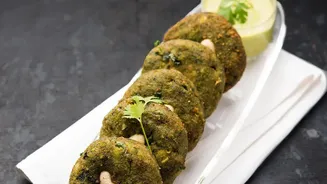
When you're ready to shape the kebabs, lightly grease your palms with a little oil or water to prevent the mixture from sticking. Take a small portion of the chilled mixture and gently form it into a round or oval patty. Aim for a thickness of about half an inch. Don't make them too thick, as this can make them harder to cook through evenly. Once shaped, the final step before frying is to apply a coating that will deliver that coveted crispy exterior. A generous coating of breadcrumbs is the most common method for achieving a uniformly golden and crunchy finish. You can use either store-bought or homemade breadcrumbs. For an extra crunch, some even use crushed cornflakes. Gently roll each patty in the crumbs, ensuring it's evenly coated on all sides.
Frying to Golden-Brown Perfection
You can either shallow-fry or deep-fry your Dahi Kebabs. While shallow-frying uses less oil, deep-frying can be more forgiving for beginners, as the delicate kebabs are less likely to break when they are fully submerged in hot oil. Whichever method you choose, the key is to have the oil heated to a medium-high temperature. If the oil isn't hot enough, the kebabs will absorb too much oil and may fall apart. Gently place the coated kebabs into the hot oil, being careful not to overcrowd the pan. Fry them for a couple of minutes on each side until they are a deep golden brown and crisp. They cook very quickly, so keep a close eye on them. Once fried, transfer them to a plate lined with absorbent paper to drain any excess oil. Serve them immediately while they are hot, with a side of mint chutney for the perfect finish.