






A Diplomatic Arrival
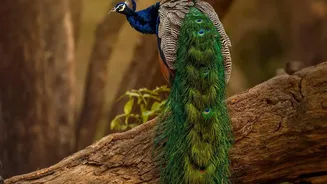
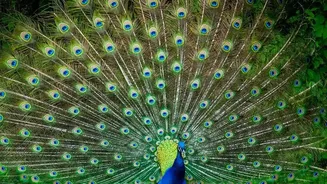
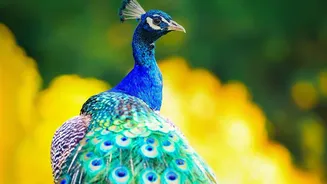
In a special ceremony, India's Permanent Representative to the UN in Geneva, Arindam Bagchi, formally presented the birds to the UNOG Director-General, Tatiana Valovaya. The group consists of five young birds: four classic blue Indian peafowl and one
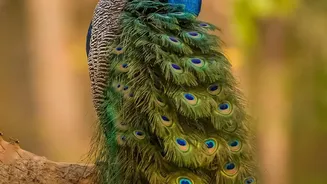
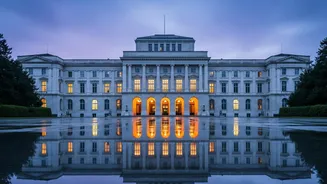
rare and striking white-feathered male. This specific choice of birds carries its own subtle message, with their blue and white plumage echoing the official colours of the United Nations itself. The peacocks will first acclimate in a dedicated enclosure for about three months before they are allowed to roam freely across the 46-hectare park, joining the other resident peafowl. Their care will be overseen by staff from the Geneva Bioparc zoo and UN gardeners.
Feathers of National Pride
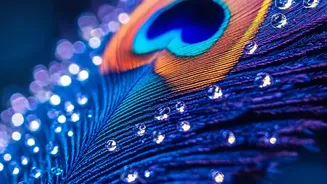
The choice of the peacock is far from random. Designated as the national bird of India in 1963, the Indian Peafowl, or Pavo cristatus, is deeply woven into the subcontinent's cultural and religious fabric. In Hindu mythology, the peacock is revered, often associated with gods and goddesses like Kartikeya, the god of war, who uses it as his mount, and Lakshmi, the goddess of wealth. Its feathers are considered auspicious symbols of prosperity, protection, and beauty, and many households keep them to attract good fortune. The bird symbolises grace, resilience, and the vibrant biodiversity of India, making it a perfect ambassador for the nation's heritage.
The Art of Soft Power
This donation is a classic example of 'cultural diplomacy'—using cultural elements to build relationships and project a positive national image on the world stage. It's a form of 'soft power,' which achieves foreign policy goals through attraction rather than coercion. India has increasingly used its rich cultural heritage, from yoga's global popularity to its vibrant festivals and cinema, as a tool for international engagement. By gifting its national bird, India sends a powerful, peaceful message about its commitment to multilateralism, environmental stewardship, and its long-standing partnership with the United Nations. The gesture was warmly received, with the UN's Geneva office celebrating the new arrivals as the "newest (and most dazzling) diplomats in Geneva."
Reviving a Storied Tradition
The presence of peacocks in Ariana Park is a tradition that predates even the United Nations itself. It began in the late 19th century when the original owner of the estate, Gustave Revilliod, bequeathed the land to the city of Geneva with the condition that his beloved peacocks always be allowed to roam freely. This recent gift from India revives a specific chapter of that history. It is the second time India has donated peacocks to the UN in Geneva. The first instance was in 1981, when then-Prime Minister Indira Gandhi sent a breeding pair from the Delhi Zoo. This new flock will replenish the park's population and ensure the century-old tradition continues for years to come.