


A Fusion Dessert on the Rise
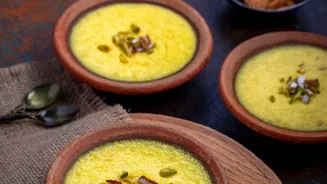
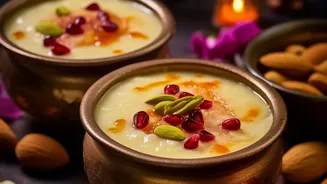
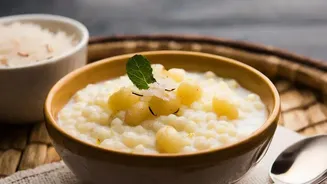
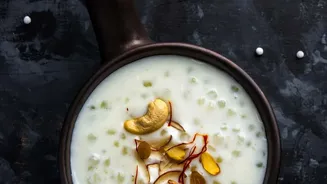
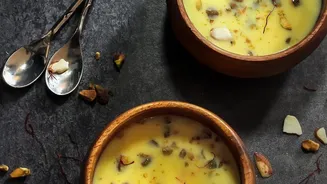
Sabudana Rasmalai is an inventive sweet that has captured the imagination of food lovers, especially as a vrat or fasting-friendly option. It cleverly combines the texture of sabudana (tapioca pearls) with the rich, milky essence of rasmalai. Traditionally,
rasmalai consists of soft paneer or chhena discs soaked in a sweetened, thickened milk known as rabri. This new creation replaces the paneer component with small balls or patties made from cooked and ground sabudana, which are then simmered in the same luxurious milk bath. The result is a dessert that has the chewy, comforting quality of sabudana kheer but is presented and flavoured like classic rasmalai, creating a truly unique textural and taste experience.
The Anchoring Aroma of Cardamom
One of the primary reasons this fusion feels so familiar is the generous use of cardamom, or elaichi. Often called the "Queen of Spices," green cardamom is a cornerstone of Indian desserts. Its complex flavour—sweet, floral, and slightly minty—is deeply embedded in the country's culinary memory. From kheer and gulab jamun to barfi and chai, the scent of cardamom is synonymous with festive foods and comforting treats. In Sabudana Rasmalai, cardamom powder is infused into the sweetened milk, lending its signature warm and inviting aroma. This powerful scent acts as an immediate signal to the senses, triggering associations with a wide array of traditional sweets and making the unfamiliar texture of the sabudana balls feel instantly more recognizable and welcoming.
Saffron: The Golden Thread of Luxury
Working in perfect harmony with cardamom is saffron, or kesar, the world's most prized spice. Saffron imparts a subtle, honey-like floral flavour, a luxurious fragrance, and a beautiful golden-yellow hue to any dish it graces. In Indian culture, kesar is not just a flavouring agent; it is a symbol of celebration, richness, and auspiciousness. Its presence in desserts like kheer, shrikhand, and classic rasmalai elevates them from everyday sweets to special occasion delicacies. In Sabudana Rasmalai, saffron strands are typically soaked in warm milk before being added to the rabri. This process releases their colour and aroma, tinting the milk a delicate gold and infusing it with a fragrance that is unmistakably festive and traditional.
The Power of Flavour Memory
The combination of cardamom and saffron is a classic pairing in Indian cuisine, particularly in milk-based desserts. This powerful duo creates a flavour profile that is deeply ingrained in the cultural palate. When we encounter these aromas, they evoke a powerful sense of nostalgia and comfort—a phenomenon known as flavour memory. Even though the primary component of the dish is the relatively neutral-tasting sabudana, the brain immediately recognizes the familiar signals of kesar-elaichi. This sensory connection bridges the gap between the novel texture of the tapioca pearls and the traditional expectation of rasmalai. The spices essentially tell our brain, "This is a flavour you know and love," allowing us to accept and enjoy the new textural format without feeling that it is entirely alien. It is a masterclass in how to innovate while still paying homage to foundational tastes.
A Modern Twist on a Classic
Ultimately, the evidence supporting the headline's claim is rooted in the cultural and sensory significance of cardamom and saffron in India. These spices are not merely ingredients; they are carriers of tradition. Sabudana Rasmalai's success lies in its intelligent construction: it offers a novel texture and a creative approach but anchors itself firmly in the known and beloved flavours of classic Indian mithai. By keeping the aromatic soul of the dessert intact with a generous hand of kesar and elaichi, chefs and home cooks ensure that each bite, while new and surprising, also feels like coming home. It is a testament to how foundational flavours can provide the perfect scaffolding for culinary creativity, allowing traditional tastes to evolve in exciting new directions.