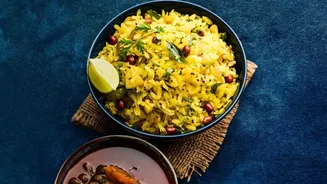



The Classic: Moong Dal Khichdi
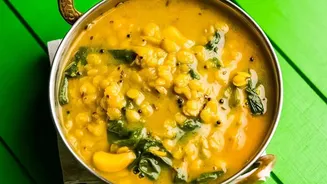
This is the quintessential khichdi, celebrated for its simplicity and digestive benefits. Made from rice and split yellow moong dal, it's a gentle, soothing meal perfect for all ages, from infants to the elderly. The combination creates a complete protein,
while its low glycemic index helps in managing blood sugar. Ayurveda champions this dish for its ability to balance the body and detoxify the system. To prepare, simply pressure cook equal parts rinsed rice and moong dal with turmeric and salt until soft and mushy. A final tempering (tadka) of ghee, cumin seeds, and a pinch of asafoetida elevates this humble dish into a soulful experience. For a fuller meal, you can add chopped vegetables like carrots and peas.
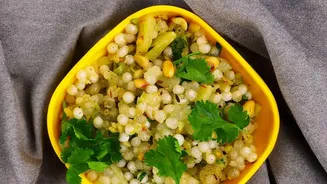
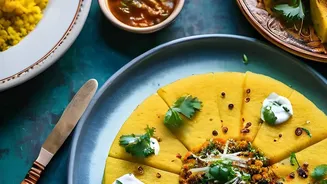
The Fasting Favourite: Sabudana Khichdi
A staple during fasting periods like Navratri and Ekadashi, Sabudana Khichdi offers a delightful change in texture and taste. Made from tapioca pearls (sabudana), it’s a gluten-free dish popular in Western and Northern India. The key to a perfect, non-sticky Sabudana Khichdi lies in soaking the pearls correctly—just until they are soft enough to be mashed easily. To cook, heat ghee and temper it with cumin seeds, curry leaves, and green chillies. Add boiled and cubed potatoes, followed by the soaked and drained sabudana. The dish is finished with a generous amount of coarsely crushed roasted peanuts, a squeeze of lemon juice, and fresh coriander. The result is a flavourful, high-energy meal that is both light and satisfying.
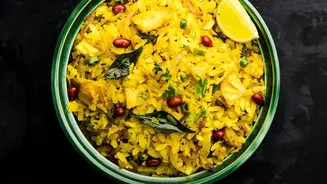
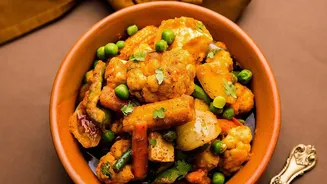
The Modern Twist: Oats Khichdi
For the health-conscious, Oats Khichdi is a fantastic, low-calorie alternative that doesn't skimp on flavour. This version swaps out rice for rolled oats, significantly increasing the fibre content, which aids in weight management and improves digestion. It's an excellent way to incorporate the goodness of oats into a savoury Indian meal. The preparation is quick: start by sautéing onions, ginger, and vegetables like carrots and peas. Add moong dal, spices like turmeric and red chilli powder, followed by the oats and water. Cook until everything is soft and well-combined. This nutrient-dense khichdi is perfect for a light lunch or dinner, providing sustained energy without the heaviness.
The Winter Warmer: Bajra Khichdi
Bajra (pearl millet) Khichdi is a rustic and hearty dish, especially popular in Rajasthan and other parts of North India during the winter. Bajra is a gluten-free superfood rich in iron, magnesium, and fibre, making this khichdi incredibly nutritious. It is known to keep the body warm and is great for managing blood sugar levels due to its low glycemic index. Traditionally made by slow-cooking coarsely ground bajra with moong dal, it has a wonderfully earthy flavour and a creamy texture. Seasoned with simple spices and a generous dollop of ghee, this wholesome meal provides long-lasting satiety and comfort during colder months.
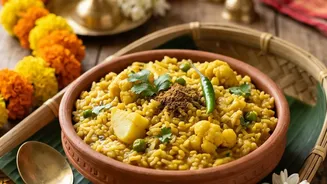
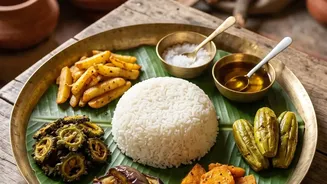
The Festive Feast: Bengali Bhog'er Khichuri
A world away from the simple, palliative versions, the Bengali Bhog'er Khichuri is a rich, aromatic, and celebratory dish. Typically prepared as an offering (bhog) during festivals like Durga Puja, it's a no-onion, no-garlic recipe that is loaded with flavour. It uses fragrant Gobindobhog rice and dry-roasted moong dal, which imparts a nutty aroma. A medley of vegetables like cauliflower, potatoes, and peas are fried in mustard oil and added to the pot. The khichuri is spiced with a paste of ginger and cumin, along with whole spices like bay leaves, cinnamon, and cloves, and finished with a touch of sugar and ghee. This is more than a meal; it's an emotion, evoking the festive spirit with every spoonful.