



Understanding the Water Levels
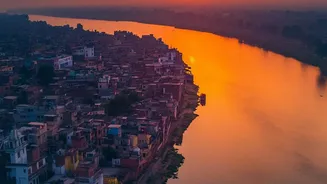
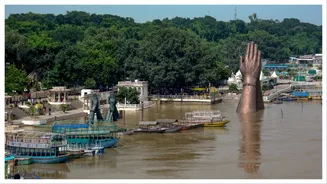
Recent reports from early September confirm the Ganga's water level has surpassed the official 'warning level' of 70.26 meters in Varanasi. On Thursday, September 3, the level was recorded at 70.54 meters and was continuing to rise at a rate of about
two centimeters per hour. It's important for travelers to understand the distinction: the 'warning level' triggers heightened monitoring and precautions. The more critical 'danger level' is set at 71.26 meters. While the situation is serious and authorities are on high alert, the river has not yet reached the official danger mark. However, with more heavy rainfall predicted for the region, the situation remains fluid.
The Impact on Key Tourist Experiences
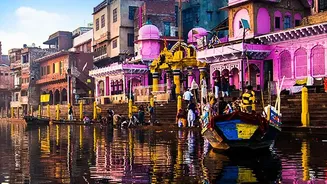
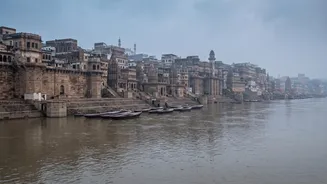
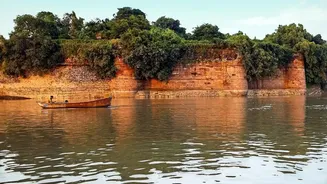
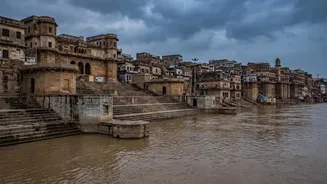
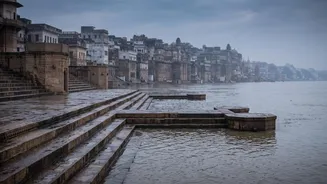
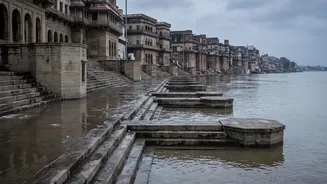
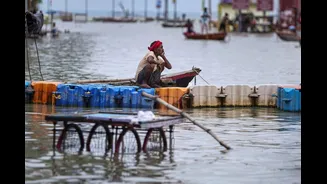
For many visitors, the quintessential Varanasi experience happens on the river and its adjacent ghats. This is where the rising water has the most direct impact. As a safety precaution, the district administration has suspended all passenger boat operations. This means the iconic sunrise and evening boat tours, which provide a panoramic view of the ghats and ceremonies, are currently unavailable. Many of the ghats themselves, the long flights of steps leading down to the river, are partially or fully submerged. This makes the traditional walk along the riverfront difficult and potentially hazardous due to slippery conditions. Even the famous cremation grounds at Manikarnika Ghat have been affected, with last rites being performed on the rooftops of nearby buildings as the lower areas are inundated.
Beyond the Ghats: The Rest of the City
While the focus is on the Ganga, it's crucial to know that the flooding is primarily a riverfront issue. The main city, including most hotels, restaurants, markets, and major temples like the Kashi Vishwanath, is largely operating as usual. The airport and train stations remain functional. However, the monsoon season brings its own set of challenges. Heavy downpours can lead to temporary waterlogging in the city's narrow lanes and cause traffic disruptions. A secondary river, the Varuna, has also caused some flooding in specific residential localities, affecting hundreds of families who have been moved to relief camps. Tourists should be prepared for high humidity, potential for intense rain showers, and an increase in mosquitoes.
Official Advisories and Local Guidance
Authorities are taking the situation seriously. Police and National Disaster Response Force (NDRF) teams are monitoring the affected areas. Officials have explicitly urged residents and tourists to avoid venturing onto the submerged ghats or into areas with strong currents. Any boatman offering an informal ride during the official suspension is operating against regulations and taking a significant risk. The administration is focused on ensuring the safety of residents in low-lying areas and has set up multiple relief camps. For travelers, the message is one of caution: heed all official warnings and restrictions.
Making the Call: To Go, Postpone, or Adapt?
So, should you cancel? The answer depends on your expectations. If your dream trip to Varanasi is centered on a sunrise boat ride and leisurely walks along the ghats, the current situation will be a significant disappointment. The core riverfront experience is undeniably compromised. However, if you are an adaptable traveler interested in the city's broader cultural and spiritual life—visiting temples, exploring markets, and experiencing the city's energy away from the immediate riverbank—a trip is still viable, albeit with adjustments. Visiting during the monsoon offers a different perspective: fewer crowds and a dramatic, powerful view of the river. If you decide to go, pack for rain and humidity, choose accommodation on higher ground away from the river, and build flexibility into your schedule. If you're looking for the classic Varanasi experience, postponing your trip until October or later, after the monsoon has passed and water levels have receded, would be a wise decision.