



Why Go Natural with Beetroot?
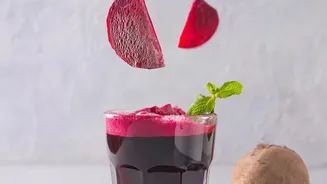
In a world of harsh chemical dyes, beetroot is a refreshing, kitchen-fresh alternative. This vibrant vegetable is packed with natural pigments called betalains, which impart a temporary reddish or burgundy hue to your hair. Beyond the colour, it's a nourishing
powerhouse, rich in antioxidants, iron, and vitamins that can boost scalp health and add a brilliant shine. Unlike synthetic dyes that can leave hair brittle, beetroot conditions your mane, making it a gentle choice for those with sensitive skin or anyone looking to avoid chemical damage. It’s the perfect way to experiment with a subtle new look that’s both beautiful and beneficial.
The Non-Negotiable Strand Test
Think of a strand test as a sneak peek, a crucial preview before the main event. This simple procedure is the key to avoiding a hair colour disaster. It allows you to see exactly how the beetroot dye will react with your unique hair colour and texture. Will it be a subtle auburn tint or a more vibrant pinkish-red? The strand test holds the answer. It also helps you determine the perfect processing time—whether you need one hour or more to achieve your desired depth. Most importantly, it’s a safety check. While beetroot is natural, it is still wise to check for any potential irritation before applying the mixture to your entire scalp. This small step saves you time, guesswork, and potential regret.
Gathering Your Supplies
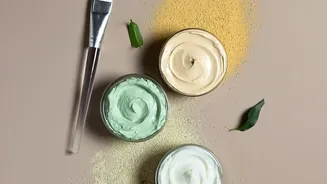
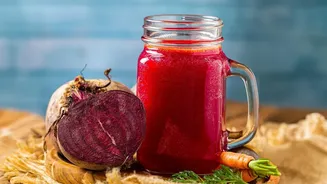
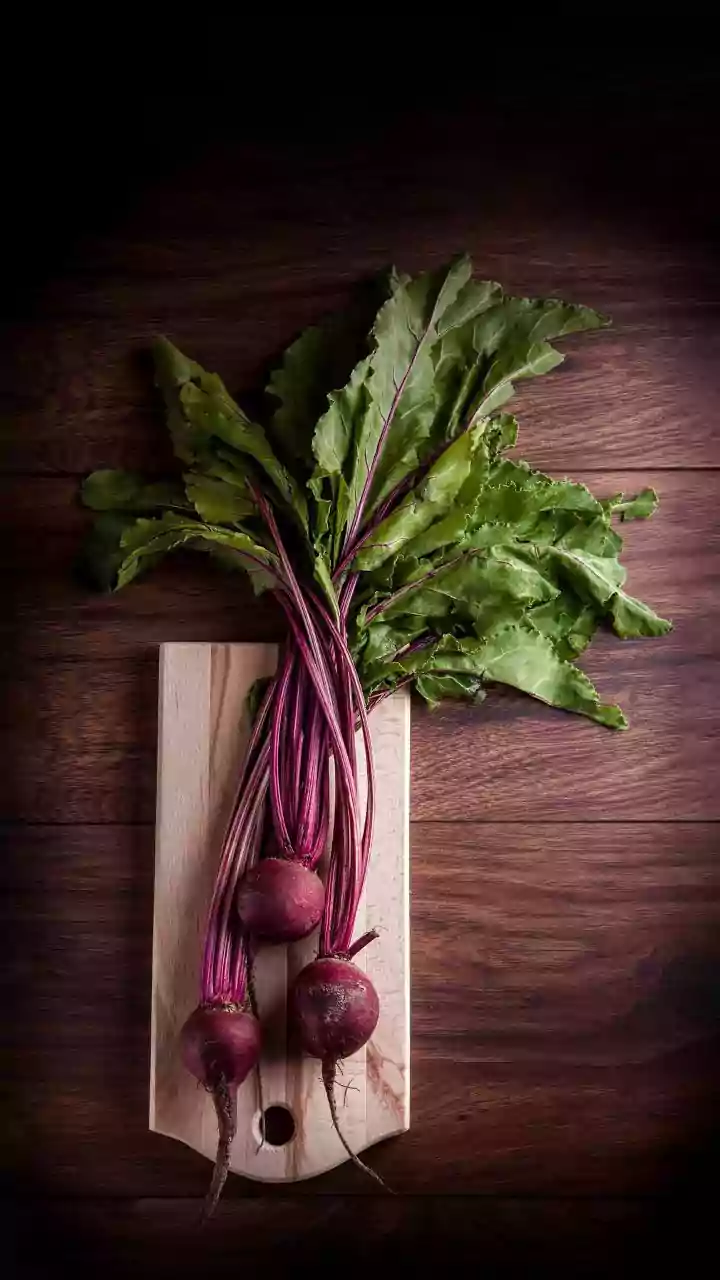
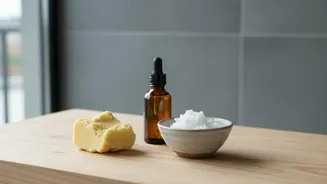
The beauty of this DIY project lies in its simplicity. You likely have everything you need in your kitchen already. You will require one or two fresh beetroots, depending on the length and thickness of your hair. You'll also need a carrier oil, such as coconut or olive oil, to add moisture and help the colour last longer. To prepare the dye, have a juicer or blender, a strainer, and a mixing bowl ready. For the application, make sure you have a pair of gloves to prevent staining your hands, an applicator brush, and some petroleum jelly to protect your hairline. Finally, a shower cap or some plastic wrap will come in handy to cover your hair while the colour develops.
Step-by-Step: The Perfect Strand Test
Once your supplies are ready, it's time for the test. First, prepare the dye by peeling and chopping the beetroot, then blending it to extract the juice. Strain the pulp out. Mix the fresh juice with a tablespoon or two of your chosen carrier oil. Now, select a small, one-inch section of hair from a hidden area, like the nape of your neck or from underneath the top layer of your hair. Wearing your gloves, apply the beetroot mixture thoroughly to this strand. You can wrap it in a small piece of foil to keep it separate from the rest of your hair. Let it sit for at least one to two hours; you can even leave it on longer for a more intense shade. After the time is up, rinse the strand with cool water until it runs clear, and let it air dry completely.
Reading Your Results and What to Expect
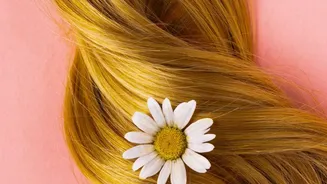
Now for the moment of truth. Examine your dry test strand in natural daylight to see the true colour. On lighter hair, like blonde or light brown, you might see a more noticeable reddish or even pinkish tint. For those with dark brown or black hair, the effect will be more subtle, revealing a beautiful burgundy or deep purple shine, especially in the sunlight. This is also your chance to check the condition of your hair; it should feel soft and nourished. Remember, beetroot dye is a temporary tint, not a permanent colour. The vibrant hue will typically last for a few washes, fading gradually. If you love the result, you can confidently proceed with dyeing your whole head, knowing exactly what beautiful, natural colour awaits.