


A Fasting Favourite
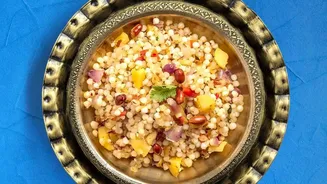
Sabudana, or tapioca pearls, is a staple during fasting periods like Navratri in India. Composed mainly of starch, it provides a quick source of energy, which is essential during a fast. Beyond its functional purpose, its unique, chewy texture and ability
to absorb flavours make it a versatile base for many beloved dishes, from khichdi to vadas. This paratha combines sabudana with boiled potatoes, another fasting-approved ingredient, to create a meal that is both satisfying and compliant with 'vrat' dietary customs.
Gathering Your Ingredients
The beauty of this recipe lies in its simplicity. For about six parathas, you will need: - 1 cup of sabudana (tapioca pearls) - 2 to 3 medium-sized potatoes, boiled, peeled, and mashed - ½ cup of raw peanuts, roasted and coarsely crushed - 2 green chillies, finely chopped (adjust to your spice preference) - 1 inch of ginger, grated (optional) - A generous handful of fresh coriander leaves, chopped - Sendha namak (rock salt) to taste - ½ teaspoon of cumin seeds (jeera) - Ghee or oil for cooking
The Secret to the Perfect Dough
The foundation of a great Sabudana Paratha is the dough. The key is managing moisture. Start by thoroughly washing the sabudana under running water to remove excess starch. Then, soak it in just enough water to cover the pearls for about 4-6 hours, or until a pearl easily mashes between your fingers. Drain any excess water completely. In a large bowl, combine the soaked sabudana, mashed potatoes, crushed peanuts, green chillies, ginger, coriander, cumin seeds, and sendha namak. Mix and knead everything together until it forms a uniform, non-sticky dough. The mashed potato acts as a binding agent, while the crushed peanuts will add to the final crunch. If the dough feels too sticky, you can add a tablespoon of buckwheat flour (kuttu ka atta) or singhara flour (water chestnut flour) if you have it.
Tips for That Extra-Crisp Finish
Achieving the promised crispiness is all about technique. First, ensure your sabudana is not over-soaked, as excess moisture is the enemy of a crispy finish. Second, be generous with your ghee or oil while cooking; it's essential for creating a golden-brown and crisp exterior. Cook the parathas on a medium-hot tawa or pan. A flame that's too low will make them hard, while a flame that's too high will burn the outside before the inside is cooked. Finally, press down gently on the paratha with a spatula as it cooks. This helps it cook evenly and develop a uniformly crisp crust.
Shaping and Cooking the Parathas
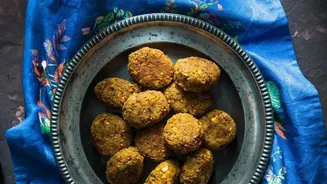
Sabudana dough can be delicate and prone to breaking. A clever trick is to use a sheet of butter paper or plastic. Grease the sheet with a little oil or ghee, place a lemon-sized ball of dough on it, cover with another greased sheet, and then gently roll it out to your desired thickness. This prevents the dough from sticking to the rolling pin or surface. For perfectly round parathas, you can use a large cookie cutter or the lid of a container to trim the edges. Heat your tawa over a medium flame and add a little ghee. Carefully lift the paratha (the plastic sheet makes this easy) and place it on the tawa. Cook for a few minutes until one side has golden-brown spots, then flip. Apply more ghee to the top side, flip again, and cook until both sides are beautifully crisp and golden.
Serving and Enjoying
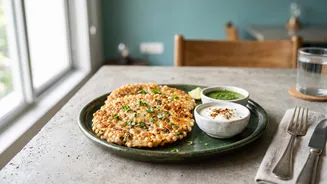
Sabudana Parathas are best served hot, straight off the tawa, to be enjoyed at their crispy best. The classic accompaniment is a simple bowl of plain curd (dahi), which offers a cooling contrast to the warm, savoury paratha. You can also serve it with a 'vrat-friendly' green chutney made from coriander, mint, green chillies, and rock salt. The combination of the crisp paratha and a tangy, fresh dip makes for a truly complete and satisfying festive meal.