





The Science of Freezer Burn
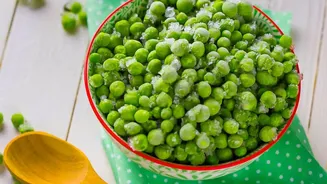
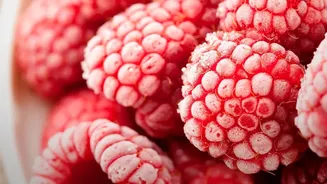
The most common type of storage damage is freezer burn. It occurs when moisture from the vegetables escapes and refreezes on the surface as ice crystals. This process, known as sublimation, is essentially dehydration. It’s caused by exposure to the cold,
dry air inside your freezer, which is often a result of improper packaging, temperature fluctuations, or simply leaving the food frozen for too long. While any food can get freezer burn, those with high water content, like vegetables, are particularly susceptible.
Signs of a Damaged Vegetable
Identifying storage-damaged vegetables is straightforward once you know what to look for. The most obvious sign is the presence of ice crystals coating the food. The vegetables themselves may look dull, faded, or pale. You might also notice dry, shrivelled, or leathery patches. In some cases, the vegetables will shrink in size as they lose moisture. While these changes look unappetizing, it's important to know that freezer-burned food is generally safe to eat; the issue is one of quality, not safety. The food hasn't spoiled in a dangerous way, but its taste and texture have been significantly compromised.
The Impact on Taste, Texture, and Nutrition
When you cook freezer-burned vegetables, the damage becomes even more apparent. Because they've lost so much moisture, their texture can become tough, dry, woody, or mushy. The flavour is also affected, often tasting bland or flat. While the freezing process itself doesn't destroy major nutrients, some water-soluble vitamins, like vitamin C and B vitamins, can be lost when moisture escapes during long-term storage or through processes like blanching before freezing. However, for the most part, the nutritional value remains largely intact, even if the eating experience doesn't.
How to Properly Store Frozen Vegetables
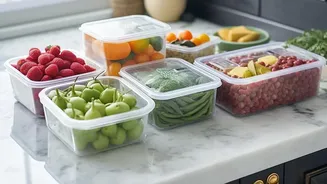
Prevention is the best strategy for avoiding freezer burn. The key is to minimise air exposure and maintain a consistent temperature. Start by using airtight containers or high-quality freezer bags, and be sure to remove as much air as possible before sealing. If you have a vacuum sealer, this is the ideal tool for the job. Avoid placing hot foods directly into the freezer, as this can raise the internal temperature and cause nearby items to partially thaw and refreeze, leading to larger ice crystals. Try to keep your freezer set at a consistent 0°F (-18°C) or below and limit how long you keep the door open. Finally, practice a 'first in, first out' system, using older items before newer ones to ensure nothing stays in the freezer for too long.
Can You Salvage Freezer-Burned Veggies?
If you discover a bag of vegetables with mild freezer burn, you don't necessarily have to throw it away. While they won't be great as a simple side dish where texture is key, you can salvage them in other recipes. The best way to use them is in dishes where texture is less noticeable, such as soups, stews, casseroles, or sauces. Blending them into a smoothie is another excellent option. You can rinse off some of the ice crystals before cooking and add extra seasonings to compensate for the loss of flavour. For more severely damaged vegetables, where the taste and texture are too compromised, tossing them may be the best choice.