


Meet a New Class of Cosmic Explorer
While giant observatories like the James Webb Space Telescope provide breathtaking, all-encompassing views of the universe, another class of mission is rapidly gaining importance: the small, focused explorer. Missions developed under programs like NASA's
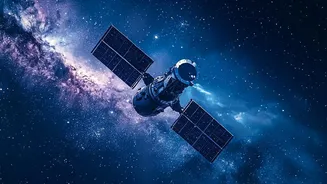
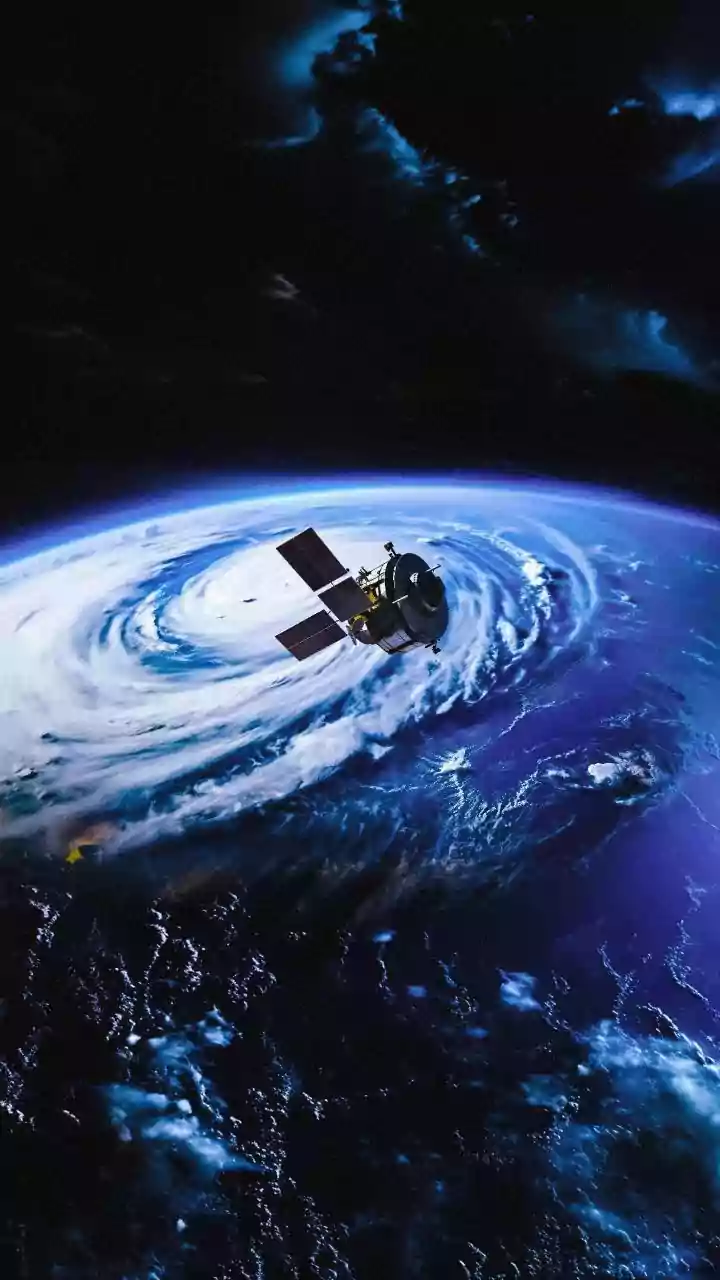
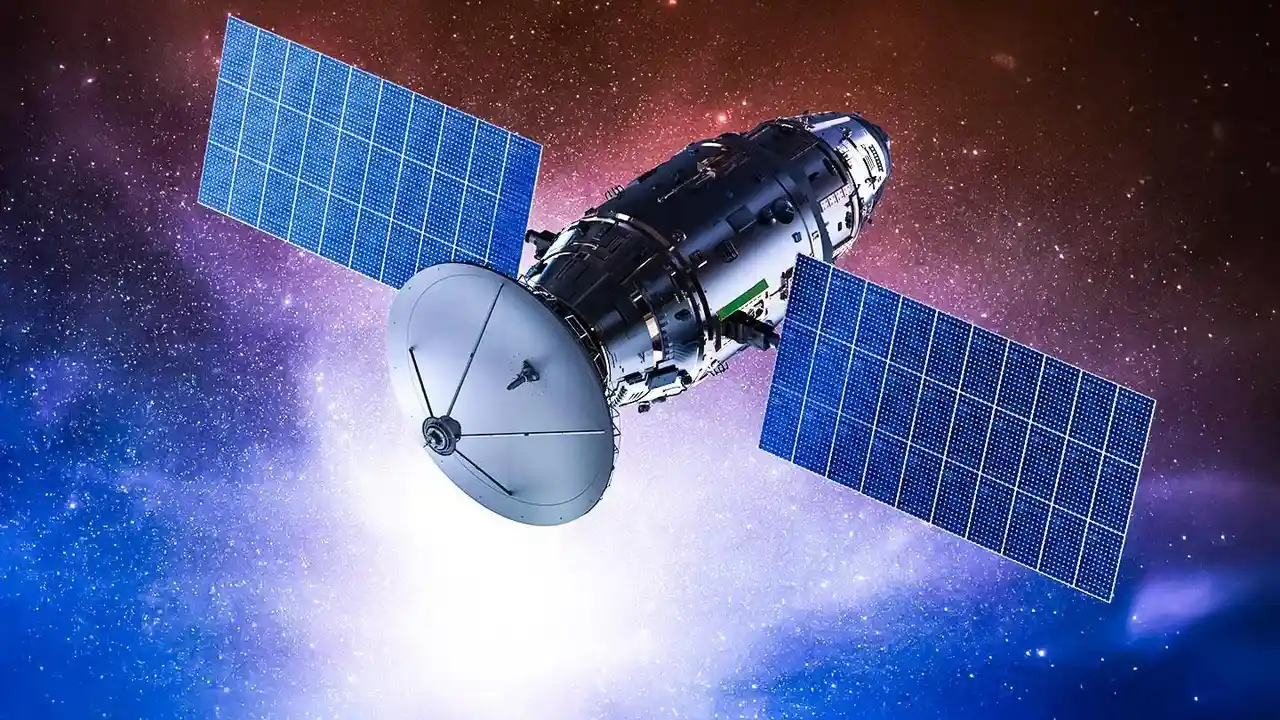
Astrophysics Pioneers are designed to be quicker to develop and more targeted in their scientific goals. A great example is a newly funded mission known as PUFFINS, which stands for 'Polarimetry in the Ultraviolet to Find Features in INterStellar dust'. Led by the University of Arizona, this $20 million SmallSat (small satellite) mission will not attempt to do everything. Instead, it has one specific, crucial job: to study the fine dust that drifts between the stars. By focusing on a single, unanswered question, these 'pioneer' missions complement the work of their larger cousins, filling in critical gaps in our cosmic knowledge at a fraction of the cost.
Chasing the Dust Between the Stars
So, why dedicate an entire mission to interstellar dust? These tiny particles, often smaller than a wavelength of visible light, make up only about 1% of the visible mass in our galaxy, but their influence is enormous. This dust plays a key role in how stars and planets form, how galaxies regulate their temperature, and how chemical elements are distributed across the cosmos. However, much about the smallest dust grains remains a mystery. PUFFINS will tackle this by reviving a technique that hasn't been used in space for nearly three decades: ultraviolet spectropolarimetry. In simple terms, it will study how starlight is filtered and changed as it passes through clouds of dust. By measuring a property of light called polarization, scientists can learn about the dust's composition, shape, and how it aligns with the galaxy's magnetic fields—details that are impossible to see with other methods.
The Technology of a Focused Mission
To achieve its goals, PUFFINS will carry a specialized 10-inch telescope—about the size of a dinner plate—into low-Earth orbit. This telescope will feed light to an instrument called a spectropolarimeter, which simultaneously measures the intensity of light at different ultraviolet wavelengths and its polarization. The mission will observe approximately 70 different stars, chosen because their light travels through diverse cosmic environments, from stellar nurseries to the nearby Magellanic Clouds. These observations will create a 3D map of how dust properties vary across different parts of our galactic neighborhood. This highly specific technology is a prime example of how modern astronomy is not just about building bigger telescopes, but also about creating smarter, more specialized ones to answer targeted questions.
The Busy Skies of the Late 2020s
While an official launch date for PUFFINS is set for early 2030, the spirit of its exploration fits perfectly within the exciting astronomical landscape of the late 2020s. The year 2029 itself is notable, as it will see the extremely close pass of the asteroid Apophis, an event that will be studied by the repurposed OSIRIS-APEX spacecraft. This era will also feature powerful new observatories. The Nancy Grace Roman Space Telescope, launched in 2026, is currently mapping huge swathes of the sky, hunting for exoplanets and studying dark energy. A new class of privately funded observatories is also set to come online by 2029, including the Lazuli space telescope, which will boast a larger mirror than Hubble. A mission like PUFFINS will not operate in isolation; its unique data on interstellar dust will provide crucial context for the discoveries made by these other powerful telescopes, creating a more complete and detailed picture of the universe.