





The Origin of the Myth: A NASA Study
The belief that houseplants can scrub the air clean largely stems from a 1989 NASA report called the Clean Air Study. Researchers, looking for ways to purify the air in sealed environments like space stations, placed common houseplants in small, airtight
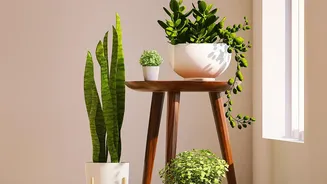
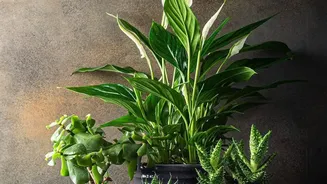
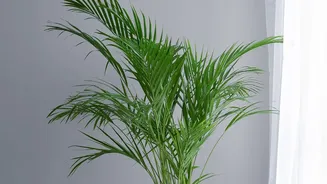
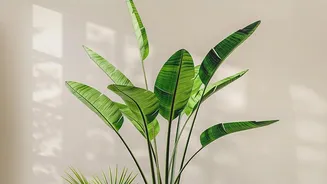
chambers. They then injected volatile organic compounds (VOCs) like formaldehyde and benzene—chemicals often found in synthetic materials, furniture, and cleaning products. The results were promising: plants like the peace lily, snake plant, and spider plant were shown to remove a significant percentage of these pollutants from the sealed chambers over 24 hours. This groundbreaking study seemed to offer a simple, natural solution for indoor air pollution, and the idea of 'NASA-approved' air-purifying plants was born.
The Reality Check: From Lab to Living Room
While the NASA study was scientifically sound for its specific conditions, its findings are often misinterpreted when applied to a typical home. The experiments were conducted in small, sealed chambers, which bear little resemblance to our larger, ventilated houses and apartments. In a real home, the air is constantly being exchanged with outdoor air through windows, doors, and ventilation systems. Subsequent analysis by other researchers concluded that this natural air exchange is far more effective at diluting indoor pollutants than a few houseplants. To achieve the same air-cleaning effect seen in the lab, you would need an impractical number of plants—some estimates suggest anywhere from 10 to 1,000 plants per square meter of floor space. One review calculated that a typical 1,500-square-foot home would require around 680 plants to make a significant impact.
What Really Cleans Your Indoor Air?
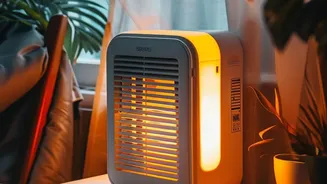
If a few potted plants won't solve your indoor air quality issues, what will? According to the U.S. Environmental Protection Agency and other health organizations, the most effective strategies are source control and ventilation. Source control means removing or reducing the things that release pollutants in the first place. Ventilation is simply about increasing the flow of outdoor air into your home. This can be as simple as opening your windows for a few minutes each day to let fresh air circulate. For those with significant concerns about pollutants like dust, pollen, or smoke, a high-efficiency particulate air (HEPA) filter or a dedicated air purifier is a much more effective solution than relying on plants.
The True, Proven Benefits of Houseplants
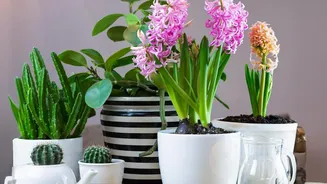
This doesn't mean you should give up on your green friends. While their air-purifying powers may be overstated, the benefits of having plants indoors are numerous and well-documented. Studies have shown that interacting with plants can reduce stress, lower blood pressure, and improve your overall mood. The presence of greenery has been linked to increased focus, productivity, and creativity, making them a great addition to a home office. There's also the simple aesthetic pleasure they bring, adding life and beauty to our living spaces. Caring for a plant can provide a sense of accomplishment and a connection to nature, which has its own set of psychological rewards. So, even if they aren't working overtime to clean your air, plants are still incredibly good for your well-being.