
Ghugni: The Hearty Pea Curry
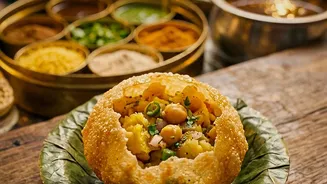
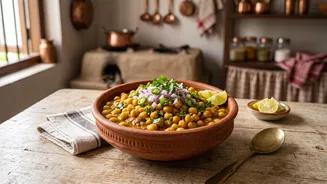
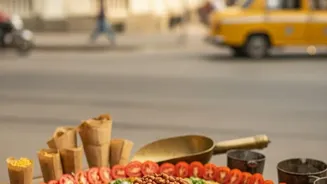
A cornerstone of Bengali snacking, Ghugni is a comforting and flavourful curry made from dried white or yellow peas. The peas are slow-cooked with onions, ginger, and a blend of spices until tender. It's typically served hot, garnished with freshly chopped
onions, green chillies, a sprinkle of roasted cumin powder known as 'bhaja moshla', and sometimes a dash of tangy tamarind water or a squeeze of lemon. This versatile dish can be enjoyed on its own as a hearty street-food style snack or paired with puffed bread like Luchi for a more substantial offering.
Nimki: The Salty Diamond Cracker
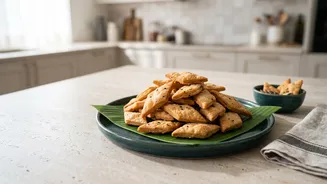
No Bengali tea time is complete without Nimki, a crunchy, savoury, diamond-shaped cracker. Made from a simple dough of refined flour (maida), salt, oil, and the distinctive flavour of nigella seeds (kalo jeera), these are deep-fried until golden and crisp. Nimki comes in various forms, from the small, bite-sized 'kucho nimki' to larger, flakier versions. They are incredibly addictive and can be stored in an airtight container for weeks, making them the perfect ready-to-serve snack for unexpected guests. Their salty, flaky texture provides a wonderful contrast to sweet treats they are often served alongside.
Shingara: Not Just a Samosa
While it may resemble the popular samosa, a true Bengali will insist a Shingara is in a class of its own. The key differences lie in the texture and the filling. A Shingara's pastry is typically flakier and lighter. The filling is often a subtly sweet and spicy mixture of potatoes, peanuts, and, especially in winter, cauliflower and green peas. The use of Bengali five-spice mix 'panch phoron' gives it a distinct aroma and flavour that sets it apart. It's a beloved snack enjoyed by people of all ages, especially with evening tea.
Telebhaja: The Fritter Family
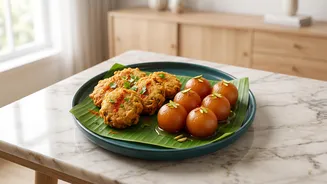
Telebhaja, which literally translates to 'fried in oil', is a broad category of fritters that are a quintessential part of Bengali snacking culture. The concept is simple: a vegetable or other ingredient is dipped in a seasoned gram flour (besan) batter and deep-fried to crispy perfection. Popular varieties include 'Beguni' (eggplant slices), 'Aloor Chop' (spiced potato patties), and 'Peyaji' (onion fritters). These hot, crispy delights are often served with puffed rice (muri) and are especially popular during the monsoon season, offering a comforting warmth against the rain.
Kochuri and Aloor Dom: A Classic Combo
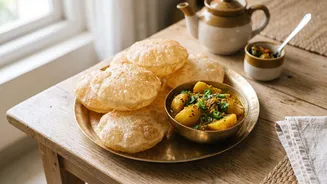
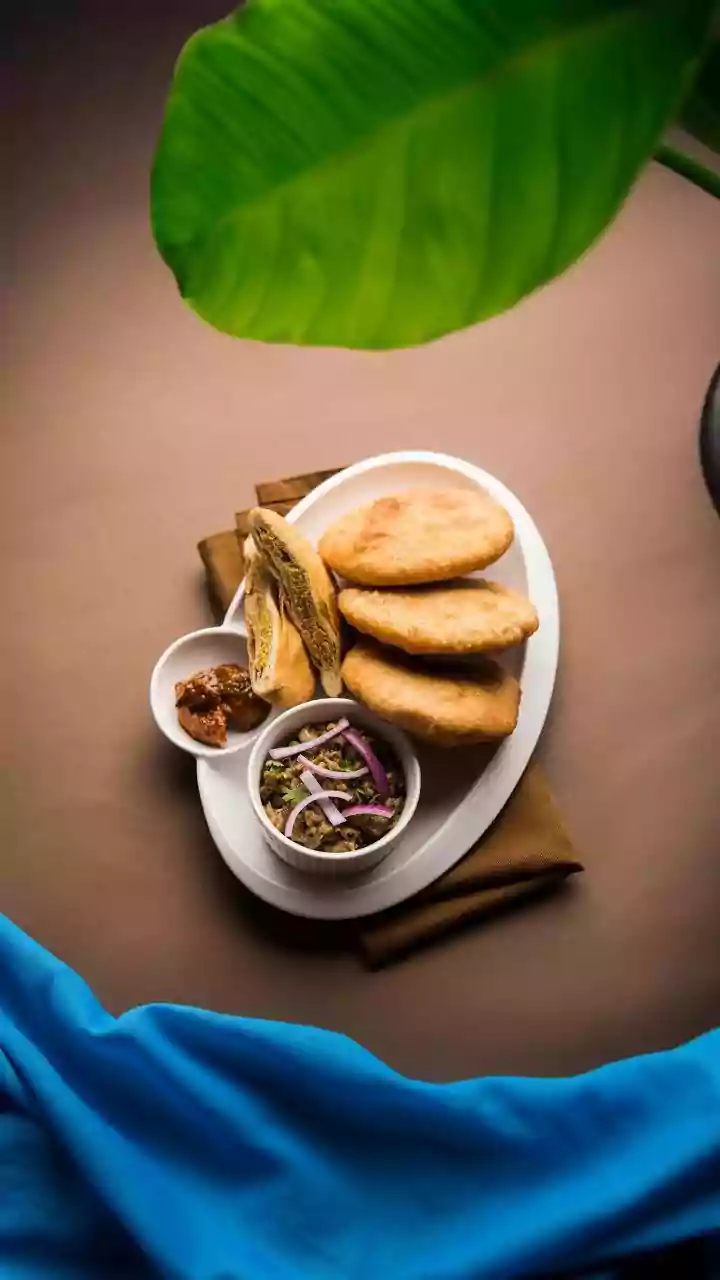
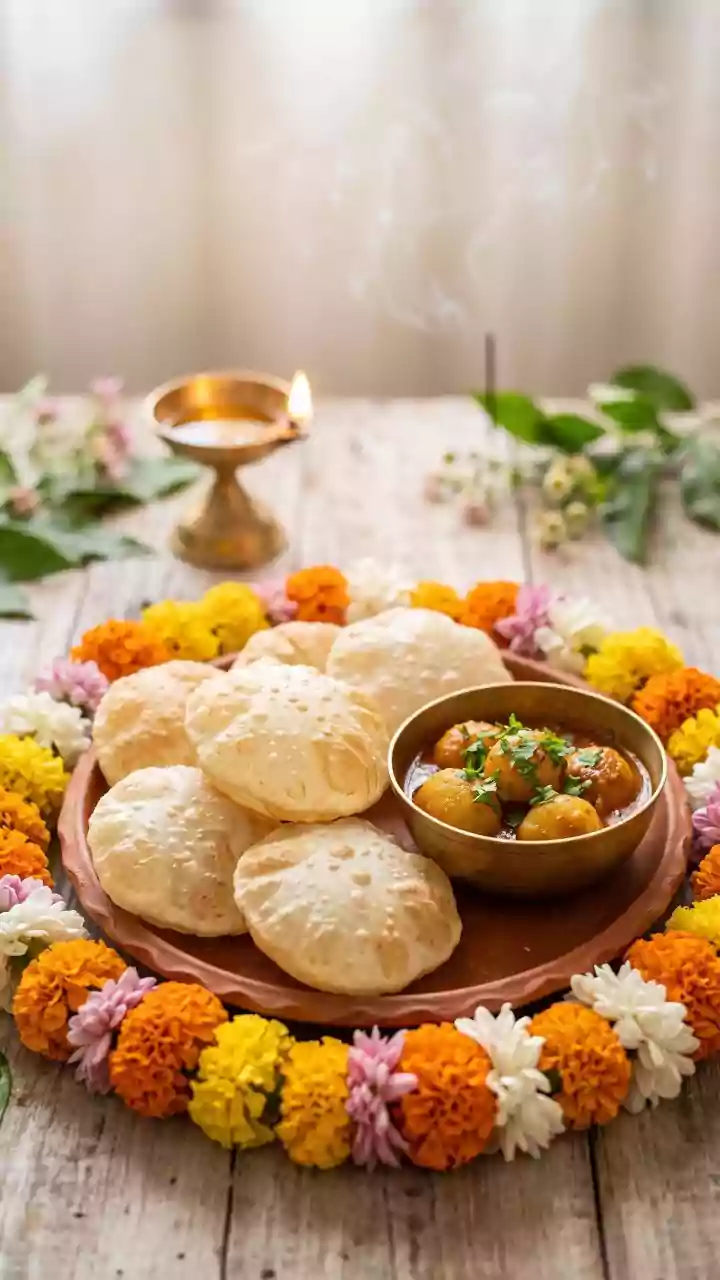
For a more filling snack or a special breakfast, Kochuri with Aloor Dom is a celebrated choice. Kochuri is a deep-fried, puffy bread, similar to a poori, but it is stuffed. The most famous winter variation is 'Koraishutir Kochuri', filled with a spiced green pea mash. Another popular type is 'Radhaballabhi', which has a lentil-based filling. This is almost always served with Aloor Dom, a slow-cooked spicy potato curry, creating a combination of textures and flavours that is deeply satisfying and quintessentially Bengali.
A Touch of Sweetness: Mishti
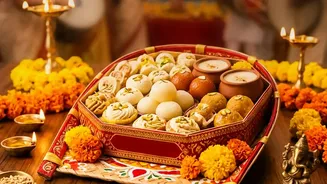
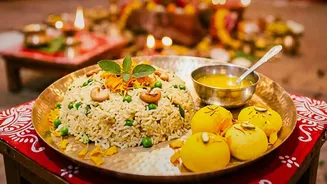
A Bengali snack spread is incomplete without a touch of 'mishti' (sweet). While elaborate desserts are reserved for bigger meals, it's common to serve one or two simple sweets alongside the savoury items. Classic choices include Sandesh, a delicate sweet made from fresh cottage cheese (chhena), or the iconic Rosogolla, soft and spongy cheese balls soaked in a light sugar syrup. These sweets provide a perfect counterpoint to the spicy and savoury flavours of the other snacks, rounding out the hospitable offering.