





A Fresh Infusion of Funds
In early August 2026, the Andhra Pradesh Cabinet, led by Chief Minister N. Chandrababu Naidu, approved several key proposals to restart the Amaravati project. This includes clearing over ₹1,000 crore for the construction of the Quantum Valley Twin Towers
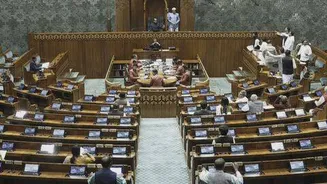
and sanctioning revised funds for the assembly and high court complexes. Furthermore, the cabinet ratified the Capital Region Development Authority's decision to raise a ₹300-crore loan to pay annuities to farmers who participated in the land pooling scheme. These financial moves signal a determined push to get the stalled dream capital back on track after years of inactivity.
The Original Grand Vision
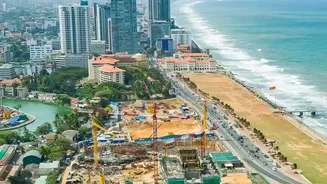
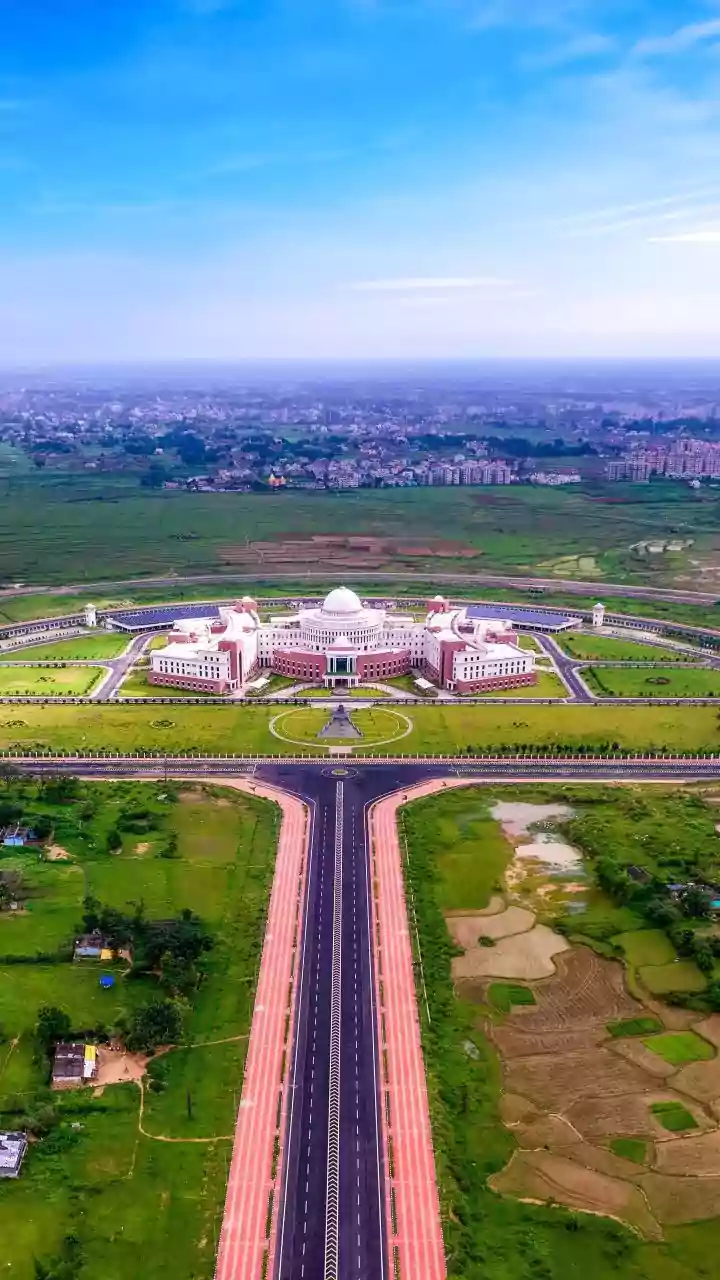
The idea for Amaravati was born after the bifurcation of Andhra Pradesh in 2014, which left the state without a capital city. Under the leadership of then-Chief Minister Naidu, a grand vision was formed for a world-class, sustainable city built from the ground up on the banks of the Krishna River. The project was notable for its innovative land pooling scheme, through which over 25,000 farmers voluntarily gave up around 33,000 acres of land in exchange for a share in the developed city. With a master plan developed by Singaporean firms and British architects, Amaravati was envisioned with nine distinct themed cities for finance, justice, health, and more, promising to be a major economic engine.
A Project Derailed by Politics
Construction on the capital was underway when a change in government in 2019 brought the project to a grinding halt. The new administration under Y.S. Jagan Mohan Reddy abandoned the single-capital concept in favor of a controversial three-capitals plan, which would have distributed the state's executive, legislative, and judicial functions across different cities. This political reversal plunged Amaravati into a state of uncertainty. International partners, including a Singapore consortium and the World Bank, pulled out, citing the changed priorities and other concerns. For nearly five years, the partially built structures and empty roads stood as a ghost city, a symbol of intense political rivalry.
More Than Money is Needed
While the new funding is a critical first step, money alone won't build the city. The project faces enormous challenges that have compounded over years of neglect. Rebuilding investor confidence after the previous government's abrupt policy shift is a primary hurdle. There are also significant logistical issues, including reports of severe labor shortages and concerns about the living conditions for construction workers, which were flagged by a World Bank delegation. Beyond the concrete and steel, the government must also rebuild trust with the thousands of farmers whose futures are tied to the promises made under the land pooling scheme.
A Long and Winding Road Ahead
Building a capital from scratch is a monumental task that takes decades, not years. Even with renewed political will and fresh capital, the journey for Amaravati is long. Experts caution that the project has lost significant momentum, and accelerating the work will require overcoming bureaucratic hurdles and avoiding the political pitfalls of the past. The government's new Public-Private Partnership (PPP) Policy is aimed at attracting the private investment necessary to realize a project of this scale. The ultimate success of Amaravati will depend on sustained political stability, consistent funding, and the ability to attract businesses and residents to a city that is still largely a blueprint.