





A Dream Forged at ISRO
The story of Skyroot begins not in a boardroom, but within the esteemed halls of the Indian Space Research Organisation (ISRO). In 2018, two former ISRO scientists, Pawan Kumar Chandana and Naga Bharath Daka, decided to take a monumental leap of faith.
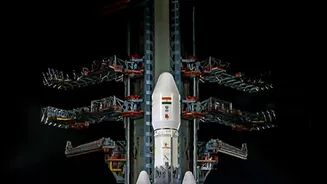
Having worked on some of India’s most prestigious launch vehicles, including the GSLV Mk-III, they shared a vision: to make space accessible and affordable by building rockets privately. At a time when India's space sector was almost entirely state-dominated, their ambition to create a commercial launch service was both audacious and fraught with uncertainty. They saw the future, but they needed someone to help them build it.
The High-Stakes Funding Hurdle
Building a rocket company is unlike launching a software startup. It requires immense capital for research, hardware, testing, and manufacturing, with long development cycles and no guarantee of success. In 2018, the regulatory framework for private space ventures in India was still unclear, making investors deeply skeptical. For most venture capitalists, the idea of funding a private Indian rocket company seemed more like science fiction than a sound investment. Chandana and Daka faced the daunting task of convincing someone to back their high-risk, hardware-intensive dream when most investors preferred the faster, safer returns of the consumer internet boom.
An Entrepreneur’s Crucial Backing
In a pivotal moment, the founders sent a cold message on LinkedIn to Mukesh Bansal, the renowned entrepreneur behind Myntra and Cult.fit. Intrigued by their audacity, Bansal met with them. He saw past the regulatory uncertainty and technological risks, focusing instead on the founders' passion and deep expertise. In 2018, Bansal made a decisive move, becoming Skyroot's first and sole angel investor. His initial investment of around ₹10 crore was part of a larger ₹12 crore commitment he made across early rounds. This wasn't just money; it was a powerful vote of confidence from one of India's most respected entrepreneurs, coming nearly two years before institutional venture capital firms would join.
From Capital to Cosmos
That initial capital was the lifeblood that allowed Skyroot to transform from a bold idea into a functioning company. The funds were instrumental in building their core team, developing foundational propulsion technologies, and conducting critical early tests. It enabled the engineering work that would lead to their Vikram series of launch vehicles, named after the father of India's space program, Dr. Vikram Sarabhai. Bansal's support didn't stop there; when the COVID-19 pandemic squeezed finances, he injected another ₹2 crore to ensure the team stayed intact, preserving the company's momentum during a critical phase. This patient capital was key to navigating the long and arduous path of rocket development.
A Promise Fulfilled
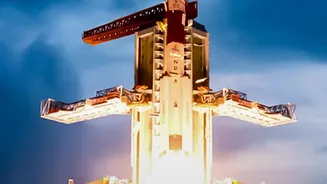
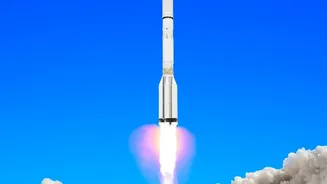
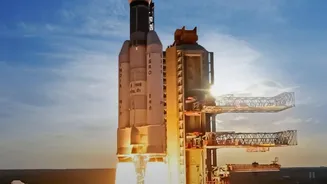
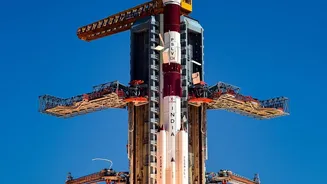
The culmination of this early belief and hard work came on November 18, 2022, when Skyroot successfully launched Vikram-S, India's first-ever privately developed rocket. This suborbital flight, named Mission Prarambh (The Beginning), was a resounding success and a historic moment for the country. It proved that a private Indian company could indeed build and launch a rocket, opening the floodgates for further investment and validating the government's 2020 reforms to open up the space sector. More recently, on July 18, 2026, the company achieved its even bigger goal of launching the orbital-class Vikram-1 rocket, cementing its place in history. Today, Skyroot is a space-tech unicorn valued at over a billion dollars, a testament to what can be achieved with a powerful vision and the right backing.