

The Nutritional Power of Ragi
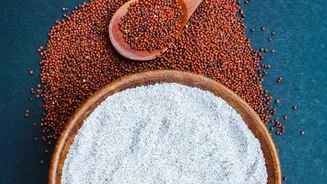
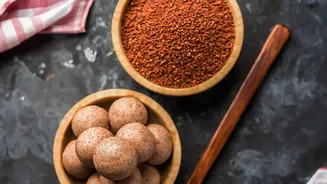
Ragi stands out as a nutritional powerhouse for several reasons. It is one of the best plant-based sources of calcium, which is crucial for maintaining strong bones and teeth. A 100-gram serving of ragi flour can contain a significant amount of your daily
calcium needs. Beyond calcium, it is rich in dietary fibre, which aids digestion, helps you feel full for longer, and can contribute to weight management. The grain is also a good source of iron, an essential mineral for preventing anaemia and maintaining energy levels. For those with gluten sensitivities, ragi is an excellent gluten-free alternative to wheat. Its low glycemic index means it releases sugar into the bloodstream slowly, making it a favourable choice for managing blood sugar levels.
Tips for Cooking with Ragi Flour
Cooking with ragi can be simple and rewarding. When buying ragi flour, look for a fresh batch from a trusted source, as older flour can sometimes have a bitter taste. Store it in an airtight container in a cool, dark place. The flour has an earthy, slightly nutty flavour that pairs well with both sweet and savoury ingredients. Because it's gluten-free, ragi dough won't be as elastic as wheat dough. A key tip for making soft rotis or bhakris is to use hot water when preparing the dough; this helps bind the flour together, making it easier to roll. When making porridge or malt, first mix the ragi flour with a small amount of cold water to form a lump-free paste before adding it to hot liquid to prevent clumps.
Classic Breakfast: Ragi Porridge
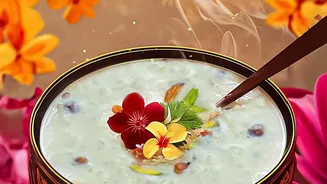
One of the simplest and most comforting ways to start your day is with ragi porridge, also known as ragi malt or kanji. This dish can be prepared in both sweet and savoury versions. For a sweet porridge, simply cook ragi flour with milk or water until it thickens, and sweeten it with jaggery or a touch of honey. A pinch of cardamom powder can add a fragrant warmth. For a savoury take, cook the flour with water and salt, and once it cools slightly, stir in buttermilk or curd for a refreshing and light meal. It's a quick, filling, and easily digestible breakfast for all ages.
South Indian Favourites: Dosa and Idli
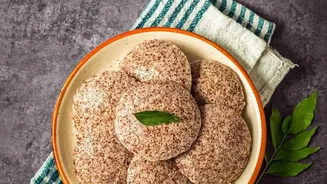
Ragi can be seamlessly integrated into classic South Indian breakfast dishes. Instant ragi dosa is a popular choice for busy mornings as it doesn't require fermentation. A batter can be quickly made by mixing ragi flour with curd, water, and seasonings like chopped onions and green chillies. For a more traditional approach, you can create a fermented batter using whole ragi grains or by adding ragi flour to your regular idli or dosa batter. Ragi idlis are soft, nutritious, and a great way to pack in extra nutrients. These dishes are not only healthy but also retain the beloved textures and flavours of the originals, often with an added nutty depth.
Hearty Meals: Ragi Roti and Upma
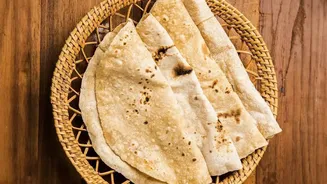
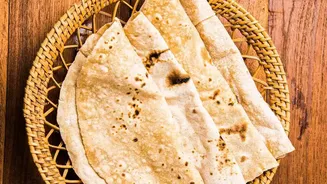
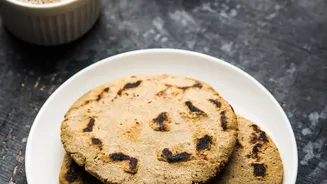
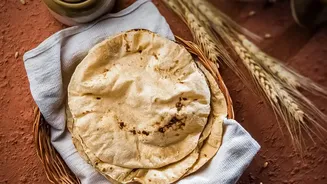
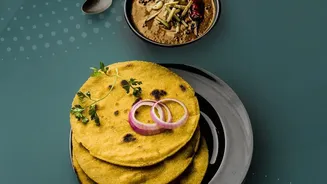
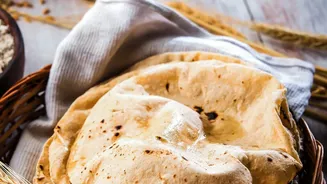
For lunch or dinner, ragi roti (or bhakri) is an excellent, filling option. These flatbreads are made by kneading ragi flour with hot water and a pinch of salt, then patting them out and cooking on a hot tawa. They pair wonderfully with dals, curries, and vegetable dishes. Another versatile meal idea is ragi upma. You can make this by roasting ragi vermicelli or ragi rava and cooking it with sautéed onions, vegetables, and spices. It’s a one-pot meal that is both flavourful and packed with the goodness of vegetables and millets.
Modern Twists: Pancakes and Smoothies
Ragi's versatility extends to modern recipes as well. You can easily make healthy ragi pancakes by combining ragi flour with a mashed banana, a little milk or curd, and a natural sweetener like jaggery. These pancakes are rich in fibre and provide sustained energy. Another quick option is to add a tablespoon or two of ragi flour into your daily smoothie. It blends well with fruits like bananas and mangoes, adding a nutritional boost of calcium and iron without significantly altering the taste. It’s a perfect way to add more nutrients to a post-workout drink or a quick breakfast on the go.