





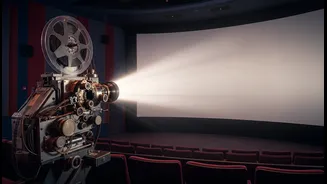


The ‘True’ Cinematic Experience
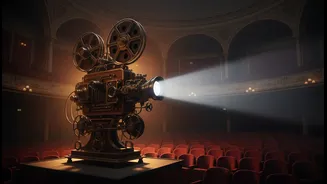
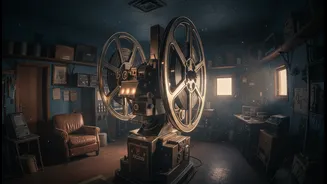
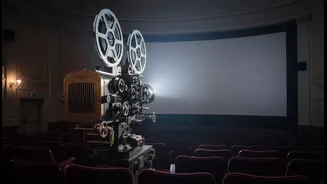
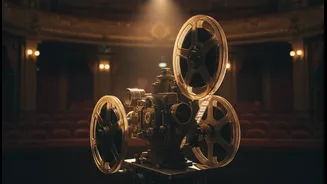
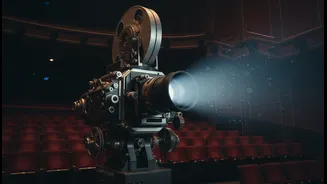
When you hear about Christopher Nolan’s “true experience,” it refers to one thing: IMAX 15/70mm film. This isn’t just a bigger screen; it’s a completely different medium. Standard film runs vertically through a projector. IMAX film runs horizontally,
using a piece of celluloid that is massive in comparison. Each frame is 15 perforations wide, creating an image area with an estimated resolution equivalent of up to 18K. The result is unparalleled sharpness, clarity, and depth. Nolan himself calls it “virtual reality without the goggles,” designed to fill your peripheral vision and immerse you completely. Sequences shot and projected in this format expand to a towering 1.43:1 aspect ratio, filling the entire screen from floor to ceiling and creating a level of immersion that digital formats struggle to replicate.
Nolan’s Analogue Obsession
Christopher Nolan is a staunch advocate for celluloid film in a digital world. For him, film is not just a stylistic choice but the gold standard of image capture. He believes the tangible, chemical process of film photography and projection offers a richness and texture that digital sensors cannot match. This philosophy drove him to pioneer the use of cumbersome, noisy IMAX cameras for narrative films, starting with sequences in 'The Dark Knight'. For his latest, 'The Odyssey,' he has achieved a long-held dream: shooting the entire movie on IMAX film. This required the development of new camera mufflers to allow for dialogue recording, a major technical hurdle. The film prints themselves are monumental, weighing nearly 275 kilograms and stretching over 17 kilometres long. It's a logistical nightmare, but for Nolan, it's the only way to preserve what he sees as the magic of cinema.
An Exclusive Global Club
The reason for the extreme scarcity—just 41 cinemas—is technical and economic. The giant platter systems and projectors needed to run 15/70mm film are expensive to buy, maintain, and operate. They require trained projectionists, a role that has become a rarity in the age of automated digital cinemas. Over the years, most theatres have decommissioned these analogue behemoths in favour of cost-effective digital systems. Even the 'IMAX' brand itself can be confusing, with the majority of branded screens being 'LieMAX'—smaller screens with digital projectors that don't offer the 1.43:1 aspect ratio or the resolution of 70mm film. The 41 capable venues are the last survivors of a bygone era, scattered across North America, Europe, and Australia. For the release of his previous film, 'Oppenheimer', only 30 theatres worldwide could project it in this format.
What It Means for Fans in India
For cinephiles in India, the news is disappointing: none of these 41 locations are in the country. While India once had true IMAX 70mm projectors, including the famous Prasad's in Hyderabad, they have since been converted to digital systems due to high operational costs and the rarity of film prints. This means Indian audiences cannot see 'The Odyssey' in its director-intended format on home soil. However, all is not lost. The film will still be shown in digital IMAX theatres across the country, many of which are equipped with advanced 4K laser projection systems. While these screenings won't have the unique texture of a film print or the full 1.43:1 aspect ratio, Nolan ensures that the digital transfers from the massive film negative are of the highest possible quality. The laser projection offers excellent brightness and contrast, providing the next best thing for viewers.
Visionary or Gatekeeper?
This situation sparks a fascinating debate. On one hand, Nolan's dedication to his craft is pushing the boundaries of cinematic presentation and preserving the art of analogue film. By creating an event that is rare and special, he fights against the modern tide of disposable, streamed content. On the other hand, it creates a two-tiered system for his audience. Critics argue it's tone-deaf to create a definitive version of a film that 99% of the world, including the vast majority of his fans, can never access. It turns a populist art form into an exclusive event for those with the geographical and financial privilege to attend one of the 41 chosen cinemas. While the artist’s intent is paramount, the question of accessibility in a global market becomes impossible to ignore. Is the 'true experience' worth it if almost no one can truly have it?