


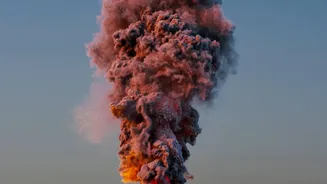
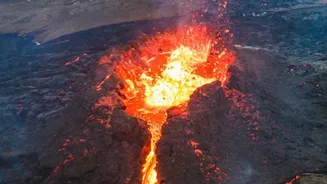
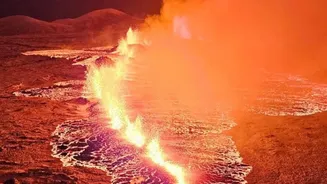
Mount Merapi, Indonesia (2010)
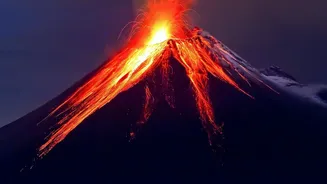
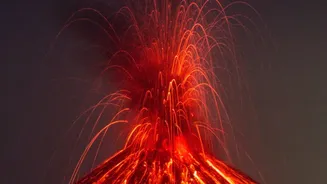
Mount Merapi, which translates to 'Mountain of Fire', is one of Indonesia's most active and dangerous volcanoes, and its 2010 eruption was its most powerful in over a century. Beginning in late October and continuing for over a month, a series of violent
explosions sent searing hot gas clouds, ash, and volcanic matter cascading down its slopes. These fast-moving pyroclastic flows devastated nearby villages. Despite evacuation orders for nearly 350,000 people, many were caught in the disaster. In total, more than 350 people lost their lives, with many victims succumbing to severe burns and respiratory failure. The event was a tragic reminder of the challenges of evacuating densely populated areas on the fertile, but perilous, slopes of active volcanoes.
Volcán de Fuego, Guatemala (2018)
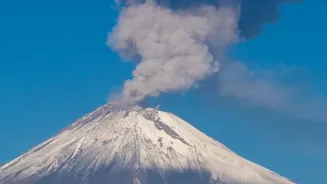
On June 3, 2018, Guatemala's 'Volcano of Fire' unleashed its deadliest eruption in more than a century with little warning. It sent superheated clouds of ash, rock, and gas, known as pyroclastic flows, racing down its sides at tremendous speeds, engulfing several villages below. Communities like San Miguel Los Lotes and El Rodeo were almost completely buried. The official death toll was confirmed to be around 200 people, but with hundreds more listed as missing, many local accounts suggest the actual number could be significantly higher. The disaster highlighted the extreme vulnerability of communities living in the shadow of one of Central America's most active volcanoes, where fertile soil for farming comes at a great risk.
Mount Nyiragongo, DR Congo (2002)
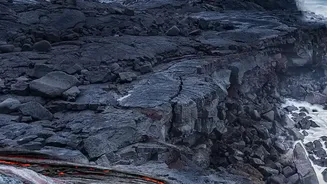
The eruption of Mount Nyiragongo in the Democratic Republic of Congo was devastating due to the unique nature of its lava. On January 17, 2002, fissures opened on the volcano's southern flank, releasing streams of unusually fluid and fast-moving lava. Flowing at speeds up to 60 km/h, the molten rock poured into the city of Goma, home to hundreds of thousands of people. While a mass evacuation was ordered, not everyone escaped. Official death tolls range between 147 and 250 people, with many deaths caused by carbon dioxide asphyxiation, burns, and the explosion of a petrol station engulfed by the lava. The eruption destroyed 13% of the city and left over 120,000 people homeless, showcasing the catastrophic potential of volcanoes located near major urban centers.
Mount Semeru, Indonesia (2021)
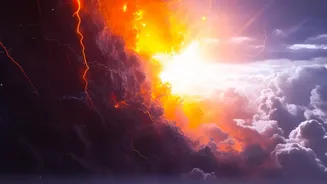
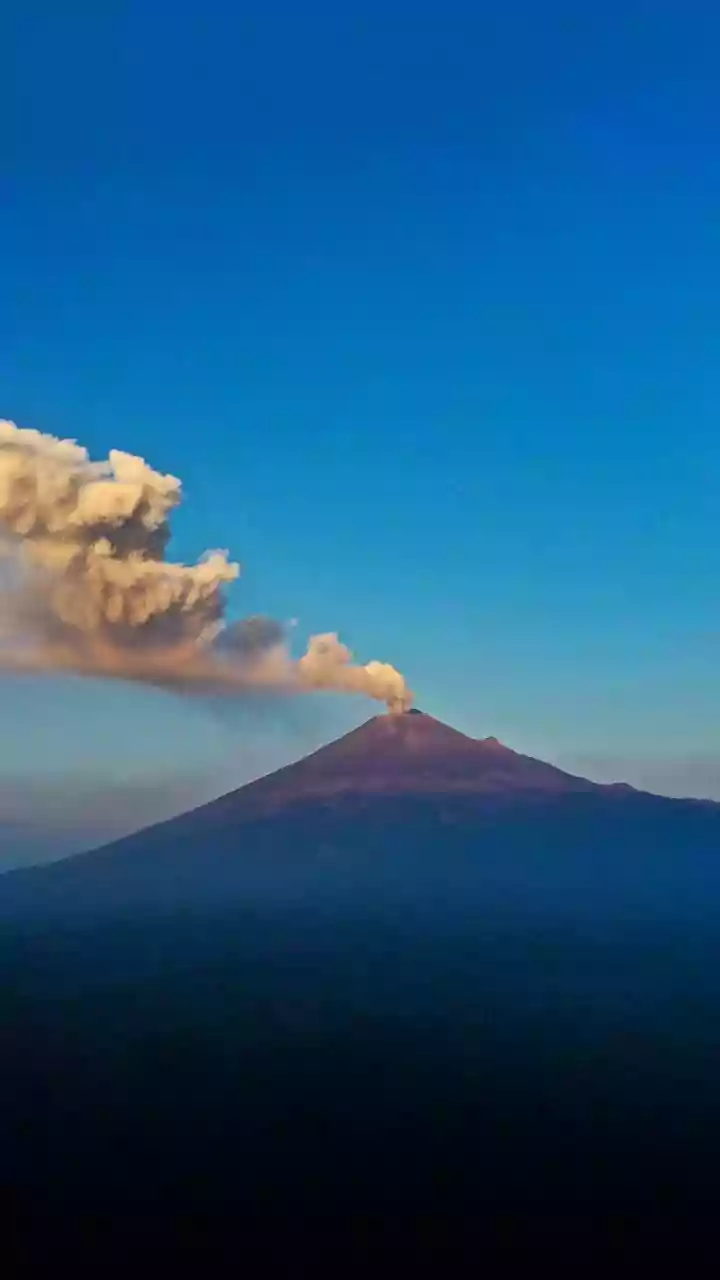
On December 4, 2021, Mount Semeru, the highest peak on the island of Java, erupted violently after heavy rains were believed to have caused its lava dome to collapse. This triggered a sudden and deadly combination of pyroclastic flows and volcanic mudflows, known as lahars. Villages in East Java's Lumajang regency were caught with little to no warning, and entire communities were buried under heavy layers of ash and debris. Rescue efforts were hampered by the thick mud and continued volcanic activity. The eruption ultimately claimed the lives of at least 69 people, with more than five remaining missing and over a hundred injured. The event underscored the unpredictable nature of dome-collapse eruptions and the immense danger they pose to nearby populations.