






From Crisis to a Bold Commitment
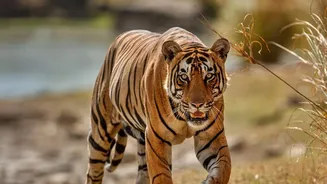
Just over a decade ago, the future of tigers in Nepal looked bleak. The population had dwindled to a historic low of an estimated 121 individuals due to rampant poaching, habitat loss, and increasing conflict with human settlements. In response, Nepal's
government, alongside international partners like WWF, made a bold commitment at the 2010 St. Petersburg Tiger Summit: to double its tiger numbers by 2022. This ambitious goal, known as TX2, set the stage for a comprehensive conservation strategy focused on the Terai Arc Landscape, a vast area of forests and grasslands stretching across Nepal and bordering India, which is a critical habitat for tigers, rhinos, and elephants.
Empowering People as Protectors
The cornerstone of Nepal's strategy was the radical idea of turning local people from bystanders into frontline guardians. Instead of solely relying on government rangers, the model empowered villages through Community-Based Anti-Poaching Units (CBAPUs). These units, often comprising local youth, were trained to patrol forests, gather intelligence on illegal activities, and raise conservation awareness among their neighbours. By giving communities a direct stake in protecting their natural heritage, the programme addressed root causes of poaching, such as unemployment and lack of awareness. This grassroots network proved incredibly effective, with hundreds of community units now operating across the country and contributing to multiple years of zero poaching for iconic species like rhinos and tigers.
Rebuilding Habitats and Managing Conflict
A thriving tiger population needs two things: space to roam and a peaceful coexistence with people. Nepal's approach tackled both. Communities were actively involved in restoring degraded forests, transforming small patches of land into thriving wildlife corridors that connect protected areas. For instance, the Khata Forest Conservation Area grew from 115 hectares to over 3,800, creating vital passage for tigers. Simultaneously, as tiger numbers grew, so did the potential for conflict. To manage this, the programme introduced practical solutions co-designed with communities. These included building predator-proof livestock enclosures, establishing community-managed relief funds to compensate for livestock losses, and creating alternative income sources through nature-based tourism and homestays. These measures made coexistence not just possible, but also economically beneficial for local families.
A Blueprint for India and the World
Nepal's success offers a powerful blueprint for conservation efforts globally, particularly for India, which shares the Terai Arc Landscape and is home to the world's largest tiger population. The transboundary nature of this ecosystem means that cooperation between the two nations is essential for the long-term survival of the species. Tigers regularly cross the border, making coordinated anti-poaching patrols, habitat management, and community engagement on both sides crucial. The lesson from Nepal is clear: top-down conservation mandates have limits. True, sustainable success comes from the ground up, by investing in and trusting the communities who live alongside wildlife every day. They are not an obstacle to conservation, but its most essential partners.