









The Busy Cook’s Secret Weapon
The primary benefit of freezing batch-cooked pulses is twofold: it drastically cuts down on food waste and saves an incredible amount of time. Instead of letting that extra pot of dal go to waste in the fridge, freezing it preserves it for a future meal.
This practice is not only good for your wallet but also for the environment. Furthermore, it transforms one of the most time-consuming parts of Indian cooking—preparing beans and lentils from scratch—into a quick, convenient process. By cooking a large batch of chickpeas, rajma, or dal on a Sunday, you stock your freezer with ready-to-use ingredients for the entire week, eliminating the need for lengthy soaking and cooking on busy weeknights.
Which Pulses Freeze Best?
Most pulses are excellent candidates for freezing. Heartier beans like chickpeas (chana), kidney beans (rajma), and black-eyed peas hold their shape and texture exceptionally well. Dals like toor, moong, and masoor also freeze beautifully, especially when cooked to a thick, soupy consistency. Some chefs note that dishes like dal makhani can even develop a deeper flavour after being frozen. Firmer pulses generally fare better than those cooked to a very soft or mushy state. If you plan to use lentils in a salad, they may become softer after thawing, but for curries, soups, and stews, the texture is perfect.
The Step-by-Step Freezing Guide
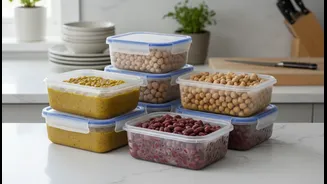
Proper technique is crucial for getting the best results. First, cook your pulses as you normally would, but perhaps slightly undercook them if they are destined for a dish where they will be cooked further. The most critical step is to cool the cooked pulses completely before freezing. Placing warm food in the freezer can raise the internal temperature, affecting other frozen items and potentially creating a food safety issue. Once cool, portion the pulses into freezer-safe containers or zip-top bags. Portioning is key; it allows you to thaw only what you need, preventing re-freezing and further waste. If using bags, lay them flat to freeze. This saves space and helps them thaw faster. Always label and date your containers so you know what you have and when to use it by. Cooked pulses can be stored in the freezer for three to six months.
Thawing and Reheating for Perfect Results
There are several ways to bring your frozen pulses back to life. The best method for preserving texture is to thaw them overnight in the refrigerator. If you're short on time, you can submerge a sealed bag in a bowl of cold water; it should thaw in about 20-30 minutes. For dals, soups, and curries like chana masala, you can often add the frozen block directly to a pan and gently reheat it, adding a splash of water if needed. The microwave is another quick option, but use a medium power setting and stir intermittently to ensure even heating. Once thawed, use the pulses as you would freshly cooked or canned versions.
Instant Meals from Your Freezer Stash
Having a freezer stocked with cooked pulses opens up a world of quick and healthy meal possibilities. A portion of plain cooked dal can be transformed into a fresh dal tadka in minutes with a simple tempering of ghee, cumin, and chillies. Frozen chickpeas are a ready-made base for a quick chana masala or can be tossed into salads and pulaos. Frozen rajma just needs a flavourful onion-tomato gravy to become a satisfying weeknight curry. You are no longer just freezing leftovers; you are creating meal components that give you a head start on healthy, home-cooked food any day of the week.