
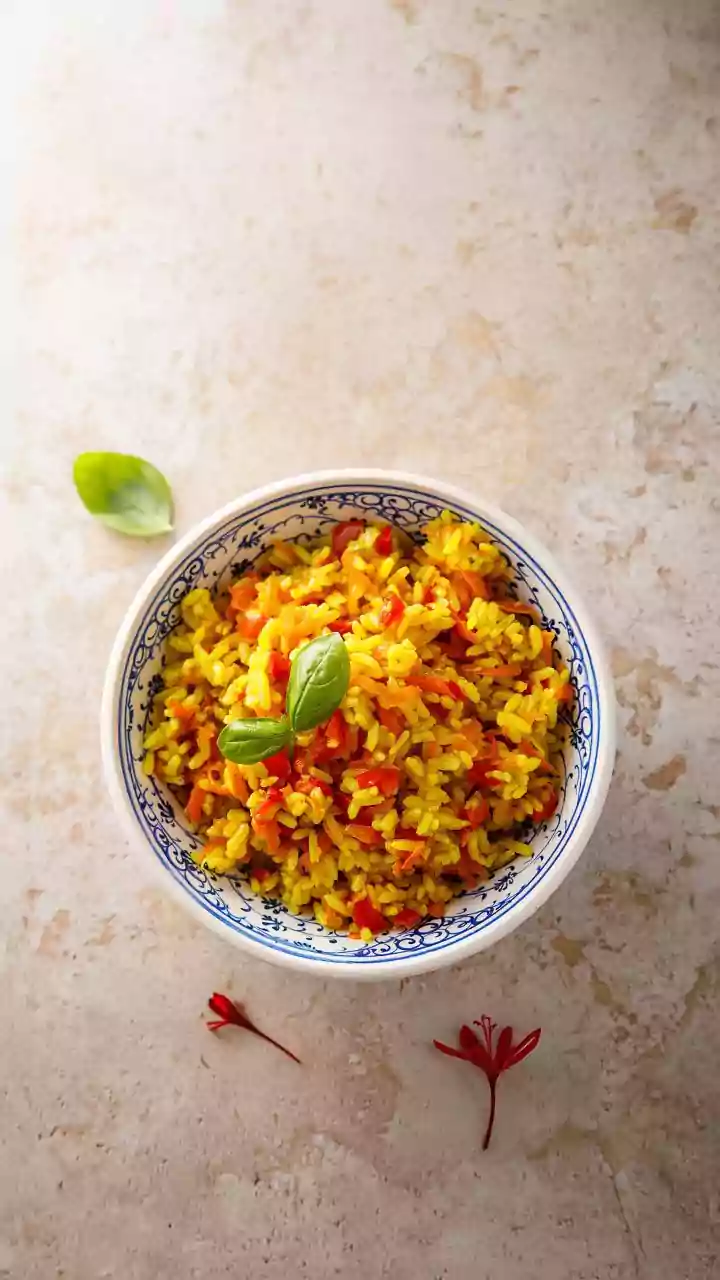
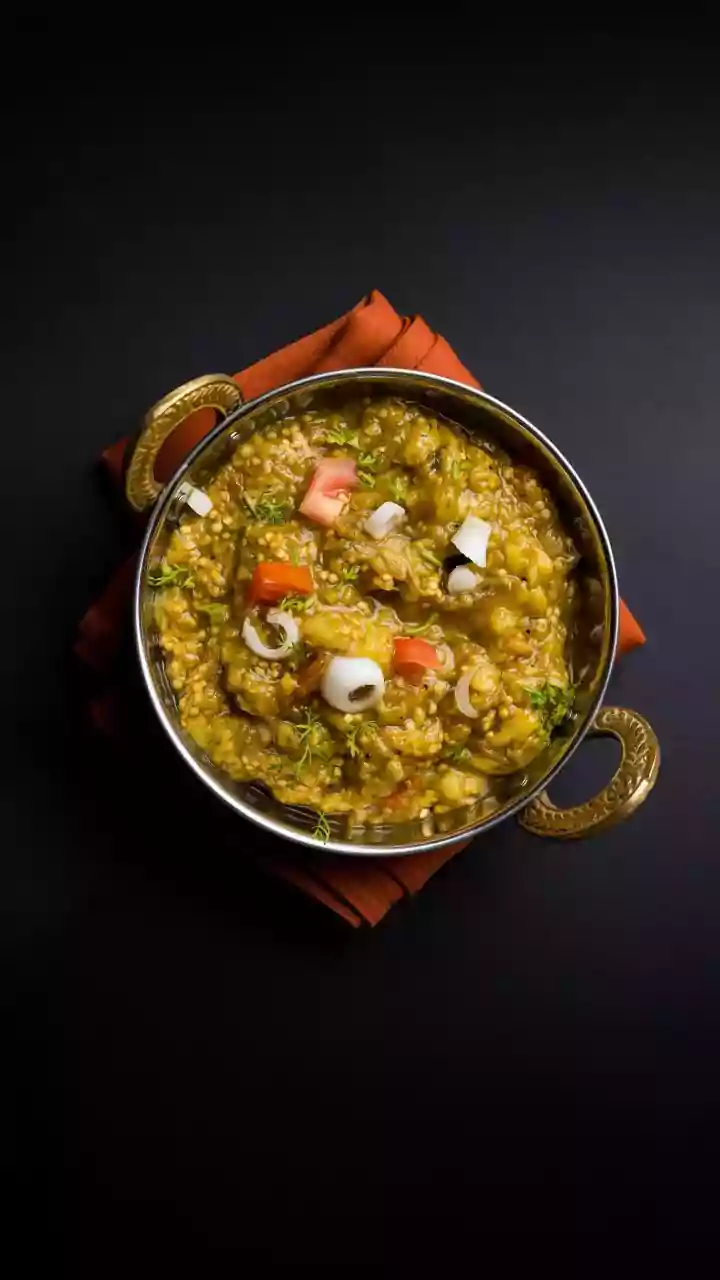

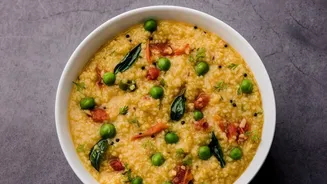
The Maharashtrian Classic: Kanda Poha
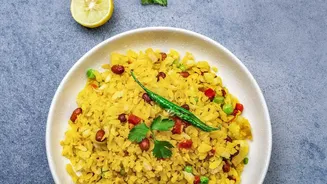
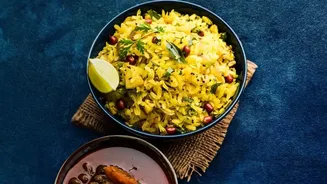
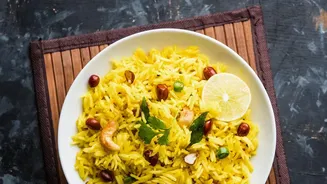
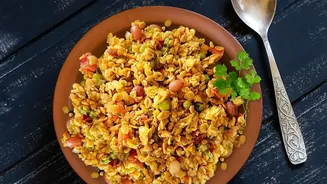
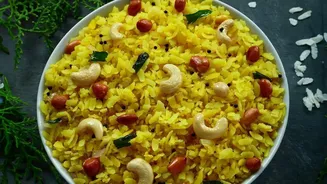
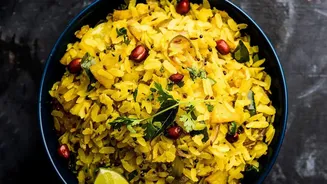
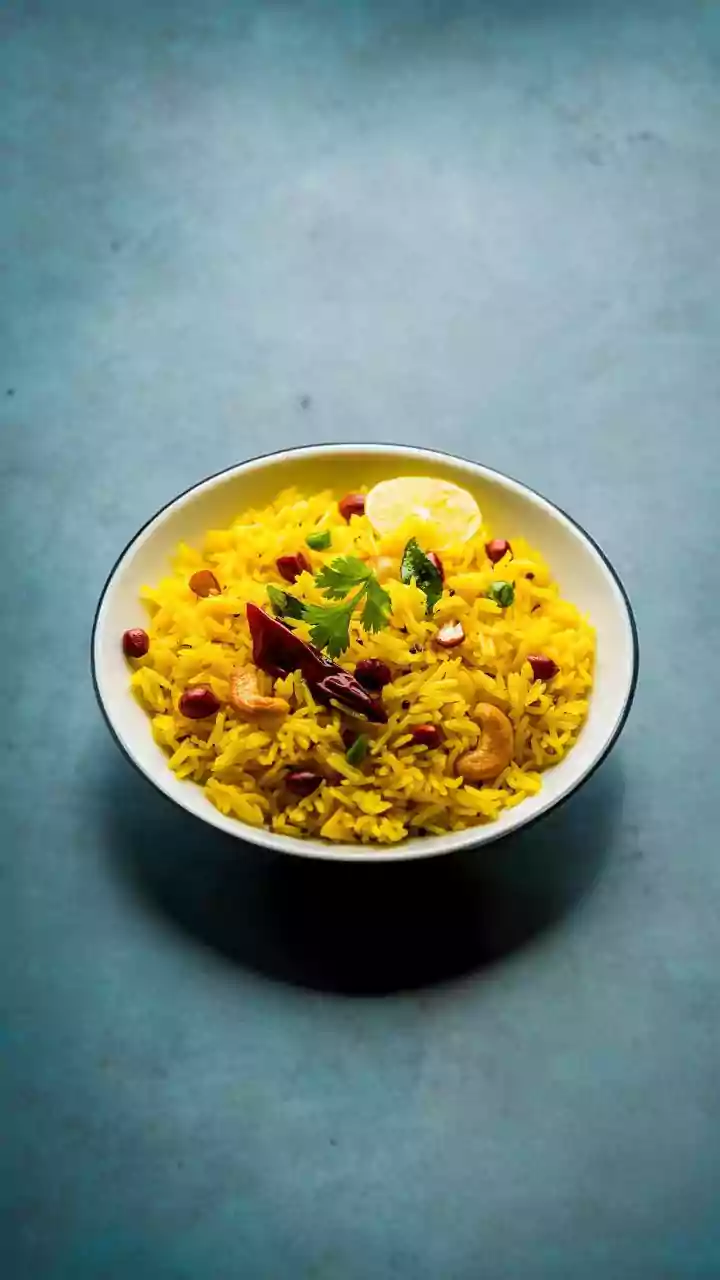
Arguably the most recognised version, Kanda Poha is a comforting and savoury preparation hailing from Maharashtra. The name itself gives away its hero ingredient: 'kanda', or onion. This dish involves sautéing finely chopped onions with a classic tempering
of mustard seeds, curry leaves, and green chillies. Turmeric lends it a signature yellow hue, while roasted peanuts add a delightful crunch. The softened poha is tossed into this flavourful base and gently cooked. Finished with a generous squeeze of lemon juice and a garnish of fresh coriander, Kanda Poha is a simple, soulful dish that balances savoury and tangy notes perfectly. It’s a go-to breakfast in countless households, celebrated for its simplicity and wholesome taste.
The Street Food Star: Indori Poha
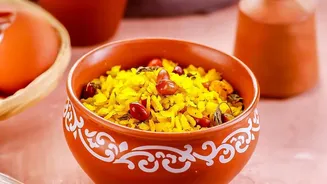
Journey to the heart of Madhya Pradesh, and you'll discover Indori Poha, a celebrated street food with a unique identity. What sets this version apart is its preparation and a signature blend of sweet, spicy, and tangy flavours. The poha is often steamed until soft and fluffy, which gives it a distinct texture compared to its fried counterparts. It's then tempered with mustard seeds and sometimes fennel seeds (saunf) for a hint of aromatic sweetness. The real magic, however, lies in the garnish. Indori Poha is generously topped with crispy sev (fried gram flour noodles), raw chopped onions, pomegranate seeds, and a special masala blend called Jeeravan, which provides a tangy, spicy kick. This layered approach creates a textural and flavourful experience that is truly iconic.
The No-Cook Wonder: Dadpe Pohe
Another gem from Maharashtra, particularly the Konkan region, is Dadpe Pohe. This variation is a testament to ingenious cooking, as it requires no flame at all, aside from a final tempering. The recipe uses thin poha, which is mixed with finely chopped raw onions, fresh grated coconut, salt, and a little sugar. The moisture released from the onions and coconut is what softens the flattened rice, a process known as 'dadapne' (to press down). After this mixture rests, a hot tempering of oil, mustard seeds, green chillies, and sometimes peanuts is poured over it, infusing the dish with aroma and flavour. The result is a quick, refreshing, and light snack that is perfect for a hurried morning or a light evening meal.
The Bengali Counterpart: Chirer Pulao
In West Bengal, flattened rice is known as 'chire', and it takes the form of Chirer Pulao, a dish that leans towards a mildly sweet and savoury profile. Unlike the simpler Kanda Poha, this version often resembles a mini pilaf, loaded with a variety of vegetables like carrots, peas, french beans, and cauliflower florets. It’s not uncommon to find potatoes and raisins in the mix, adding substance and pops of sweetness. The tempering might include whole spices like cinnamon and cardamom, and sometimes nigella seeds (kalonji). The addition of sugar is key to its characteristic Bengali taste, balancing the spices and vegetables. It's a richer, more elaborate take on poha, often enjoyed as a hearty breakfast or tiffin snack.
The Coastal Delight: Goan Sweet Poha
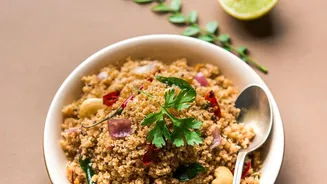
Goa offers a completely different, sweet rendition known as Godache Fov, which translates to 'sweet poha'. This dish is especially popular during festivals like Diwali. It's a simple, uncooked preparation that combines soaked poha (often the nutritious red rice variety) with two key coastal ingredients: freshly grated coconut and jaggery. The jaggery melts slightly, mingling with the coconut and coating the flattened rice to create a deliciously sweet and chewy treat. Sometimes, a pinch of cardamom powder is added for fragrance. This recipe highlights a different side of poha, transforming it from a savoury staple into a delightful sweet dish, perfect for breakfast or as a light dessert.