



The Journey to a Mountain Lake
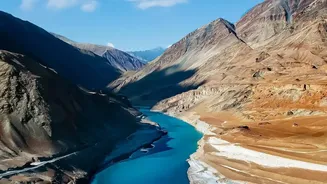
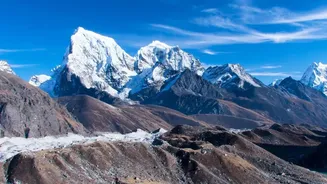
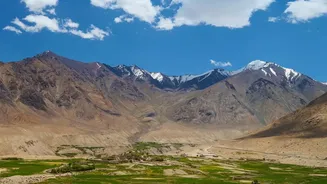
Reaching Tso Moriri, which translates to "Mountain Lake," is an adventure in itself. Located in the remote Rupshu Valley, roughly 220-250 kilometres southeast of Leh, the journey takes you through rugged terrain and over high mountain passes. The drive
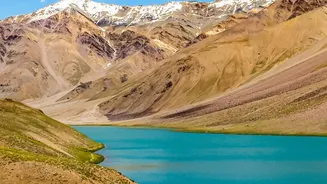
ascends to breathtaking altitudes, with the landscape shifting from stark brown mountains to expansive plateaus. As you navigate the bumpy roads past checkpoints like Mahe, a sense of isolation and anticipation builds. The final approach reveals the smaller, yet stunningly turquoise, Kyagar Tso, a prelude to the grandeur that awaits. This arduous travel is a filter, ensuring that those who arrive do so with a deep appreciation for the pristine wilderness they are about to witness.
A Canvas of Shifting Colours
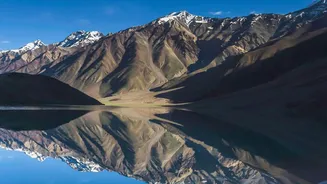
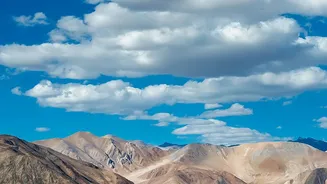
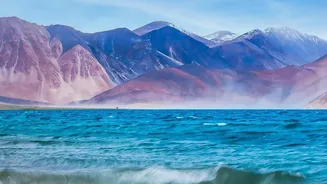
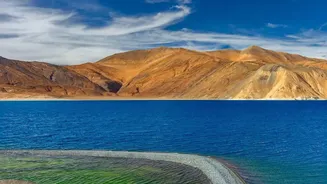
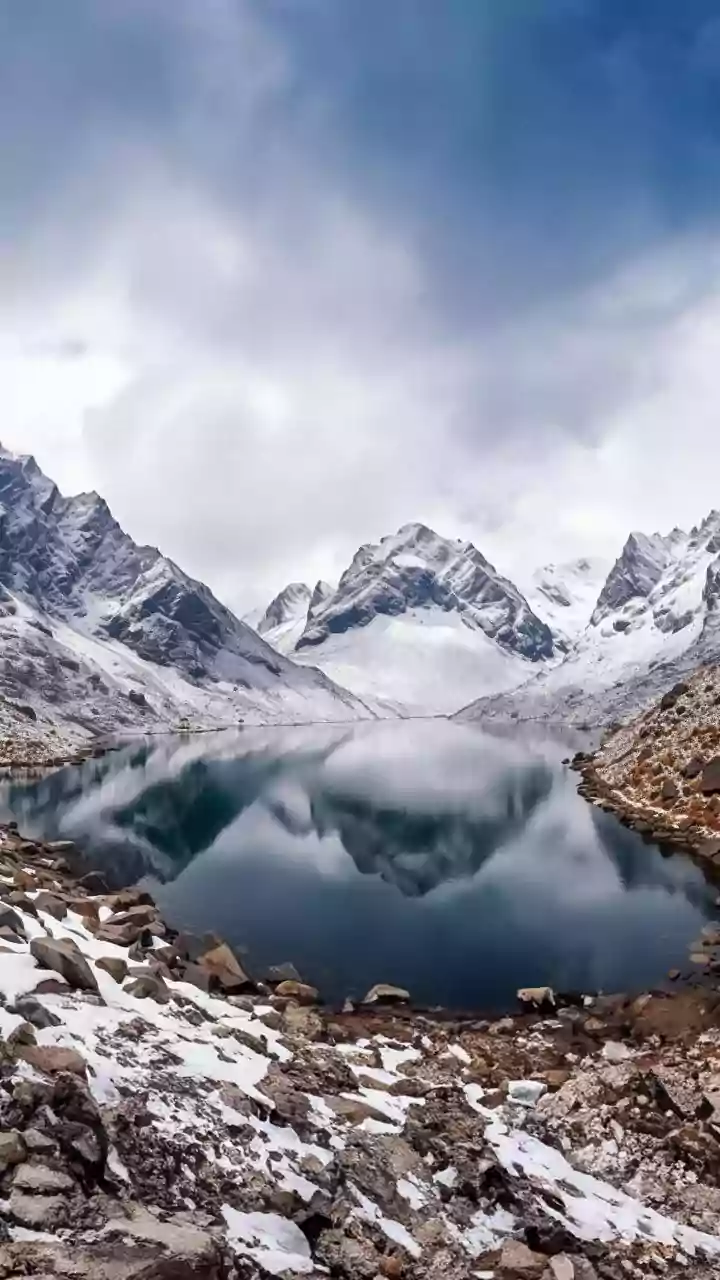
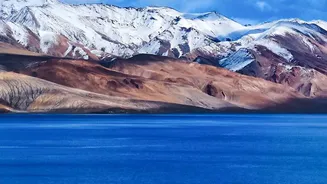
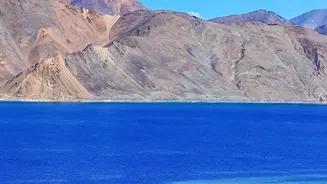
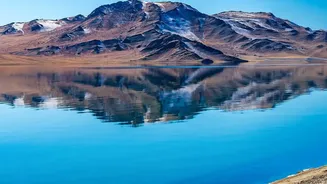
First-time visitors are often left speechless by the sheer scale and beauty of Tso Moriri. Situated at an altitude of over 4,500 metres (around 14,836 feet), it is the largest high-altitude lake entirely within India. Stretching nearly 29 kilometres in length, its brackish waters constantly change colour, shifting from deep sapphire to brilliant turquoise depending on the time of day and the angle of the sun. Enclosed by snow-dusted peaks that rise above 6,000 metres, the lake's placid surface creates a near-perfect reflection of the vast, open sky. This ever-changing palette of blues, set against the barren, powerful landscape, gives the lake its distinctly dreamlike and enchanting atmosphere.
A Sanctuary for High-Altitude Wildlife
Tso Moriri is more than just a visual spectacle; it is a vital ecosystem. Recognised as a Tso Moriri Wetland Conservation Reserve and the highest Ramsar site in the world, its shores and marshes are a sanctuary for a variety of rare species. The lake is a crucial breeding ground for migratory birds, including the endangered black-necked crane and the bar-headed goose. Birdwatchers can spend hours spotting these and other species like the Brahminy duck. Beyond the birdlife, the surrounding Changthang Wildlife Sanctuary is home to kiang (Tibetan wild ass), marmots, and occasionally, elusive Tibetan wolves and even snow leopards on the higher slopes.
The Human Touch: Korzok Village and Monastery
Despite its remoteness, Tso Moriri is not devoid of human presence. On its northwestern bank lies Korzok, one of the highest year-round settlements in the world. This village is home to the Changpa people, semi-nomadic pastoralists who have herded yaks and pashmina goats in this region for centuries. Overlooking the lake is the historic Korzok Monastery, a 300-year-old gompa belonging to the Drukpa lineage of Tibetan Buddhism. Housing about 70 monks, the monastery is a spiritual anchor for the local community and offers panoramic views of the lake. Visiting the monastery and interacting with the warm, hospitable locals adds a rich cultural dimension to the natural splendour.
Planning Your High-Altitude Escape
A trip to Tso Moriri requires careful planning. Due to its high altitude, proper acclimatisation in Leh for at least a couple of days is crucial to avoid Acute Mountain Sickness (AMS). All visitors, both Indian and foreign nationals, must obtain an Inner Line Permit before making the journey, which can now be done online. The best time to visit is during the summer months, from May to September, when the weather is pleasant and the lake is a stunning spectacle of blue. Accommodation is basic, consisting mainly of homestays and seasonal tented camps in Korzok, as camping directly on the protected lake shore is prohibited. These simple stays, however, offer an authentic experience of Ladakhi life under a canopy of brilliant stars, thanks to the minimal light pollution.