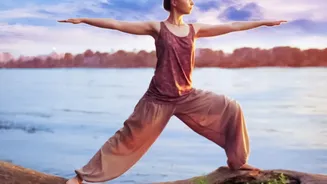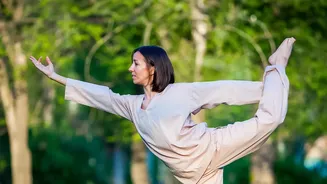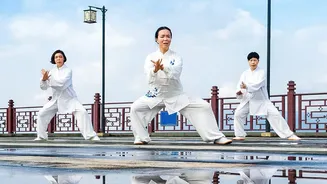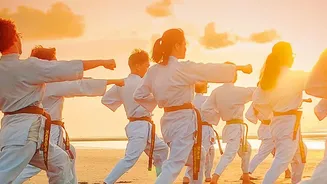

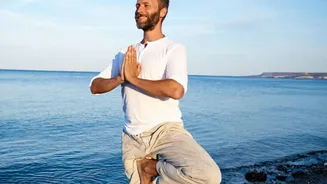

An Ancient Art on a New Stage
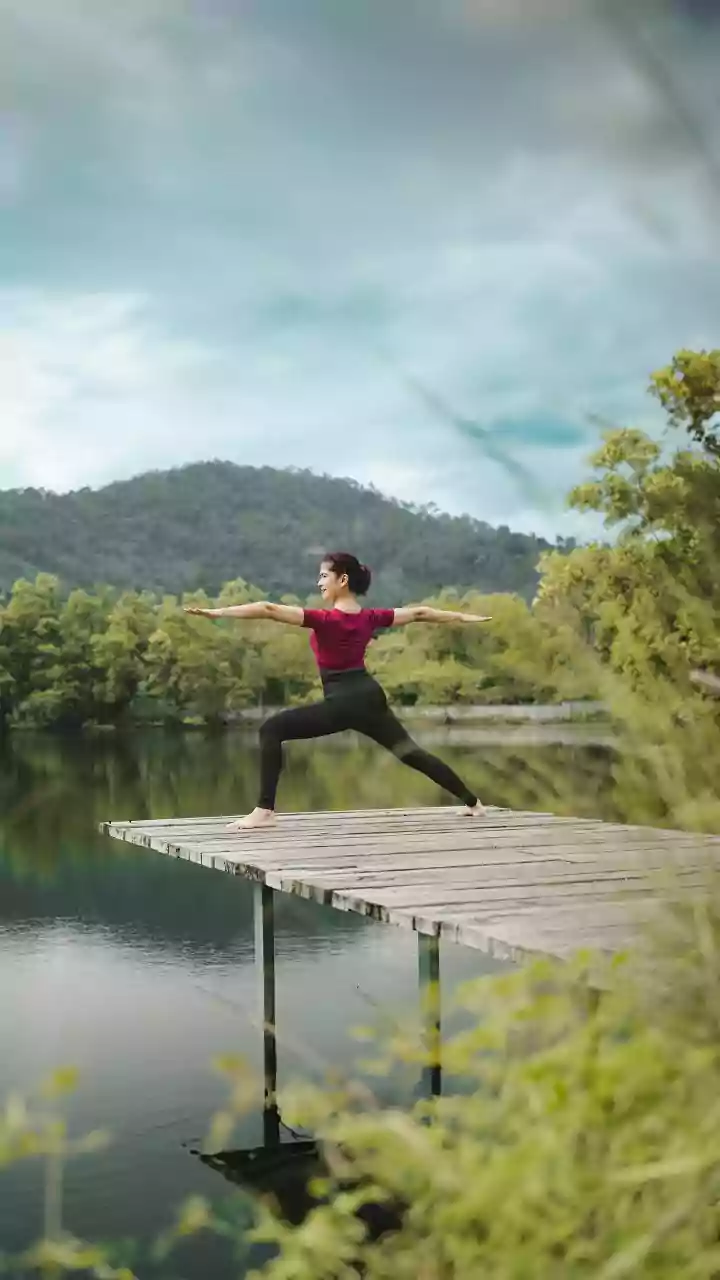
Tai Chi is a centuries-old Chinese martial art often described as 'meditation in motion'. It combines gentle, deliberate movements with deep breathing and mental focus to improve health and well-being. Traditionally practiced in parks or studios, a growing
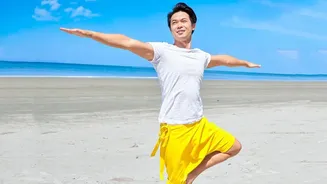
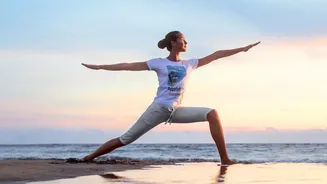
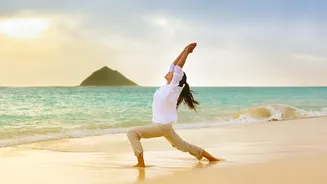
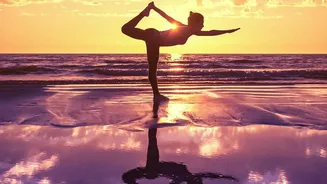
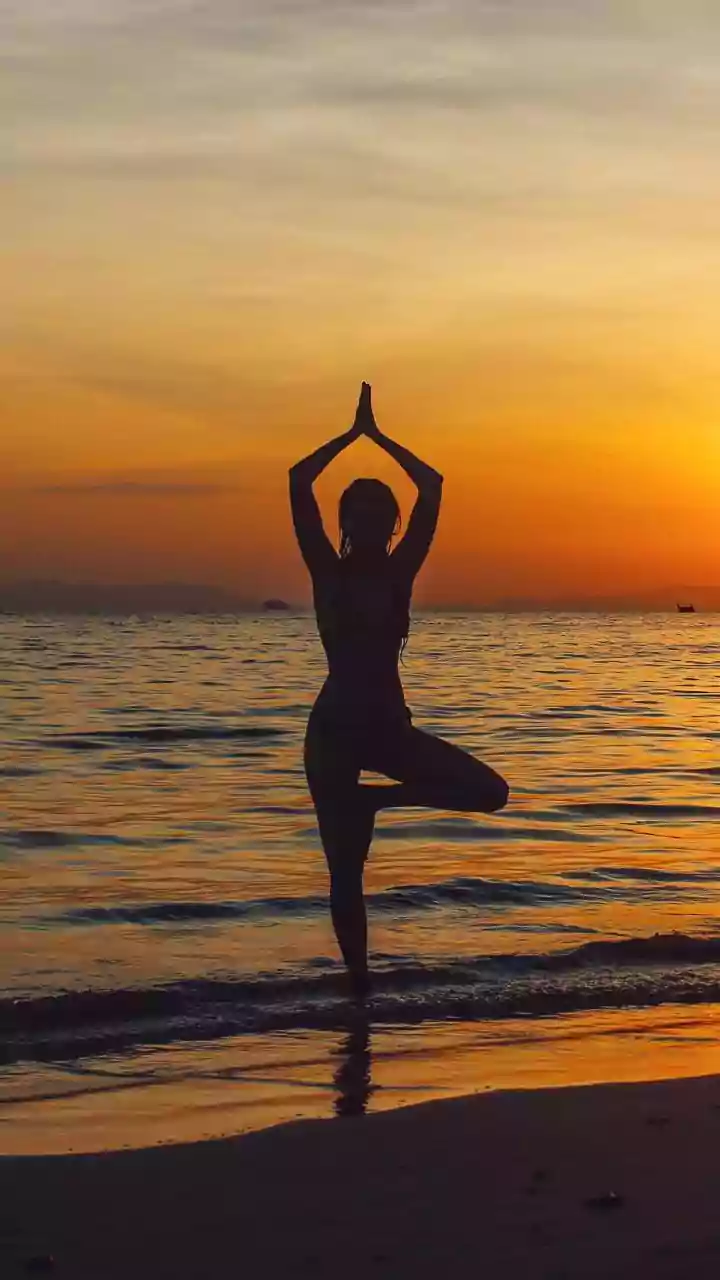
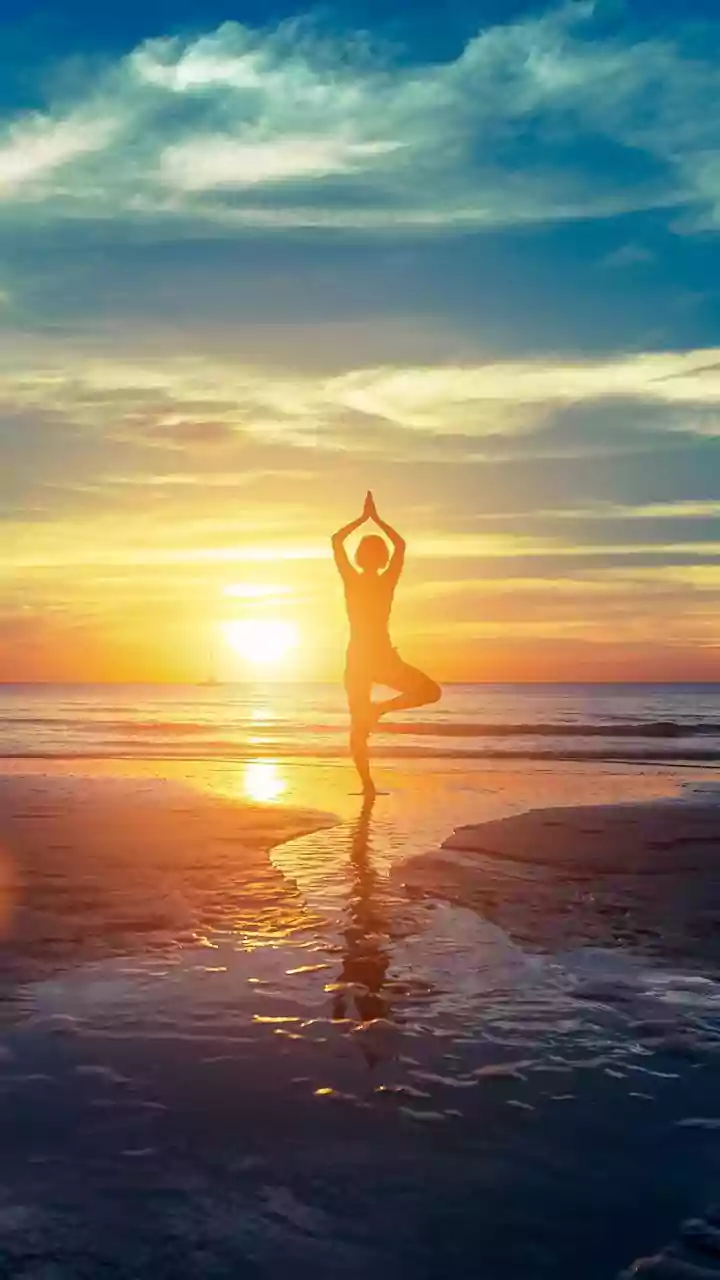
number of enthusiasts are taking their practice to the shore. Performing these graceful forms on sand introduces a dynamic and challenging element, transforming the familiar routine into a novel experience that engages the body and mind in different ways. The natural setting enhances the core principles of the practice, connecting practitioners to their environment.
The Challenge of Instability
The most significant change when moving from a solid floor to sand is the unstable surface. This instability is not a drawback; it's the main feature. Your body has to work much harder to maintain balance through each slow, controlled shift of weight. This constantly engages the small, stabilizing muscles in your feet, ankles, legs, and core. The practice improves proprioception—your body's awareness of its position in space—which is crucial for good balance and preventing falls. While Tai Chi is already excellent for developing balance, the sandy surface amplifies this benefit, forcing your neuromuscular system to adapt and respond with greater precision.
A Deeper, Low-Impact Workout
Exercising on sand requires more effort and energy, which can lead to burning more calories compared to performing the same movements on a firm surface. Despite the increased effort, sand is a forgiving medium. Its soft nature absorbs impact, which reduces stress on your joints, particularly the ankles, knees, and hips. This makes it an ideal low-impact exercise for people who want a thorough workout without the jarring effects of harder surfaces. The natural resistance of the sand means your leg muscles—calves, quadriceps, and glutes—get a more intensive workout as they push and stabilize with every step.
Enhanced Mindfulness and Connection to Nature
Beyond the physical advantages, practicing Tai Chi on a beach offers profound mental health benefits. The setting itself is a powerful tool for stress reduction. The rhythmic sound of the waves can serve as a natural guide for your breathing, helping you sink into a meditative state. The feeling of the sand under your feet, the fresh ocean air, and the vast, open sky all contribute to a sense of 'grounding' or connecting with the earth. This combination of mindful movement and a natural environment can deepen feelings of calm, reduce anxiety, and enhance mental clarity far more than an indoor session might.
Tips for Getting Started
If you're inspired to try Tai Chi on the sand, it's wise to start slowly. Begin by walking on the firmer, wet sand near the water's edge before moving to the softer, looser sand. This allows your muscles and joints to adapt gradually. While practicing barefoot can enhance the grounding experience, be mindful of sharp shells or debris. If you have pre-existing joint pain, especially in the knees or ankles, or balance issues, it's best to proceed with caution. The unpredictable surface could potentially strain weak joints. Starting with shorter sessions and listening to your body is key to a safe and rewarding practice.